



Best Biomedical Engineering Schools
Choosing among the best biomedical engineering schools is one of the most important decisions for students interested in combining science, technology, and healthcare. Biomedical engineering is one of the fastest-growing STEM majors, offering opportunities to innovate in medicine while building a strong technical foundation.
In this guide, we will break down everything you need to know about the best biomedical engineering schools, including:
- What biomedical engineering is and why it matters
- What students learn in a biomedical engineering major program
- Key biomedical engineering requirements for admission
- Differences between bioengineering vs. biomedical engineering
- A list of the top biomedical engineering schools in the U.S.
- Career paths and whether a biomedical degree is worth it
If you are exploring the best colleges for biomedical engineering, this guide will help you make a confident, informed decision.
What is biomedical engineering?
Biomedical engineering is a field that applies engineering principles like math, physics, and design to solve problems in healthcare and medicine. It sits at the intersection of technology and biology, making it one of today’s most innovative types of engineering. The field began gaining traction in the mid-20th century as medical technology advanced. Since then, biomedical engineering has grown rapidly alongside breakthroughs in imaging, prosthetics, and biotechnology.
The mission of biomedical engineers is to improve patient outcomes by developing life-saving tools and technologies. This includes designing devices, improving diagnostics, and creating new treatments. From hospital equipment like MRI machines to everyday devices like pacemakers and prosthetics, biomedical engineering is everywhere. And more than that, it’s a rapidly expanding and diversifying field.
Because of its real-world impact, biomedical engineering is one of the most exciting science careers available today.
What do biomedical engineers study?
Beyond core coursework, students at the best biomedical engineering schools gain a deeper understanding of how engineering principles translate into real-world healthcare solutions. The biomedical engineering major is designed to build both theoretical knowledge and practical skills that apply directly to medical innovation.
Students pursuing a biomedical engineering major take a highly interdisciplinary curriculum that blends engineering with life sciences. Most of the best biomedical engineering schools require coursework across several core areas. Biology, chemistry, physics, calculus, basic engineering, and programming are required for pretty much every biomedical engineering major. This wide-ranging course load makes a biomedical degree one of the most rigorous and well-rounded STEM majors available.
Within the field, there are major hybrid sub disciplines that students can specialize in. Each specialization within the best biomedical engineering schools offers unique career pathways.
Specializations in Biomedical Engineering

Biomechanics
Biomechanics focuses on how mechanical forces interact with the human body. Students analyze movement, stress, and strain on bones, joints, and tissues, often contributing to orthopedic device development or injury prevention research.
Biomaterials
Biomaterials explores the development of materials that interact safely with the human body. This includes implants, artificial joints, and drug delivery systems, requiring a deep understanding of both chemistry and material science.
Tissue Engineering
Tissue engineering combines biology and engineering to grow cells, tissues, and even organs in laboratory environments. This area is especially important for regenerative medicine and transplant innovation.
Medical Imaging
Medical imaging involves developing technologies like MRI, CT scans, and ultrasound systems. Students learn signal processing, imaging physics, and software development to improve diagnostic tools.
Neural Engineering
Neural engineering studies the brain and nervous system, focusing on devices like brain-computer interfaces and neuroprosthetics. This is one of the fastest-growing areas within science careers tied to healthcare.
Bioinstrumentation
Bioinstrumentation focuses on designing devices that measure biological signals, such as heart rate monitors, blood analyzers, and wearable health technology.
At top biomedical engineering schools, students also complete advanced lab work, collaborate on interdisciplinary teams, and participate in capstone design projects. These projects often involve building prototypes for real medical challenges — this is one of the most hands-on STEM majors available.
Because of its overlap with biology and chemistry, the biomedical engineering major is often considered adjacent to pre-med. For this reason, strong science skills are essential for success.
Biomedical Engineering Requirements
To get into the best biomedical engineering schools, students need a strong academic foundation, especially in science and math. If you’re a high school student considering this academic path, you can start preparing before you graduate. Of course, classes like biology and calculus are useful; however, to get into the best biomedical engineering schools, you must stand out. Take AP courses where possible. Aim for good grades in AP courses and 5s on exams in courses such as AP Biology, AP Chemistry, and AP Statistics.
Most biomedical engineering programs require similar prerequisites to declare a major. Courses in calculus, differential equations, chemistry, physics, biology, and programming are almost certain in your first two years. Some universities may allow you to skip entry-level courses if you have relevant AP, IB, or dual enrollment coursework. All the more reason to take advanced classes in high school!
Beyond academics, extracurriculars play a big role in meeting biomedical engineering requirements. Strong applicants to the best biomedical engineering schools often have relevant experience outside the classroom. This can be professional or semi-professional work like research, volunteering, job shadowing, or internships. However, deep involvement in a club or community group, especially if you take a leadership role, is also valuable.
Meeting these biomedical engineering requirements helps position you competitively for the best colleges for biomedical engineering.
In addition to academic preparation, students applying to best biomedical engineering schools should demonstrate a clear interest in both engineering and healthcare. Admissions teams at the best biomedical engineering schools look for applicants who can connect their experiences to real-world medical challenges. This might include volunteering in hospitals, conducting independent research, or participating in engineering competitions.
Bioengineering vs. Biomedical Engineering

The terms bioengineering vs. biomedical engineering are often used interchangeably, but there are some differences.
Bioengineering tends to have a broader scope. It may include environmental systems, agricultural biotechnology, and synthetic biology. Biomedical engineering, on the other hand, focuses more directly on human health and medical applications. For example, bioengineering might include designing sustainable biological systems. On the other hand, biomedical engineering focuses much more closely on medical devices and clinical tools.
Different schools use different terminology. Some universities label their programs as “bioengineering,” while others use “biomedical engineering,” even if they teach the same concepts. For instance, MIT and UC Berkeley use “bioengineering,” while Johns Hopkins and Duke use “biomedical engineering.” However, the bioengineering vs. biomedical engineering curriculum quality at top biomedical engineering schools is often very similar.
When evaluating programs, don’t focus too much on bioengineering vs. biomedical engineering. Instead, look at coursework, research opportunities, and career outcomes.
What universities are known for biomedical engineering?
The best biomedical engineering schools share several key characteristics. These programs stand out due to their research output, faculty expertise, and strong industry connections.
The best biomedical engineering schools typically offer access to cutting-edge research labs and other amenities that complement the classroom experience. They also have strong local and industry partnerships through which students can intern at hospitals or medical device companies. These lend themselves to the strong graduate outcomes demonstrated by the top universities in the field.
It is also important to note that rankings differ between undergraduate and graduate programs. Some schools excel at research but may not offer the same undergraduate experience. When researching the best colleges for biomedical engineering, always evaluate both undergraduate resources and long-term opportunities.
12 Best Biomedical Engineering Schools
Below is a list of US News’ 12 Best Biomedical Engineering Schools.
Top 12 Biomedical Engineering Schools

1. Johns Hopkins University
Consistently ranked among the best biomedical engineering schools, this program is deeply integrated with a world-renowned medical system. Students at Johns Hopkins benefit from direct access to clinical environments, allowing them to work on real patient-centered challenges. The program emphasizes research, innovation, and translational medicine, making it one of the strongest biomedical engineering colleges for students pursuing medicine or research. They even offer a summer pre-college program for students interested in biomedical engineering and related fields.
2. Massachusetts Institute of Technology
Known for pushing the boundaries of innovation, this program stands out among the best biomedical engineering schools. Typical of MIT, its program emphasizes not only cutting-edge research but also entrepreneurship. Students collaborate across disciplines and often work on projects that lead to startups or patents. The curriculum is rigorous, preparing graduates for leadership roles in both academia and industry. Thanks to the school’s reputation, it has no shortage of industry partners and well-positioned alumni.


3. Georgia Institute of Technology
A leader among best colleges for biomedical engineering, Georgia Tech offers strong partnerships with healthcare systems and industry. Students gain hands-on experience through co-ops, internships, and research labs. Its practical approach makes it ideal for students who want to enter the workforce immediately after earning a biomedical degree.
4. Stanford University
Located in the heart of Silicon Valley, Stanford blends engineering excellence with innovation in healthcare technology. Students have access to startup ecosystems, venture capital, and state-of-the-art labs. It remains one of the most competitive biomedical engineering colleges for students interested in biotech entrepreneurship.


5. Duke University
Highly respected among the best biomedical engineering schools, Duke is known for its interdisciplinary approach. Students can customize their biomedical engineering major with concentrations that align with specific career goals. Duke also offers strong research opportunities and global study programs.
6. University of California, San Diego
This program is particularly strong in bioengineering research, especially in tissue engineering and medical imaging. Students at UCSD benefit from proximity to biotech companies and research institutes, making it one of the best biomedical engineering schools for innovation-focused students.


7. University of Pennsylvania
With strong ties to healthcare systems, UPenn’s program provides students with clinical exposure and research opportunities early on. It stands out among biomedical engineering colleges for its emphasis on combining engineering with real-world medical applications.
8. University of Michigan–Ann Arbor
A large and well-funded program, UMich offers diverse research opportunities across multiple specialties. It consistently ranks among the best colleges for biomedical engineering due to its strong faculty, facilities, and industry connections.
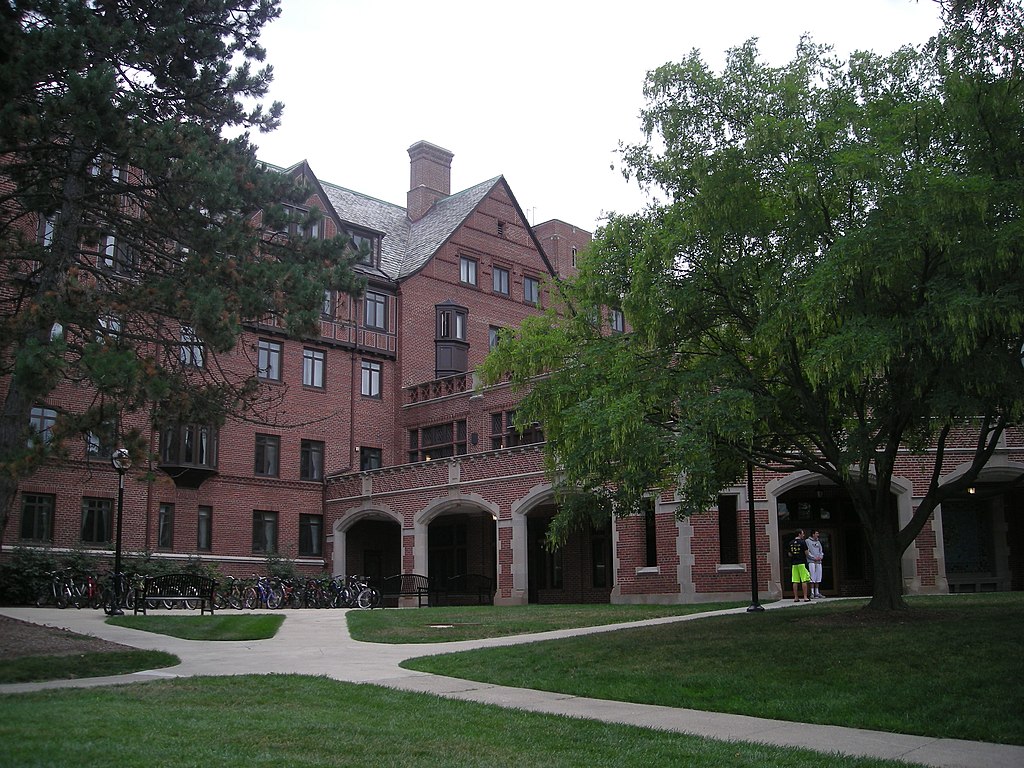

9. Northwestern University
Known for its strengths in materials science and medical device development, Northwestern prepares students for careers in product design and innovation. It is widely recognized as one of the best biomedical engineering schools in the country.
10. Rice University
At Rice, students benefit from a collaborative and research-driven environment with strong connections to the Texas Medical Center. Early hands-on experience helps make this program one of the most engaging biomedical engineering colleges in the country.


11. Washington University in St. Louis
This program combines rigorous academics with access to top-tier research facilities. Students at WashU benefit from strong mentorship and opportunities to work on real healthcare challenges, reinforcing its position among the best biomedical engineering schools.
12. University of California, Berkeley
A leader in bioengineering, Berkeley offers a research-focused curriculum that emphasizes innovation and technical depth. Students are exposed to advanced topics and cutting-edge labs, making it one of the most respected top biomedical engineering schools globally.

Evaluating Biomedical Engineering Colleges
It is important to remember that choosing between biomedical engineering colleges isn’t just about rankings. It is about fit, outcomes, and opportunity. Many students make the mistake of only looking at the best biomedical engineering schools without considering what actually matters for their future. Before choosing the best biomedical engineering schools for you, consider some key factors.
First, look at research access. The best biomedical engineering schools allow undergraduate students to participate in lab work early, sometimes as soon as freshman year. This experience is critical if you plan to pursue graduate school or competitive industry roles.
Second, evaluate hospital affiliations. The strongest biomedical engineering colleges are connected to major medical centers. This gives students exposure to real clinical problems and the ability to test solutions in real-world environments.
Third, consider internship pipelines. Programs with strong industry connections help students secure internships with medical device companies, biotech firms, and healthcare organizations. These experiences often lead directly to full-time job offers.
Finally, look at curriculum flexibility. Especially if you have a range of interests or career paths you’re considering, flexibility can make or break a program. Some of the best colleges for biomedical engineering allow students to specialize or take electives in areas like robotics, artificial intelligence, or entrepreneurship. This flexibility can give you a major edge in the job market once you’re out of school.
Undergraduate vs. Graduate Biomedical Engineering Schools
Biomedical healthcare degrees can be pursued at both undergraduate and graduate levels, but each serves a different purpose.
At the undergraduate level, a Bachelor of Science (B.S.) in BME typically takes about four years to complete and is designed to provide a broad, interdisciplinary foundation. Students are introduced to core engineering principles alongside biology, chemistry, and physics, allowing them to develop a well-rounded understanding of the fundamentals. This level of education prepares graduates for entry-level roles in the workforce or to pursue further education. Those with a bachelor’s degree often work in the medical device industry, clinical engineering roles within hospitals, regulatory affairs, and research assistant positions.
In contrast, graduate-level BME programs focus more heavily on specialization, advanced technical skills, and research. A master’s degree typically takes between one and a half to two years to complete. Master’s programs allow students to deepen their expertise in a specific area such as biomechanics, medical imaging, or biomaterials.
A Ph.D., which can take anywhere from four to six years, is significantly more research-intensive. At heart, a Ph.D. is geared toward scholars who want to contribute original knowledge to the field. Graduate degrees are often required for higher-level positions, including research leadership roles, careers in academia, and physician-scientist pathways.
When comparing biomedical engineering colleges, it is important for students to think beyond just undergraduate offerings. They should consider whether they plan to pursue graduate study in the future. Some schools are particularly strong in research and may provide better preparation and access to advanced degrees. Others may focus more on preparing students for immediate entry into the workforce. Understanding your long-term goals will help guide your decision between undergraduate and graduate pathways in biomedical engineering.
Is biomedical engineering a good major?

When comparing the biomedical engineering major to other types of engineering, it stands out for its versatility but also its complexity. According to industry data, job growth for biomedical engineers is projected at around 5% versus an overall average of 3%. What about earnings? The median salary for bioengineers and biomedical engineers is approximately $106,950. Compare this to other popular job fields like mechanical engineering ($102,320), electrical engineering ($118,780), and biology ($75,000).
A biomedical degree is one of the most strategic choices among healthcare degrees for students who want both technical skills and career flexibility. The degree opens options like medical device sales, pharmaceuticals, hospitals, government agencies, startups, academia or further education in medicine or law.
While the biomedical engineering major is one of the most rewarding STEM majors, it is also one of the most demanding. The combination of engineering and life sciences requires strong time management and discipline. One of the biggest challenges is the dual workload. Students must master both engineering concepts and life sciences, which means balancing courses like differential equations with biology and chemistry labs.
Another challenge is depth vs. breadth. Because the biomedical degree covers so many disciplines, some students feel they are not as specialized as mechanical or electrical engineers. This is why internships and hands-on experience are critical to find a particular area of interest.
Time management is also a major factor. Students at the best biomedical engineering schools often juggle lab work, group design projects, and exams across multiple technical subjects. Despite these challenges, graduates from top biomedical engineering schools are highly valued because they can bridge the gap between engineering and healthcare.
What can I do with a biomedical degree?
A biomedical engineering degree from one of the best biomedical engineering schools opens the door to a wide range of science careers. Medical devices, biotechnology, pharmaceuticals, healthcare systems, and research institutions are all common pathways for graduates.
At the entry level, graduates often begin in roles such as medical device engineer, clinical engineer, and research assistant. These positions typically offer competitive starting salaries and provide valuable hands-on experience that helps build a strong foundation early in a career.
As professionals gain experience, they can transition into more advanced and specialized mid-career roles. These may include positions such as biomedical engineers working on complex system design and innovation. There are also regulatory affairs specialists, who ensure that products meet strict healthcare compliance standards. Product development engineers responsible for bringing new medical technologies from concept to market. These roles often come with increased responsibility, higher earning potential, and greater influence over the direction of projects and products.
With continued experience, opportunities become available at the highest levels of the field. R&D directors or biomedical scientists are professionals who lead teams and contribute to major breakthroughs in healthcare technology. They often command significantly higher salaries and play a key role in shaping the future of medicine.
Graduates from top biomedical engineering programs are highly sought after by leading medical device companies, biotech firms, and healthcare organizations. Medtronic, Boston Scientific, Stryker, Abbott, Johnson & Johnson, and Philips Healthcare, as well as a growing number of startups seek out BME graduates.
Another key advantage of the biomedical engineering major is its strong overlap with pre-med coursework. Many graduates choose to continue their education by applying to medical school or dental school. Others pursue careers in patent law, where their technical background is highly valuable for intellectual property cases involving medical technology. This dual exposure to engineering and life sciences gives students a competitive edge when applying to advanced programs.
Choosing a Strong BME Program: 3 Tips
Not all biomedical engineering colleges are created equal. The best biomedical engineering schools distinguish themselves through a combination of academic rigor, research output, and career placement.
3 Tips to Choosing a BME Program

1. Prioritize research opportunities
The best biomedical engineering schools allow students to participate in research early. Look for programs that offer lab access by sophomore year. Another major factor is faculty expertise. Programs with professors actively involved in research and industry bring the latest knowledge directly into the classroom.
2. Evaluate hospital and industry partnerships
Strong connections to hospitals and companies provide valuable real-world experience and networking opportunities. Another key factor is funding and facilities. Top programs invest heavily in labs, equipment, and research initiatives, giving students access to the latest technology. Industry partnerships also play a huge role. The top biomedical engineering schools maintain relationships with major healthcare and biotech companies, which leads to internships, research collaborations, and job placements.
3. Focus on fit, not just rankings
While rankings matter, the best program is one that aligns with your goals, learning style, and career interests. You may also want to consider graduate outcomes. The best colleges for biomedical engineering have strong placement rates, with graduates entering high-paying roles or top graduate programs.
Best Biomedical Engineering Schools – Final Takeaways
Choosing among the best biomedical engineering schools requires careful research and self-reflection. The right program will offer a balance of academic rigor, hands-on experience, and career opportunities.
In this article, we discussed everything to know about these programs and their merits. The biomedical engineering major combines science, engineering, and healthcare. Today, biomedical engineering is one of the fastest-growing and most impactful STEM majors. Top programs across the nation offer strong research, hospital partnerships, and career outcomes. After graduation, a biomedical degree provides flexible career paths across multiple industries.
If you’re serious about pursuing one of the top biomedical engineering schools, start early, build a strong academic foundation, and focus on programs that align with your goals. Ultimately, the decision to pursue a biomedical engineering major should be based on both passion and long-term goals. Students who are genuinely interested in solving healthcare challenges will thrive in this field.
The best biomedical engineering schools provide access to opportunities, networks, and career paths that can shape your future. Whether your goal is to enter the workforce, attend medical school, or pursue advanced research, choosing the right program is the first step. Ready to take that step? CollegeAdvisor is here to help! On our website, you can also find more information on STEM jobs, various STEM majors, and the best colleges for science.

This article was written by Bailey Bennett. Looking for more admissions support? Click here to schedule a free meeting with one of our Admissions Specialists. During your meeting, our team will discuss your profile and help you find targeted ways to increase your admissions odds at top schools. We’ll also answer any questions and discuss how CollegeAdvisor.com can support you in the college application process.