



Best Music Schools in the US
For art majors who are aspiring performers, composers, producers, educators, and other music professionals, choosing the right college can be an important step toward turning a passion for music into a career. The best music schools in the US offer opportunities to improve your craft while studying music theory, composition, production, education, technology, business, and other areas.
However, finding the right school for music degrees can be complicated. Prospective students can choose from traditional music colleges, large universities, specialized performing arts schools, and conservatories focused on professional training. Students also have several music degrees to consider, including Bachelor of Arts (BA), Bachelor of Music (BM), and Bachelor of Fine Arts (BFA) programs.
While music school rankings and broader college rankings can help students begin their research, they do not tell the whole story. Even the best music schools in the world may not be right for every musician.
In this guide to the best music schools in the US, we will explore:
- Why students choose music and what being a music major entails
- How different music majors and degrees compare at different music universities
- The differences between a music conservatory and a traditional university
- The best music colleges and additional colleges for music art majors worth considering
- How to compare faculty, facilities, performance opportunities, cost, and other features at top music schools
- What to expect from music admissions and auditions at music colleges
- Career opportunities available after graduation
Whether you are comparing music degrees at conservatories, music universities, or programs within some of the best art colleges, finding the best music schools in the US starts with understanding what you want from college.
Why Study Music
For students who already spend much of their time practicing, performing, composing, or creating music, studying music in college provides an opportunity to take that interest further. At the best music schools in the US, students can:
- Strengthen their technical abilities
- Deepen their understanding of music
- Learn from experienced musicians and educators
Pursuing a music major at the best music schools in the US also allows students to dedicate a significant part of college to something they genuinely care about.
College music programs provide resources that can be difficult to access independently. Students pursuing music degrees at the best music schools in the US may have access to private lessons, ensembles, rehearsal spaces, recording studios, and frequent performances. Many music colleges also host visiting artists and industry professionals.
Studying music does not mean you have to become a professional performer. The best music schools in the US can prepare students for music degrees in composition, songwriting, music education, production, music business, and arts administration. Graduates may also work in film scoring, artist management, sound engineering, publishing, and nonprofit arts organizations.
Before comparing the best music colleges, consider how large a role you want music to play in your future. Do you want intensive professional preparation, or would you prefer to combine music with another academic interest? Your answer can help determine which music degrees and music colleges make sense for you.
Majoring in Music in College

Being a music major can mean many different things depending on the school and program. Students at the best music schools in the US can follow very different academic and artistic paths.
Common majors and concentrations at music colleges include:
- Music performance
- Composition
- Music education
- Music theory
- Musicology
- Jazz studies
- Songwriting
- Music production
- Music technology
Because not all music colleges offer every specialization, researching available music degrees is essential when comparing colleges for music.
At the top music schools, many students take private lessons, participate in ensembles, and complete courses in music theory, ear training, and music history. Performances, recitals, collaborative projects, and juries may also be part of the college experience.
That said, daily life varies according to a student’s focus. A performance music major may spend hours practicing and rehearsing. A musicology student may spend more time researching and writing, while a production student might work extensively in recording studios.
These differences are one reason to look beyond music school rankings. Two top music schools may offer completely different undergraduate experiences, even when both have excellent reputations.
BA vs. BM vs. BFA Music Degrees
As future art majors research music degrees at the best music schools in the world, you will likely encounter three common undergraduate options: the Bachelor of Arts, Bachelor of Music, and Bachelor of Fine Arts.
A Bachelor of Arts in Music is typically a broader liberal arts degree. Students study music while completing more coursework in other academic disciplines. This flexibility can appeal to students who want to pursue a minor, double major, or interests outside music.
A Bachelor of Music is generally more specialized. BM students typically devote a greater percentage of their coursework to music, often focusing on areas such as performance, composition, jazz studies, or music education. Many of the best music schools in the US offer BM programs for students seeking intensive preparation.
A Bachelor of Fine Arts is another career-focused arts degree. Some music colleges and performing arts schools offer BFAs in recorded music, musical theatre, or interdisciplinary fields. BFAs are less common in traditional areas such as classical performance and composition, where BM music degrees are more prevalent.
A BA may work well if you want greater academic flexibility, while BM and BFA programs generally involve more specialized artistic training. Still, review the actual curriculum instead of choosing based solely on the degree title. Requirements vary significantly among music universities, even when the music degrees have the same name.
Should I go to a music conservatory?
A music conservatory is a school primarily focused on intensive musical training. Unlike a traditional university, conservatory students spend much of their college experience surrounded by other musicians and performing artists.
The Juilliard School, Curtis Institute of Music, and New England Conservatory are prominent standalone conservatories and are regularly discussed among the best music schools in the US and best music schools in the world.
A music conservatory can offer intensive private instruction, specialized faculty, frequent performances, and extensive collaboration with other musicians. However, demanding practice schedules may leave less time to explore subjects and activities outside music. Cost and financial aid also vary considerably among institutions.
Do not assume a conservatory is automatically better for a serious musician. Many of the best music colleges operate within comprehensive universities. When comparing top music schools, consider whether you want music to dominate your college experience or prefer intensive training alongside broader academic opportunities.
What colleges offer music degrees?

Students can pursue music degrees at hundreds of institutions across the United States, including small private colleges and large public universities. Some of the best music schools in the US offer a music major within a broader arts department, while others have dedicated schools of music or conservatories.
At the best music colleges in the US, the programs may vary. One college might offer a general BA in Music, while another offers specialized music degrees in performance, composition, education, jazz, production, or music technology.
This means your search for colleges for music can extend well beyond the institutions that dominate college rankings. Many music universities provide excellent training while offering very different campus environments, costs, and academic opportunities.
What are the best music schools in the US?
There is no single answer to the question, “What are the best music schools in the US?” Your instrument, intended music major, career goals, and preferred college environment all influence which programs are best for you.
A classical violinist may prioritize private instruction and high-level orchestras, while an aspiring songwriter might prefer music colleges with contemporary music, songwriting, and production programs.
Strong colleges for music generally offer experienced faculty, private instruction, relevant coursework, quality facilities, and ensembles that align with students’ interests. Depending on your goals, looking at the best music schools in the US for their recording studios, technology labs, internships, and professional industry connections may also matter.
Although music school rankings and college rankings provide useful starting points, the best music schools in the world differ substantially in their strengths and educational approaches. Ultimately, the best music colleges are those that provide the resources you need to grow.
16 Best Music Colleges
With hundreds of music colleges across the country, narrowing your options can be challenging. The following schools represent 16 of the best music schools in the US, including standalone conservatories and music schools within major universities. While this list is not a definitive ranking, these top music schools stand out for their faculty, programs, performance opportunities, facilities, and track records of preparing musicians for professional careers.
16 Top Music Colleges in the US

1. The Juilliard School
Located at Lincoln Center in New York City, The Juilliard School is one of the most recognizable music colleges in the country and is frequently considered among the best music schools in the world. Its four-year Bachelor of Music provides intensive training in areas including instrumental performance, voice, composition, and jazz studies. Students combine private instruction and frequent performances with music theory, history, and liberal arts coursework. Juilliard alumni have earned more than 100 Grammy Awards, and its distinguished musical alumni include artists such as Yo-Yo Ma and Wynton Marsalis.
2. Curtis Institute of Music
Philadelphia’s Curtis Institute of Music offers an unusually intimate conservatory experience. Curtis enrolls approximately 160 students, and all students receive full-tuition scholarships, making its financial model particularly distinctive among the best music colleges. Students receive individualized instruction while participating in more than 200 orchestra, opera, chamber, and solo offerings and programs. Its alumni roster includes Leonard Bernstein, Samuel Barber, Lang Lang, Hilary Hahn, and Yuja Wang. For students seeking intensive classical training within a small music conservatory, Curtis deserves serious consideration.


3. Johns Hopkins University
The Peabody Institute of Johns Hopkins University in Baltimore combines conservatory training with the interdisciplinary opportunities of a major research university. Peabody’s Bachelor of Music includes options spanning traditional performance, composition, music education, recording arts, computer music, jazz, and emerging media. Founded in 1857, Peabody has educated generations of professional musicians, including pianist and composer André Watts. Its combination of specialized training and university resources helps distinguish it among music universities.
4. Northwestern University
Located in Evanston, Illinois, Northwestern University’s Bienen School of Music combines conservatory-level musical preparation with the academics of a major research university. As one of the top music schools, undergraduates can pursue a BM, BA in Music, or BS in Music, with BM majors including performance, jazz studies, composition, musicology, music cognition, music education, and music theory. With more than 120 performers, composers, and scholars on its faculty, Bienen is particularly attractive for students who want intensive musical study without giving up access to broader academic opportunities.


5. University of Southern California
Los Angeles makes USC Thornton School of Music especially appealing for students interested in both traditional performance and today’s commercial music industry. Undergraduate options include composition, jazz studies, music industry, music production, performance, popular music, and other fields. Its Popular Music program integrates performance with songwriting, arranging, recording, production, and entrepreneurship. This combination gives students access to one of the country’s major entertainment centers while completing their music degrees. As one of the best music schools in the world, Thornton alumni include Grammy-winning artists and influential professionals across performance, composition, film, television, and the recording industry.
6. Indiana University Bloomington
The Indiana University Jacobs School of Music offers more than 70 academic programs across undergraduate and graduate study. Students can explore areas including performance, composition, jazz studies, music education, music business, music production, music theory, musicology, musical theatre, and scoring for visual media. For students seeking the resources of a large public university alongside specialized musical training, Jacobs stands out among colleges for music.


7. New England Conservatory
Founded in Boston, New England Conservatory offers a Bachelor of Music centered on intensive musical study while incorporating music theory, history, and liberal arts. Undergraduate majors include instrumental and vocal performance, composition, jazz studies, contemporary musical arts, music history, and music theory. Its location in a city filled with universities, ensembles, and arts organizations further strengthens its appeal among the best music schools in the US.
8. Berklee College of Music
Boston’s Berklee College of Music is particularly well known for contemporary music and the professional music industry. Berklee offers more than a dozen BM majors, including songwriting, performance, music production and engineering, film and media scoring, music business, electronic production and design, jazz composition, and music therapy. Students can also pursue BA options and numerous minors and specializations. Its alumni include Quincy Jones, John Mayer, Charlie Puth, and Esperanza Spalding.


9. University of Michigan–Ann Arbor
University of Michigan School of Music, Theatre & Dance offers an unusually broad selection of undergraduate music degrees. Students can study performance, composition, jazz and contemporary improvisation, music education, music theory, musicology, performing arts technology, and music technology, among other fields. Michigan’s combination of music, theatre, dance, and technology makes it particularly attractive to students interested in interdisciplinary work at one of the country’s major public universities.
10. Oberlin College
Located in Oberlin, Ohio, Oberlin Conservatory of Music offers students both intensive conservatory study and access to a liberal arts college. The conservatory has more than 40 areas of study, including classical and jazz performance, composition, musicology, historical performance, recording arts and production, and Technology in Music and Related Arts. As one of the top music schools, students can also pursue a five-year double-degree program combining conservatory study with another academic field. Notable alumni include composer and conductor John Williams.

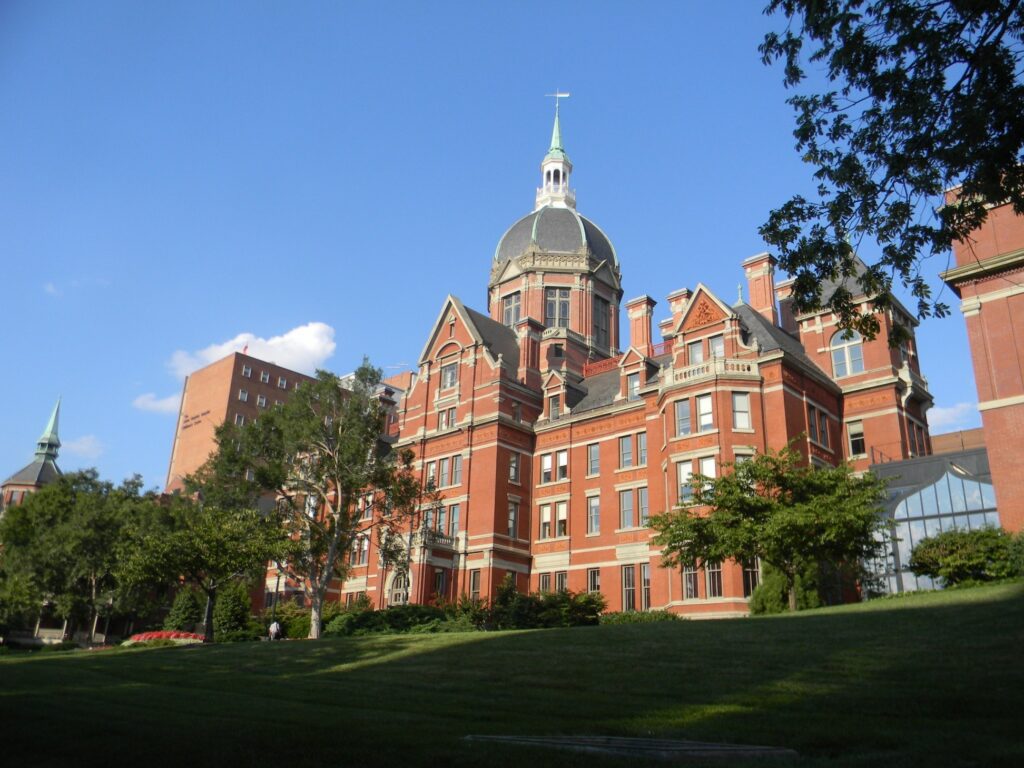
11. Carnegie Mellon University
At Carnegie Mellon University’s School of Music in Pittsburgh, students can combine conservatory-style training with a university famous for technology and interdisciplinary study. Undergraduate BFA programs include instrumental performance, piano performance, vocal performance, composition, and electronic music, while a BS in Music & Technology connects musical and technical study. Students can also pursue interdisciplinary pathways through Carnegie Mellon’s BXA programs.
12. University of Rochester
The Eastman School of Music at the University of Rochester is another conservatory-style program connected to a comprehensive university. Eastman’s four-year Bachelor of Music emphasizes applied lessons, ensemble participation, music theory, music history, keyboard proficiency, and humanities. Students can prepare for careers in performance, composition, music education, theory, musicology, and other professional fields. As one of the best music schools in the world, famous Eastman alumni include soprano Renée Fleming and composer Maria Schneider.

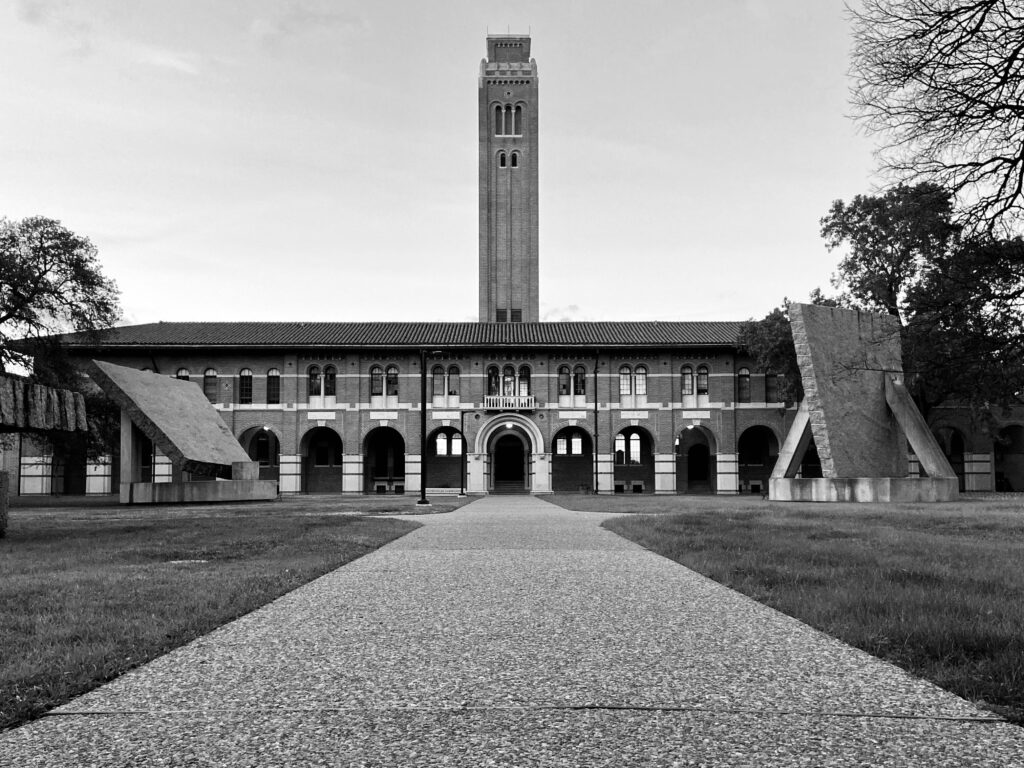
13. Rice University
Houston’s Shepherd School of Music at Rice University offers a four-year Bachelor of Music built around intensive study with artist-teachers and extensive performance experience. BM students complete core work in theory, aural skills, and music history alongside private lessons, ensembles, chamber music, and recitals. Undergraduate fields include composition, music history, voice, piano, organ, strings, winds, brass, percussion, and harp.
14. Boston University
Boston University School of Music provides conservatory-style training within a large research university in the heart of Boston. Undergraduate students can pursue BM programs in performance, music education, and composition and theory, as well as a flexible BA in Music. BA concentrations include areas such as music theory, global music studies, and musicology and ethnomusicology. Students also have access to numerous ensembles and performance opportunities, including concerts at major Boston venues.
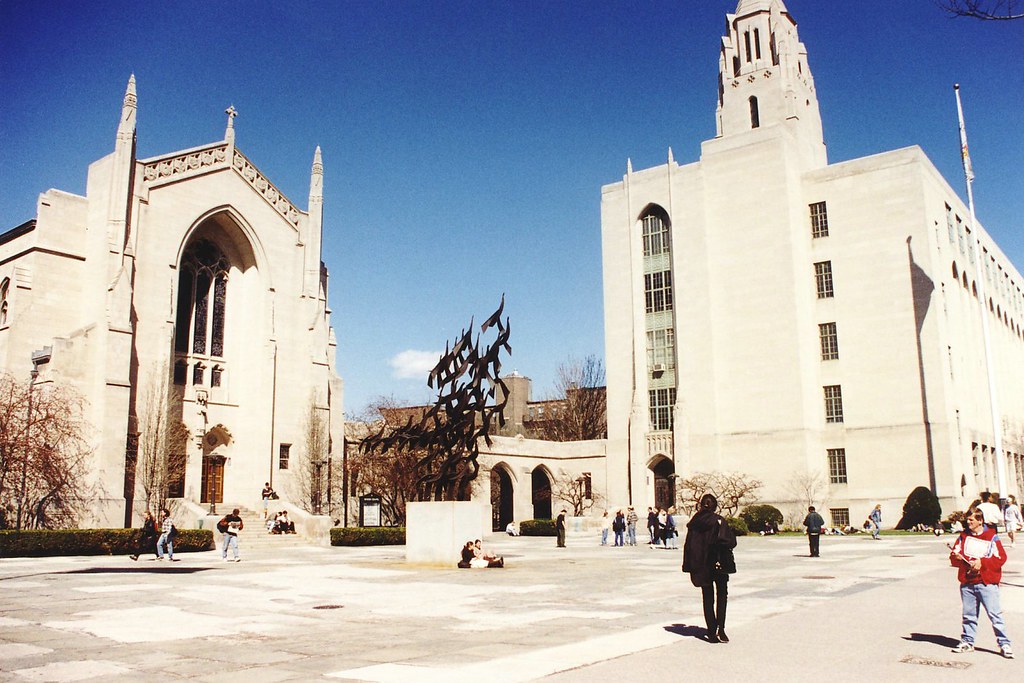

15. Cleveland Institute of Music
The Cleveland Institute of Music is a specialized conservatory offering intensive preparation for professional careers in music. Its Bachelor of Music programs focus primarily on instrumental performance, voice, and composition, with students completing a core that includes music theory, music history, and eurhythmics alongside lessons and ensemble participation. Alumni include celebrated musicians such as violinist David Oistrakh’s students and performers who have joined major orchestras worldwide. For students seeking a focused classical environment, CIM remains an important name among the best music schools in the US.
16. Manhattan School of Music
Located in New York City, Manhattan School of Music offers a four-year Bachelor of Music combining specialized training with music-related coursework, ensemble performance, and humanities. Undergraduate students can study classical instrumental performance, voice, composition, jazz, or musical theatre. The school’s New York location gives aspiring musicians access to one of the world’s most active performing arts communities while they complete their training. Notable alumni include jazz pianist Herbie Hancock and composer, lyricist, and performer Lin-Manuel Miranda.

Together, these institutions demonstrate just how different the best music schools in the US can be. Some emphasize classical conservatory training, while others excel in jazz, contemporary music, production, technology, or interdisciplinary study. When comparing these best music colleges, focus on the programs that most closely match your musical interests rather than treating the list as a strict set of music school rankings.
More Colleges for Music
The best music schools in the US extend beyond the 16 programs above. Depending on your musical interests, preferred location, budget, and desired college experience, there are many additional music colleges worth exploring. Consider adding these colleges for music to your research as you build a balanced college list.
More Music Colleges

New York University
At New York University, students can study music through the Steinhardt School of Culture, Education, and Human Development. Undergraduate options include instrumental and vocal performance, music composition, music business, music technology, and music education. Its New York City location provides access to a major global music and entertainment center.
UCLA
The UCLA Herb Alpert School of Music in Los Angeles offers undergraduate programs in music performance, music education, composition, global jazz studies, musicology, and music industry. Students benefit from studying at a major public research university located near many of the country’s leading music, film, and entertainment organizations.
San Francisco Conservatory of Music
San Francisco Conservatory of Music offers intensive conservatory training in San Francisco. Undergraduate students can pursue programs in areas including instrumental and vocal performance, composition, and technology and applied composition. Its curriculum combines individual instruction, collaboration, and performance opportunities within a specialized community of musicians.
University of California, Berkeley
The Department of Music at UC Berkeley offers a BA in Music that combines music studies with the flexibility of a liberal arts education. Students can explore performance, composition, music history and culture, and music technology while taking advantage of the academic resources of a major research university.
University of Miami
Located in Coral Gables, Florida, the Frost School of Music at the University of Miami offers numerous undergraduate music degrees. Programs span performance, composition, music education, music engineering technology, and music industry. Frost’s curriculum emphasizes collaboration and hands-on musical experiences alongside classroom study.
Colburn School
Located in downtown Los Angeles, the Colburn Conservatory of Music provides intensive classical music training within a small conservatory environment. Bachelor of Music students receive private instruction, ensemble experience, and numerous performance opportunities. The conservatory also provides full scholarships covering tuition, room, and board for its students.
Vanderbilt University
At Vanderbilt University’s Blair School of Music, students pursue undergraduate music study within a major research university in Nashville. Blair offers Bachelor of Music programs in areas such as performance, composition, and integrated studies. Its Nashville location also places students in one of America’s most prominent music cities.
University of North Texas
The University of North Texas College of Music in Denton offers undergraduate study in areas including performance, composition, jazz studies, music education, and commercial music. UNT is particularly well known for its jazz program and provides students with extensive ensemble and performance opportunities within a large public university.
University of Florida
The University of Florida School of Music in Gainesville offers undergraduate music degrees including the Bachelor of Music and Bachelor of Arts in Music. Students can pursue areas such as performance, composition, music education, and music theory while accessing the broader academic opportunities of a large public research university.
University of North Carolina School of the Arts
Located in Winston-Salem, the UNCSA School of Music provides conservatory-style training within one of the country’s specialized public performing arts schools. Undergraduate musicians can study areas such as instrumental performance, voice, and composition while receiving individual instruction and participating in ensembles and frequent performances.
These best music schools in the US illustrate the range of options available beyond traditional music school rankings. From large music universities to specialized conservatories, there are excellent programs for many types of students. As you research the best music colleges, consider which schools offer the training, environment, and opportunities that fit your individual goals.
Careers for Music Majors
Graduates of music colleges can pursue careers both onstage and behind the scenes. Performance-focused students may become:
- Professional musicians
- Vocalists
- Conductors
- Music directors
Other graduates work as:
- Composers
- Songwriters
- Music teachers
- Producers
- Audio engineers
- Music therapists
Music degrees from the best music schools in the US can also prepare students for careers in:
- Artist management
- Publishing
- Marketing
- Concert promotion
- Music business
- Arts administration
Music careers do not always follow a traditional full-time structure. A musician might perform, teach private lessons, and do session work. A producer may also write songs and record music. Developing several complementary skills can help graduates create flexible professional careers.
When comparing the best music schools in the US, consider how each program connects its training to your intended career. The best music colleges should help students develop both their craft and the practical skills needed to use it professionally.
How to Choose a Music School

Choosing among the best music schools in the US starts with deciding what you want to study. A great classical violin program may not be the right choice for songwriting, jazz, composition, or production.
When comparing music colleges, research majors, faculty, private lessons, ensembles, performance opportunities, facilities, location, class size, cost, financial aid, and overall campus experience. A production student might prioritize recording studios, while a performance student may care more about ensembles and performance venues.
Performance-focused students should pay particular attention to their potential studio teacher. When looking at the best music schools in the US, research the instructor’s professional background and teaching style, and consider whether you would want to work closely with that person for several years.
Most importantly, when considering the best music schools in the US, visit prospective colleges for music when possible. Tour facilities, attend performances, take sample lessons, and talk with current students. These experiences can reveal aspects of everyday life that college rankings cannot.
Whether you are considering music universities, conservatories, best art colleges, or other performing arts schools, the strongest program is one where you can picture yourself learning and growing.
Music School Auditions and Admission
Applying to music colleges may require additional steps beyond the regular college application. Requirements vary by school, instrument, and music major.
Many of the best music schools in the US require auditions or other demonstrations of musical ability. Applicants may encounter prescreening recordings, live auditions, prepared repertoire, portfolios, interviews, sight-reading, or assessments of music theory and ear-training skills.
Research requirements early. Preparing repertoire, recording prescreening materials, developing a portfolio, or traveling for auditions can take months. Keep track of both application and audition deadlines for every school.
Remember that an audition is only one part of admission at many music colleges. Schools may also evaluate grades, essays, recommendations, extracurricular activities, and other application materials. Students pursuing competitive music degrees should prepare both their artistic materials and broader college applications carefully.
Best Music Schools in the US – Final Thoughts
Finding the best music schools in the US is ultimately about fit. We have explored different music degrees, majors, conservatories, career paths, admissions requirements, the best music colleges, and additional colleges for music worth researching.
Whether you are considering a specialized music conservatory, large music universities, or programs at some of the best art colleges, focus on your goals. The best music schools in the world may have impressive reputations, but prestige alone cannot determine where you will thrive.
Likewise, the top music schools in national college rankings may not offer the specialization, teacher, or campus experience you need. The best music schools in the US for you are the ones that align with your artistic interests, academic priorities, financial needs, and career goals.
CollegeAdvisor can help students find the best music schools in the US, research music colleges, build balanced college lists, and navigate applications and deadlines. Whether you are comparing the best music colleges, researching art majors or specialized performing arts schools, best art colleges, or other colleges for music, personalized admissions guidance can help you identify programs where you can thrive.
Ultimately, researching music degrees carefully and looking beyond rankings can help you find the best music schools in the US for your future.

This article was written by Ashley Hollins. Looking for more admissions support? Click here to schedule a free meeting with one of our Admissions Specialists. During your meeting, our team will discuss your profile and help you find targeted ways to increase your admissions odds at top schools. We’ll also answer any questions and discuss how CollegeAdvisor.com can support you in the college application process.
