



East Coast Colleges
The East Coast colleges of the United States include some of the most prestigious and influential institutions in the world. Spanning from Maine down to Florida, the vast eastern United States is home to numerous institutions fit for any student. Colleges on the East Coast offer a unique blend of academic rigor, historic tradition, and access to major cultural and economic hubs.
The region provides an unmatched range of options for students navigating their college search. There are globally recognized Ivy League schools, innovative research-driven East Coast universities, highly respected liberal arts colleges, and more. Are you looking for a large public university, a private research institution, or a small, close-knit campus? Whatever you’re searching for, you can probably find a great fit on the East Coast. The best East Coast colleges consistently rank among the best colleges in the US.
In this article, we’ll cover:
- What makes colleges on the East Coast academically exceptional
- A comprehensive list of the best colleges on the East Coast
- Differences between public and private colleges on the East Coast
- How Ivy League schools compare to other top institutions
- The top East Coast colleges by state and major
- Colleges with standout campuses and student life
- Key considerations to guide your college search
Keep reading to learn everything you need to know about colleges on the East Coast.
What are the best colleges on the East Coast?
The best colleges on the East Coast are known for combining academic excellence with opportunity. Across the Eastern United States is a dense concentration of high-performing institutions that consistently rank among the best colleges in the US.
While many people associate colleges in the Northeast with elite education, the reality is that outstanding East Coast colleges exist throughout the entire region. The best colleges in Maine all the way down to Florida are also among the top nationally. Moreover, because of its huge range, the Eastern United States offers diverse academic environments.
This area is home to:
- Renowned Ivy League schools with centuries of tradition
- Top-ranked East Coast universities leading research and innovation
- Highly selective liberal arts colleges focused on undergraduate teaching
- Flagship public institutions offering strong value and accessibility
The best East Coast colleges share several defining characteristics that make them stand out during any college search:
Characteristics of Top East Coast Colleges
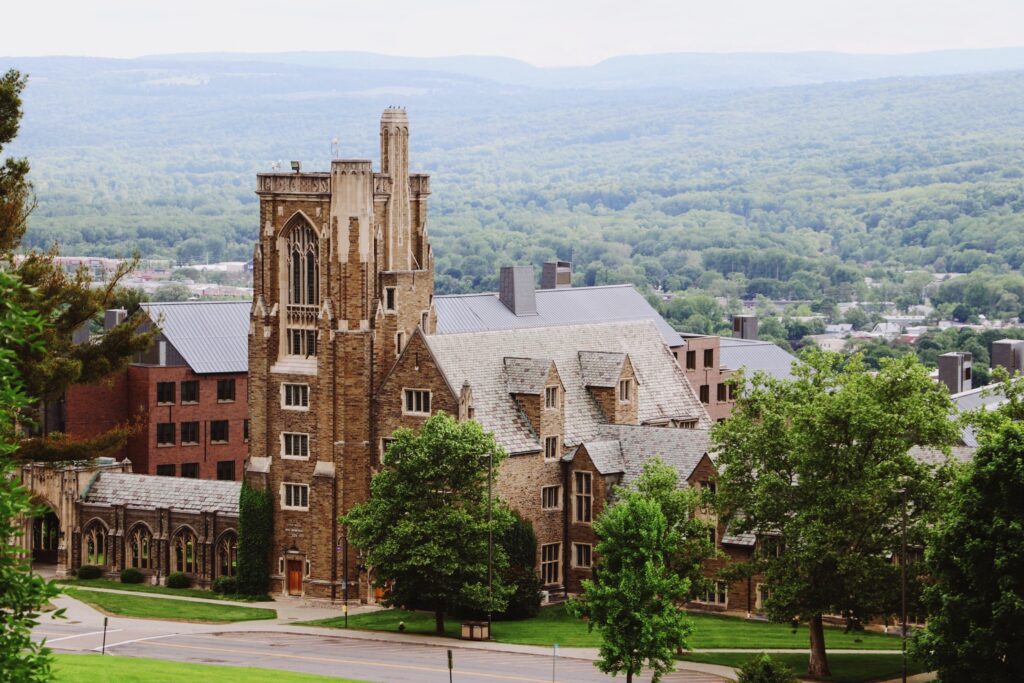
Selective admissions processes
Top colleges on the East Coast admit students with strong academic records, leadership experience, and intellectual curiosity.
Strong academic programs
From STEM fields to humanities, East Coast universities offer rigorous programs across disciplines.
Research opportunities
Many universities on the East Coast provide undergraduate research opportunities that rival graduate-level experiences. In particular, schools in large cities like New York or Philadelphia offer unique opportunities with local industry partners.
Campus life and culture
Whether at large public schools or small liberal arts colleges, student engagement is a core part of the experience.
Powerful alumni networks
Graduates of the best colleges in the US, many of which are located on the East Coast, benefit from strong professional networks.
Top 30 East Coast Colleges
When evaluating the best East Coast colleges, it’s important to consider a mix of academic strength, campus culture, and career outcomes. Below is a curated list of standout colleges on the East Coast, including both public and private institutions.
30 Top East Coast Colleges
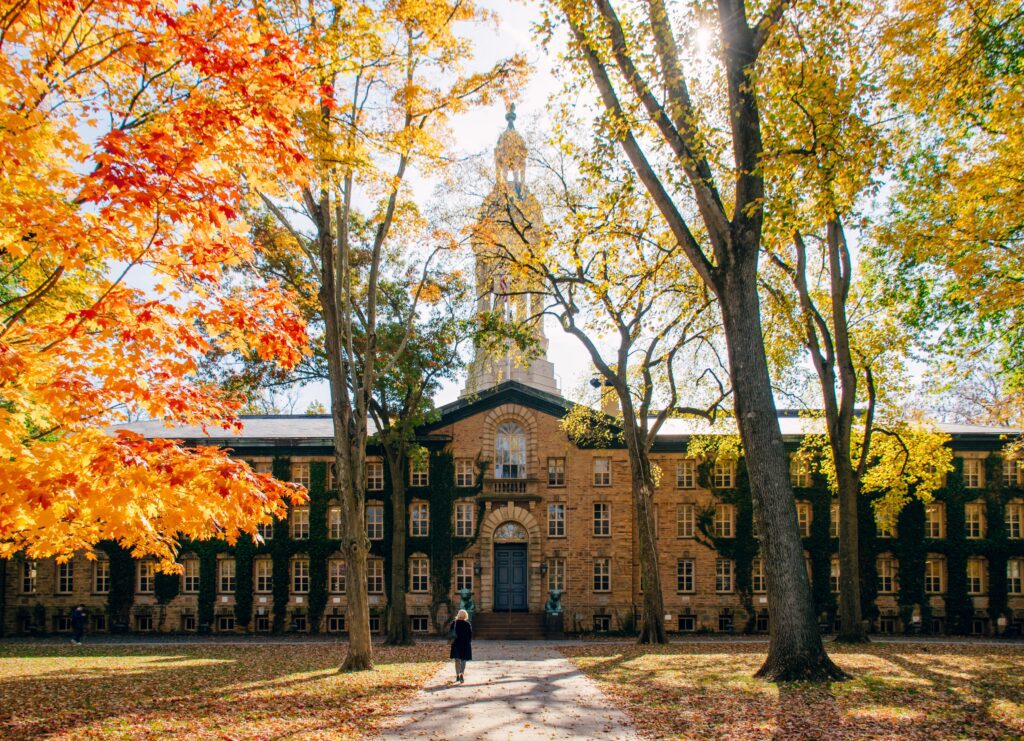
1. Princeton University (New Jersey)
Few universities match Princeton’s dedication to undergraduate education. Programs in economics, public policy, and mathematics make it one of the best colleges in New Jersey, and the campus itself ranks among the most beautiful in the country.
2. Massachusetts Institute of Technology (MIT)
The gold standard for engineering, computer science, and applied sciences, MIT attracts students who want to be pushed harder than anywhere else, with direct pipelines into the world’s top research institutions and tech companies.

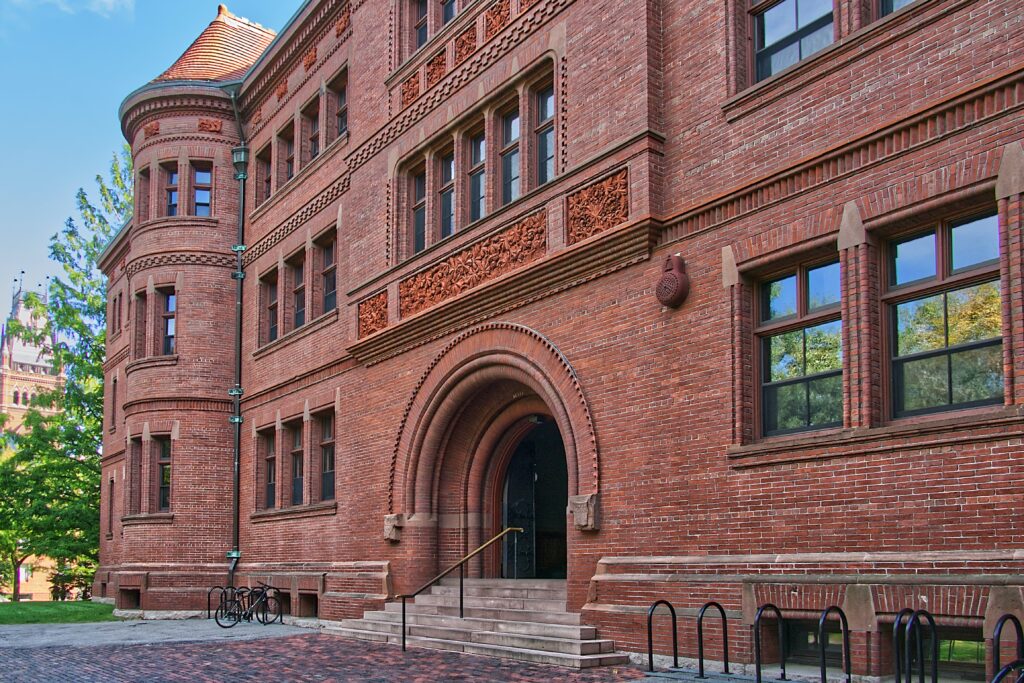
3. Harvard University (Massachusetts)
No university carries a more recognizable name than Harvard, and the academics back it up. Law, medicine, government, economics, and the sciences all rank among the world’s best, and Harvard’s alumni network spans every major field.
4. Yale University (Connecticut)
What sets Yale apart as one of the best colleges in Connecticut goes beyond excellent programs in law, drama, music, and history. The residential college system fosters a tight-knit community that students consistently cite as central to the experience.
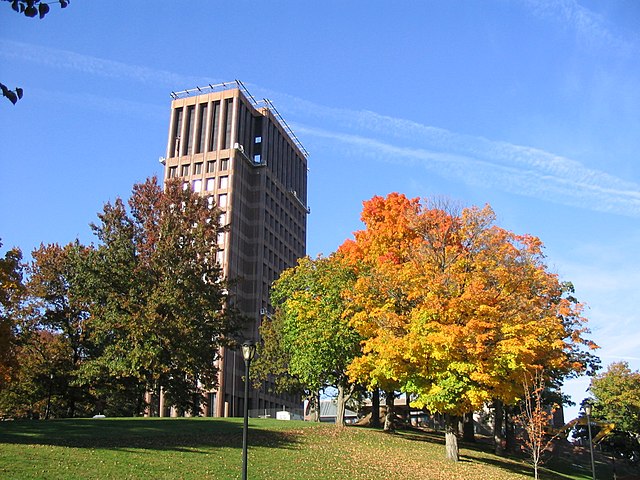
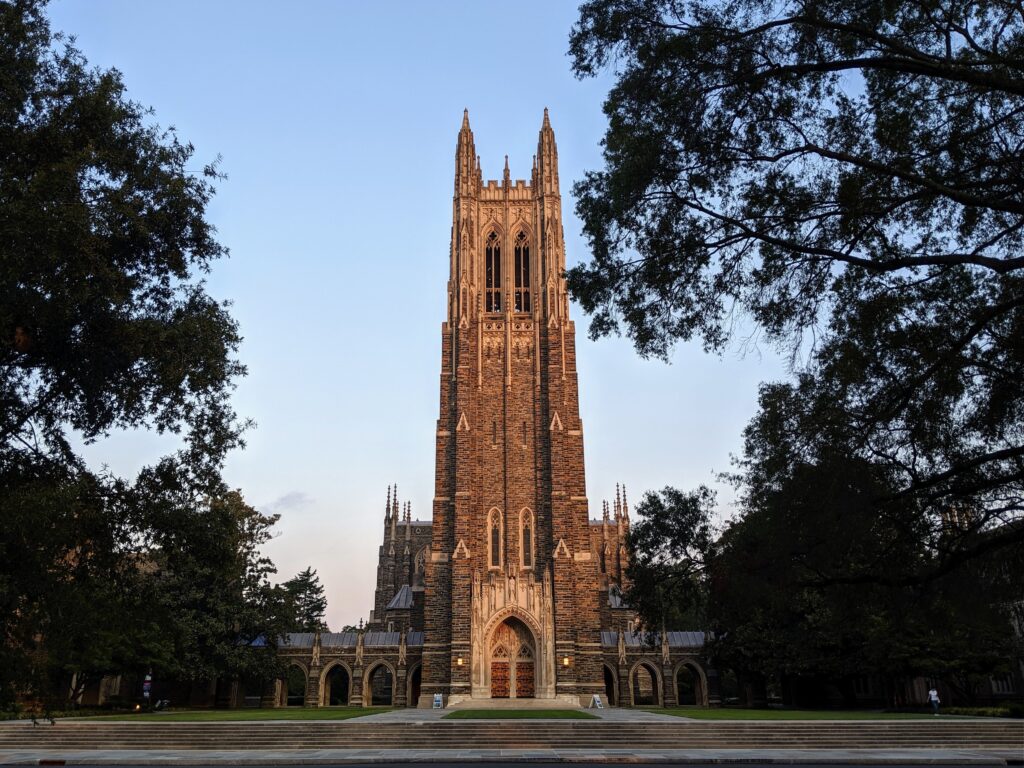
5. Duke University (North Carolina)
Among the best colleges in North Carolina, Duke pairs a serious research culture in medicine, public policy, and biomedical engineering with one of the most passionate basketball programs in the country, creating a campus energy unlike most of its academic peers.
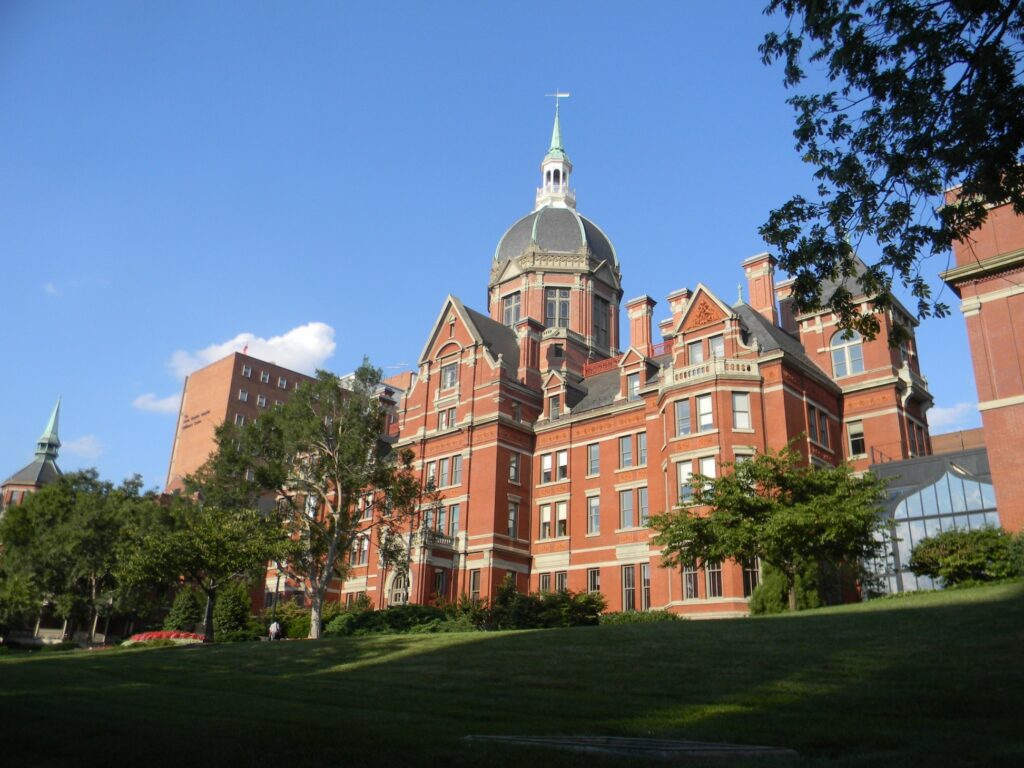
6. Johns Hopkins University (Maryland)
Pre-med students and biomedical researchers gravitate to Johns Hopkins for good reason. Programs in medicine, public health, and the life sciences make it one of the best colleges in Maryland, backed by one of the top hospital systems in the country.


7. University of Pennsylvania (Pennsylvania)
Wharton positions Penn among the top destinations for undergraduate business in the country. Strong programs in nursing, engineering, and the liberal arts round out one of the best colleges in Pennsylvania.
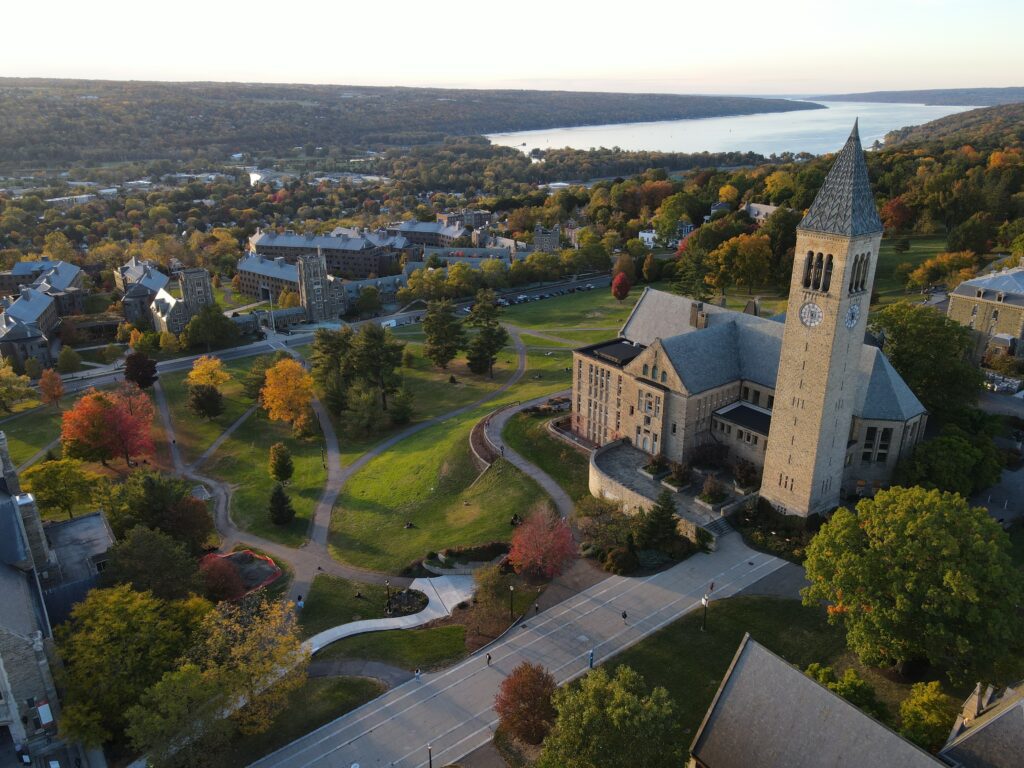
8. Cornell University (New York)
One of the best colleges in New York, Cornell offers programs you won’t find at any other school in its tier. Hotel administration, industrial labor relations, and agriculture sit alongside world-class engineering and architecture at this Ivy League.
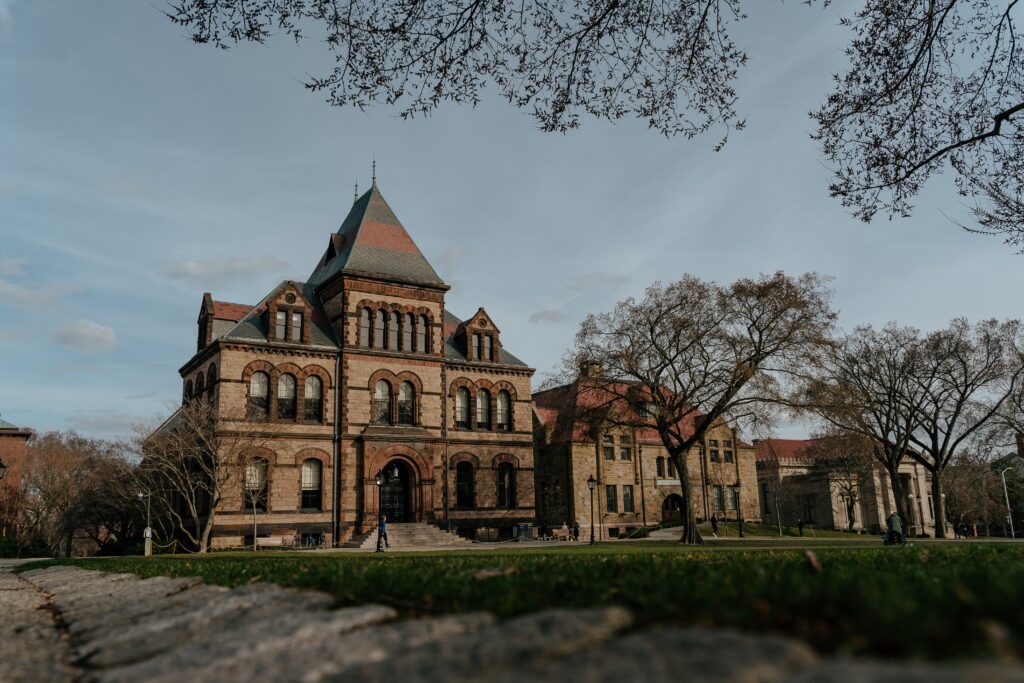
9. Brown University (Rhode Island)
No core curriculum, no required courses — Brown lets students build their own academic path, with particular depth in computer science, neuroscience, international relations, and the humanities.
10. Dartmouth College (New Hampshire)
The tight campus community and close student-faculty relationships define Dartmouth just as much as its well-regarded programs in economics, engineering, and the liberal arts.
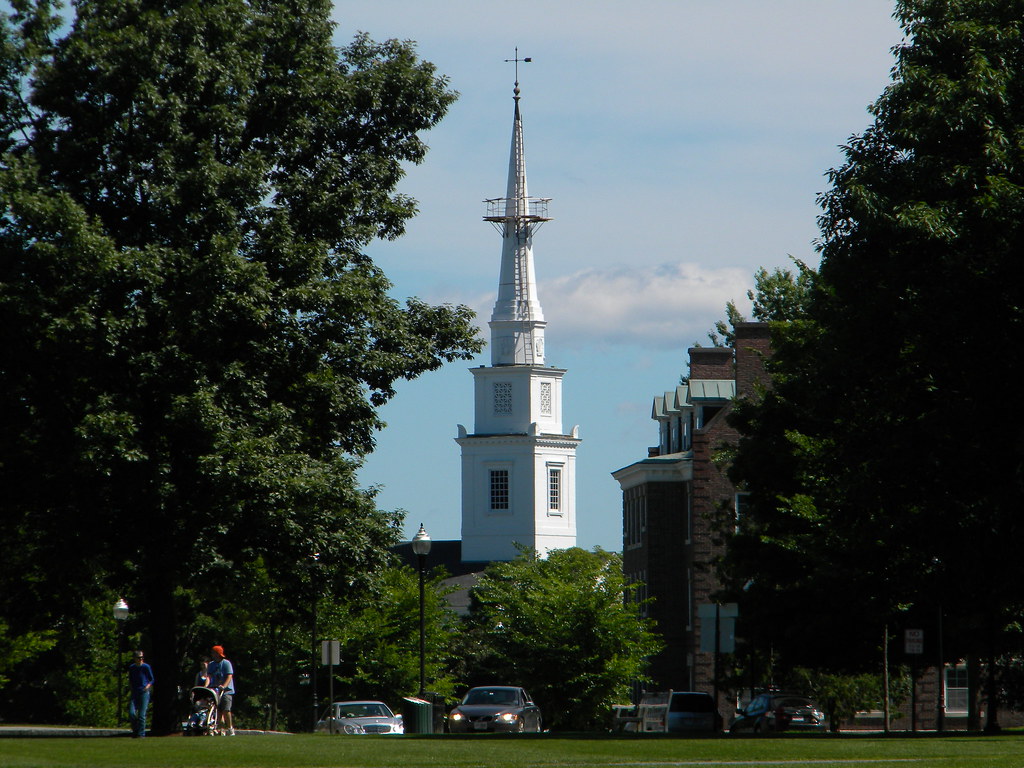
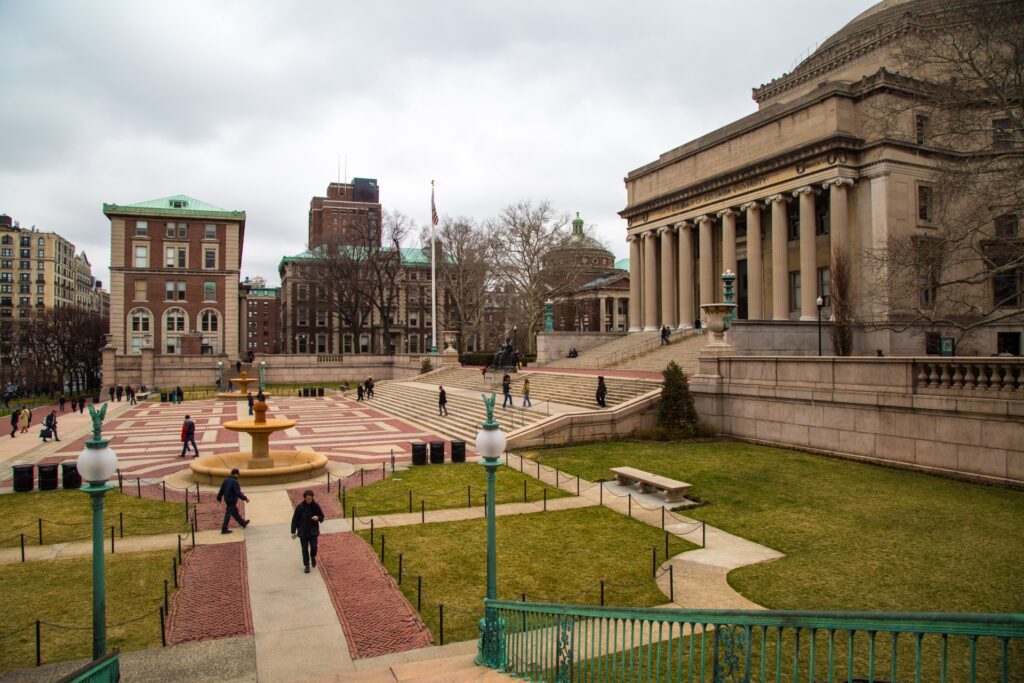
11. Columbia University (New York)
A Core Curriculum that every student completes — regardless of major — anchors academic life at Columbia, alongside top programs in political science, journalism, economics, and engineering, all in the middle of Manhattan.
12. Carnegie Mellon University (Pennsylvania)
Few universities can claim world-leading programs in both computer science and drama, but Carnegie Mellon does exactly that, with robotics, artificial intelligence, and fine arts all competing at the highest level.
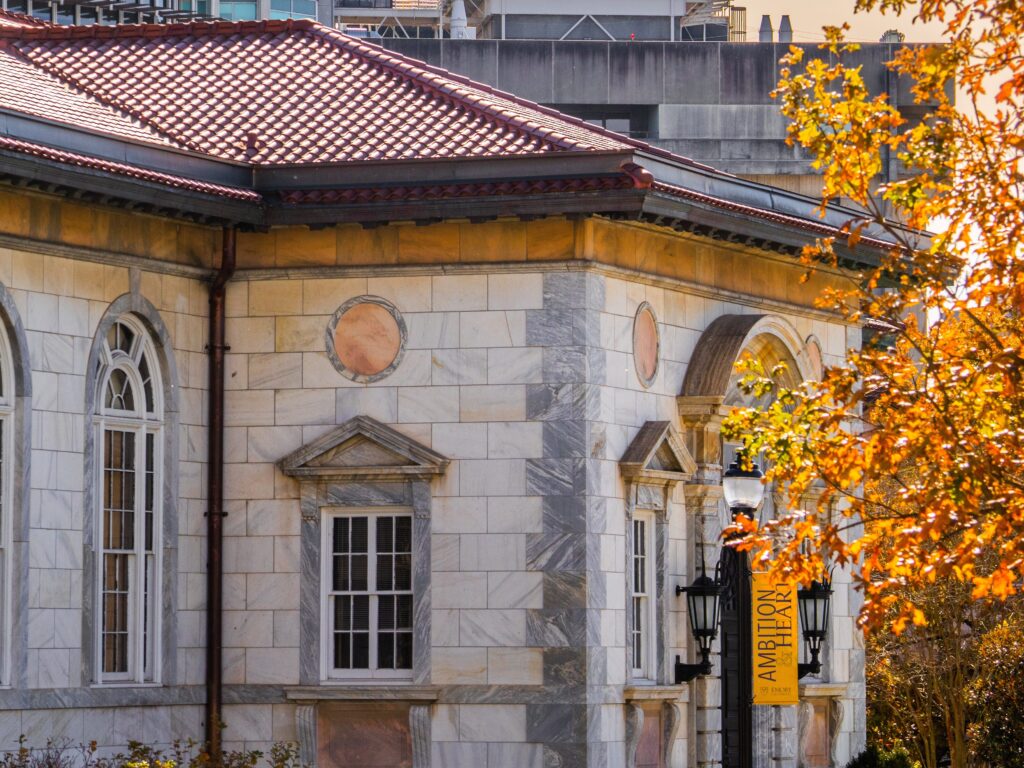
13. Emory University (Georgia)
Business, public health, law, and medicine anchor Emory’s academic profile. Its Atlanta location — home to the CDC, major nonprofits, and a booming business scene — gives students real-world access few campuses can match.
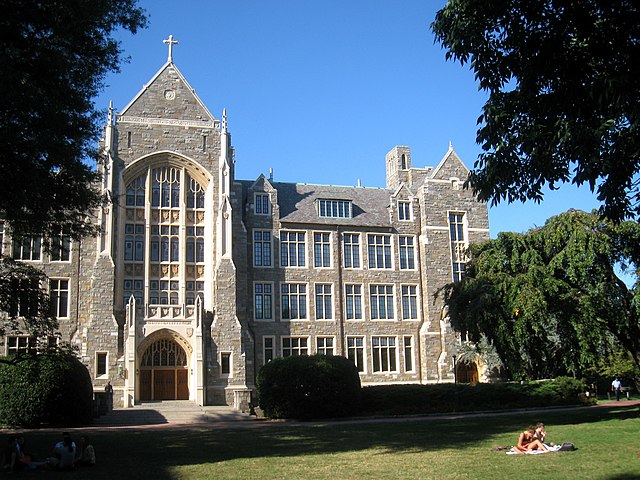
14. Georgetown University (DC)
International affairs, political science, law, and business come alive at Georgetown in ways they simply can’t elsewhere. Washington, D.C. functions less as a backdrop than as an extension of the curriculum itself.
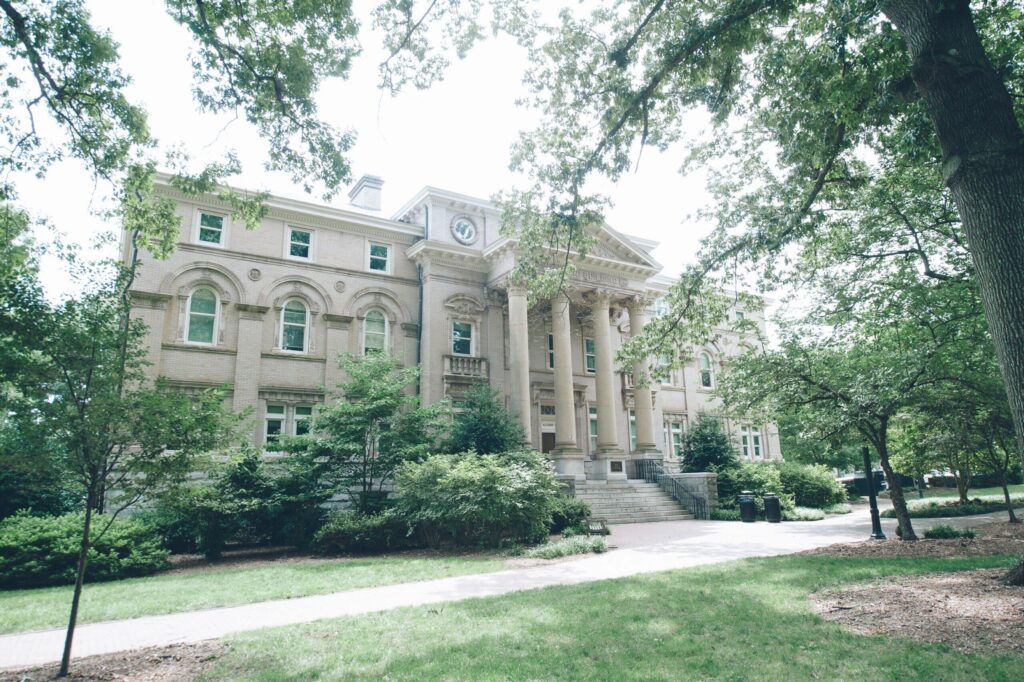
15. UNC Chapel Hill (North Carolina)
Set in one of the great classic college towns in America, UNC has earned its place among the best colleges in North Carolina with a serious academic reputation in business, journalism, public health, and medicine.
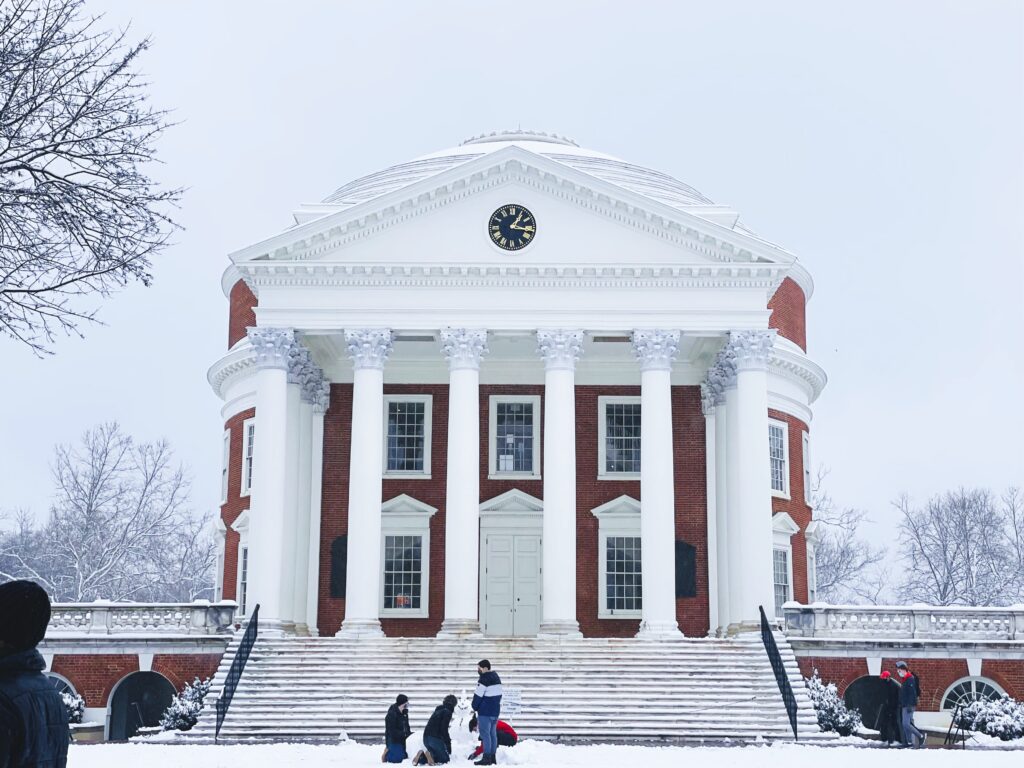
16. University of Virginia (Virginia)
The honor culture and deep sense of tradition shape campus life at UVA just as powerfully as its well-regarded programs in commerce, law, and politics, making this flagship institution one of the best colleges in Virginia.
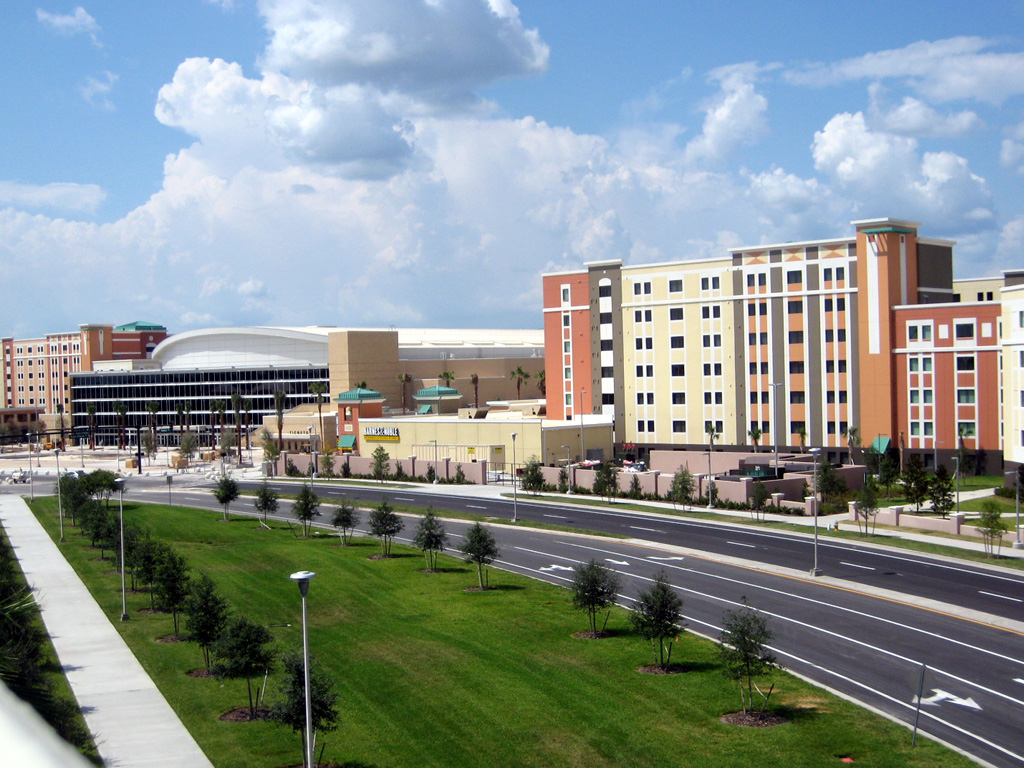
17. University of Florida (Florida)
With top programs in engineering, business, agriculture, and health sciences, UF is one of the best colleges in Florida, delivering the research infrastructure of a major flagship alongside the value of a public institution.
18. Georgia Tech (Georgia)
Consistently turning out some of the most career-ready graduates on the East Coast, Georgia Tech has built a national reputation in computer science, aerospace, and industrial engineering that rivals any private peer, cementing its place among the best colleges in Georgia.
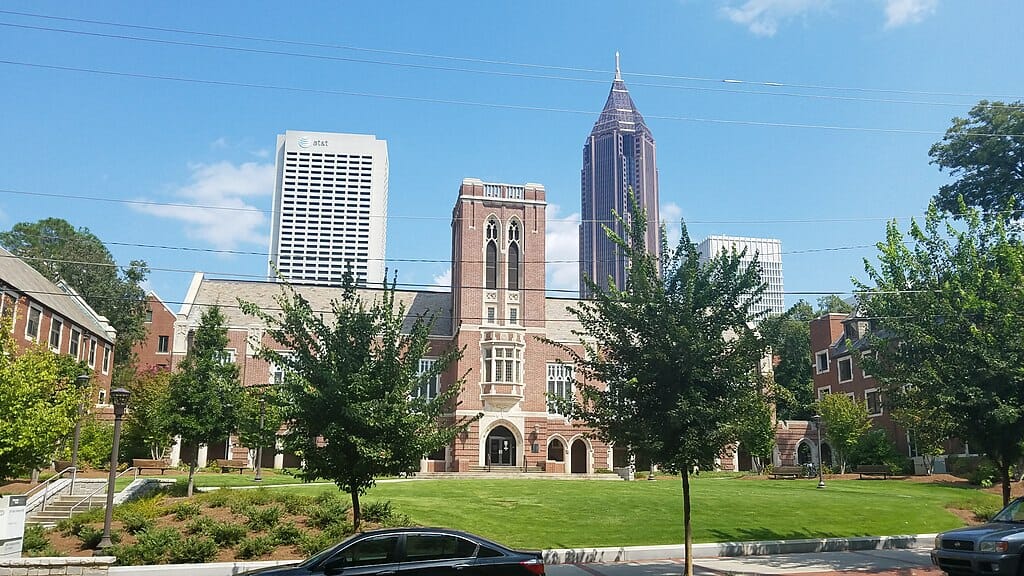
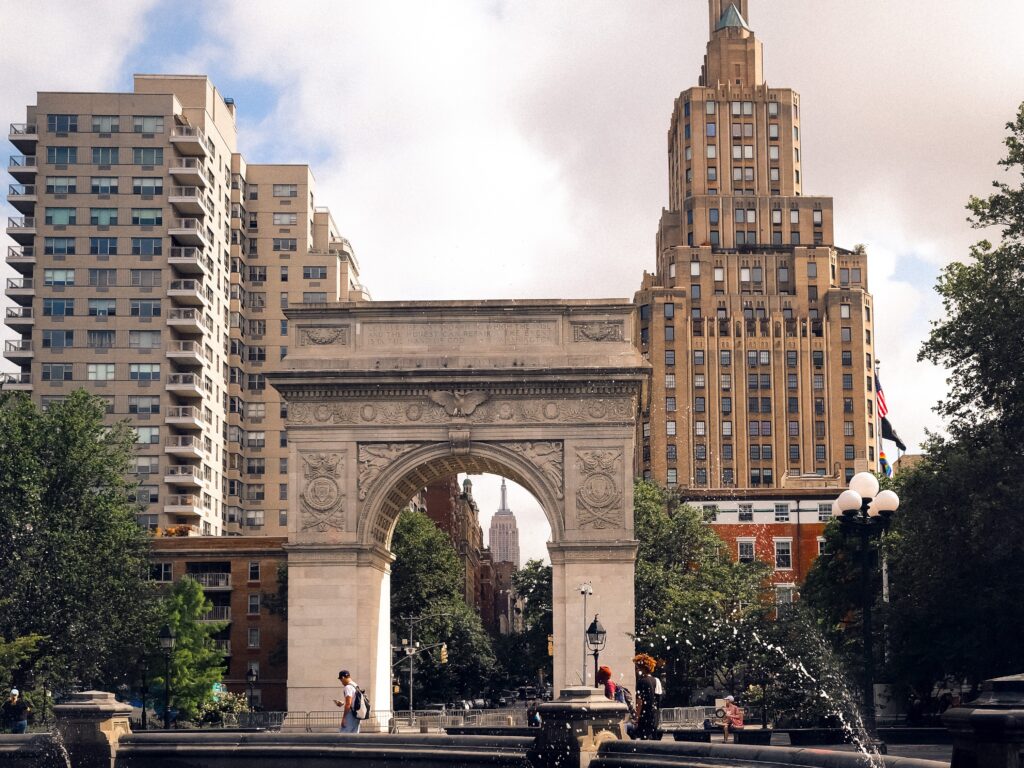
19. New York University (NYU)
Business, film, the arts, law, and medicine all draw students to NYU, but New York City itself functions as the real differentiator — a living classroom no traditional campus can replicate.
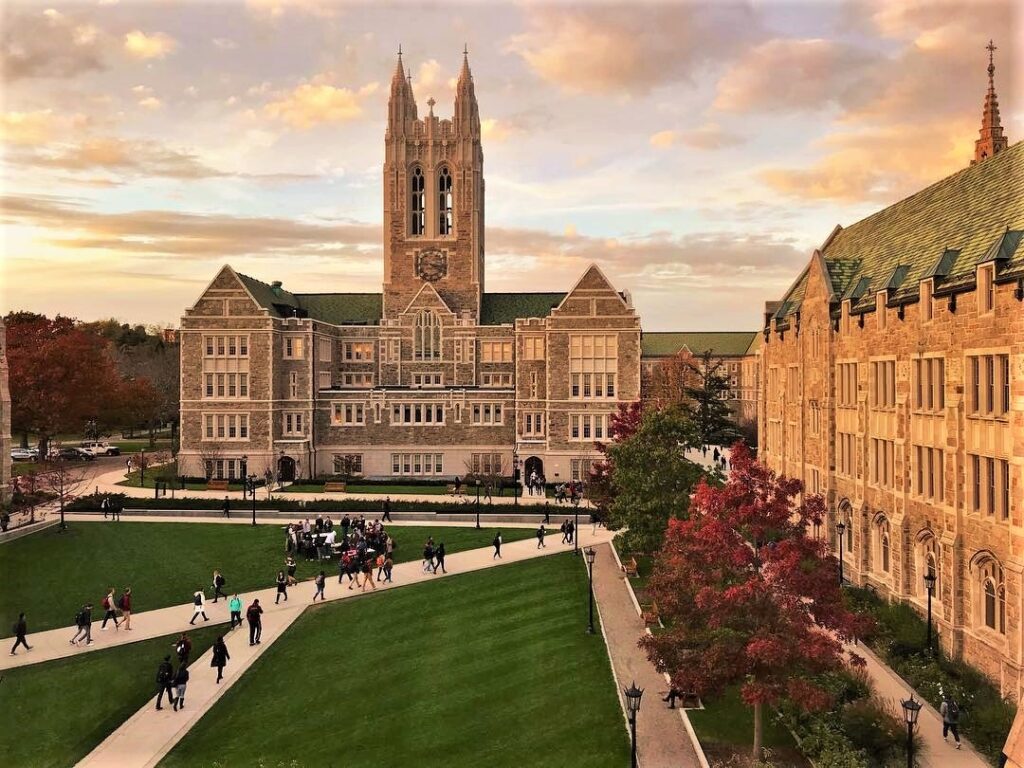
20. Boston College (Massachusetts)
Rooted in Jesuit tradition, Boston College weaves ethics and service throughout its curriculum. With particular depth in finance, accounting, education, and nursing on a tight-knit campus in Chestnut Hill, BS stands as one of many top colleges in the Northeast.
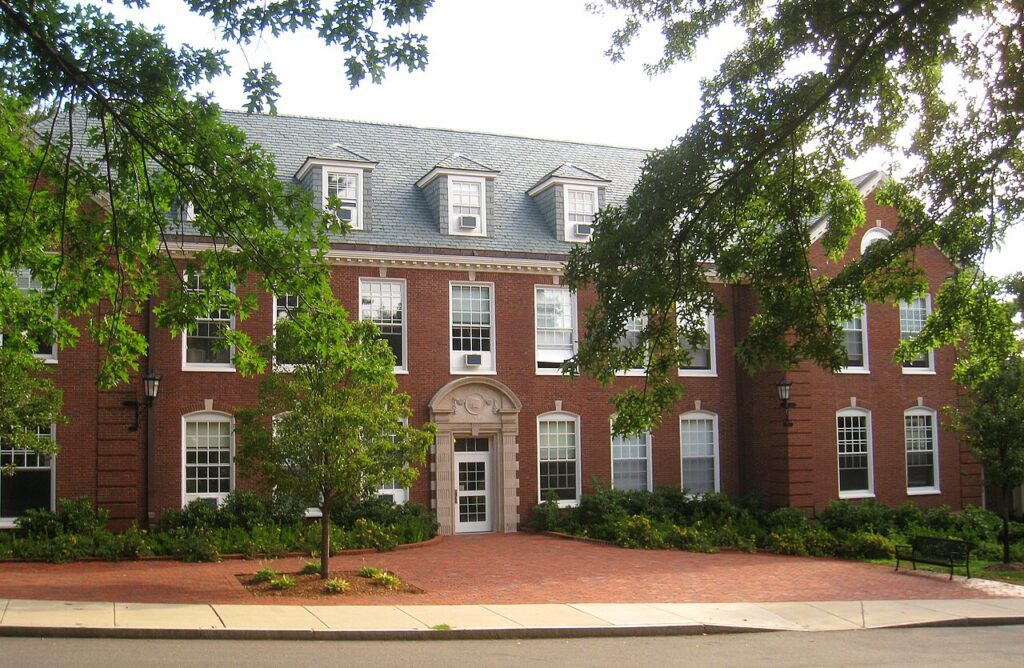
21. Tufts University (Massachusetts)
The Fletcher School of Law and Diplomacy gives Tufts a distinctive graduate anchor, while undergraduate programs in international relations, biology, engineering, and medicine help make the school one of the best colleges in Massachusetts.
22. Boston University (Massachusetts)
Another of the best colleges in the Northeast, few urban research universities match the sheer range BU offers — communications, engineering, business, public health, and the sciences — without sacrificing a cohesive campus identity along the Charles River.
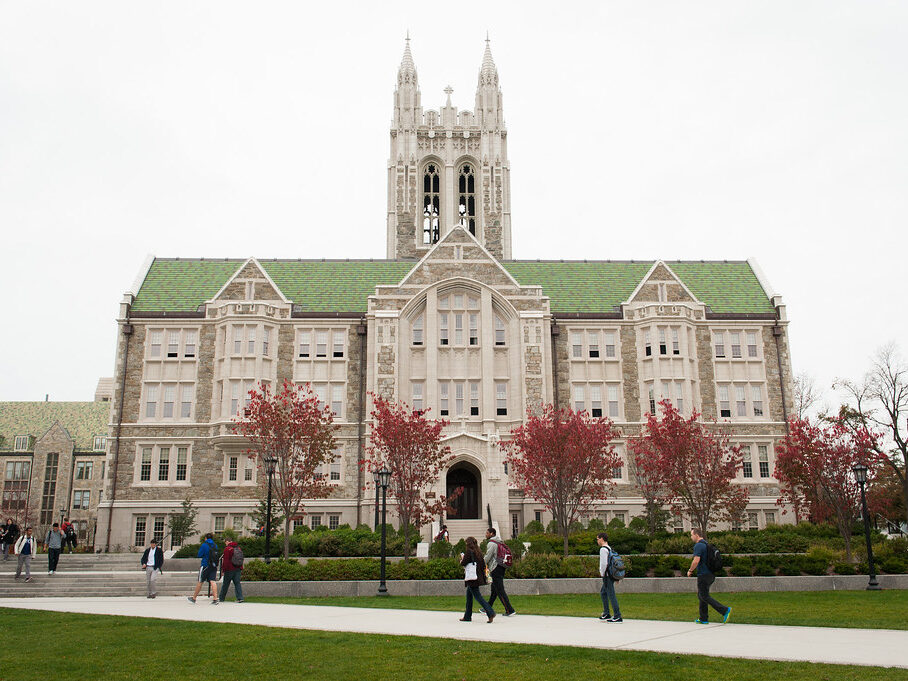
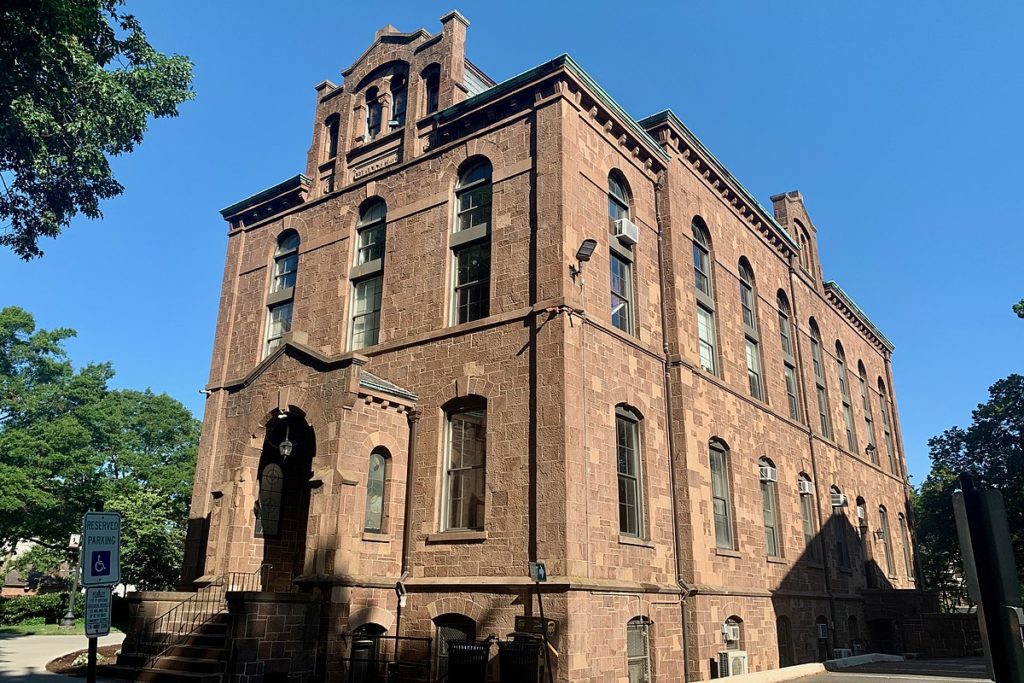
23. Rutgers University (New Jersey)
New Jersey’s public flagship and a Big Ten member, Rutgers stands among the best colleges in New Jersey, bringing genuine research depth to pharmacy, business, engineering, and the social sciences at a scale few East Coast universities can match.
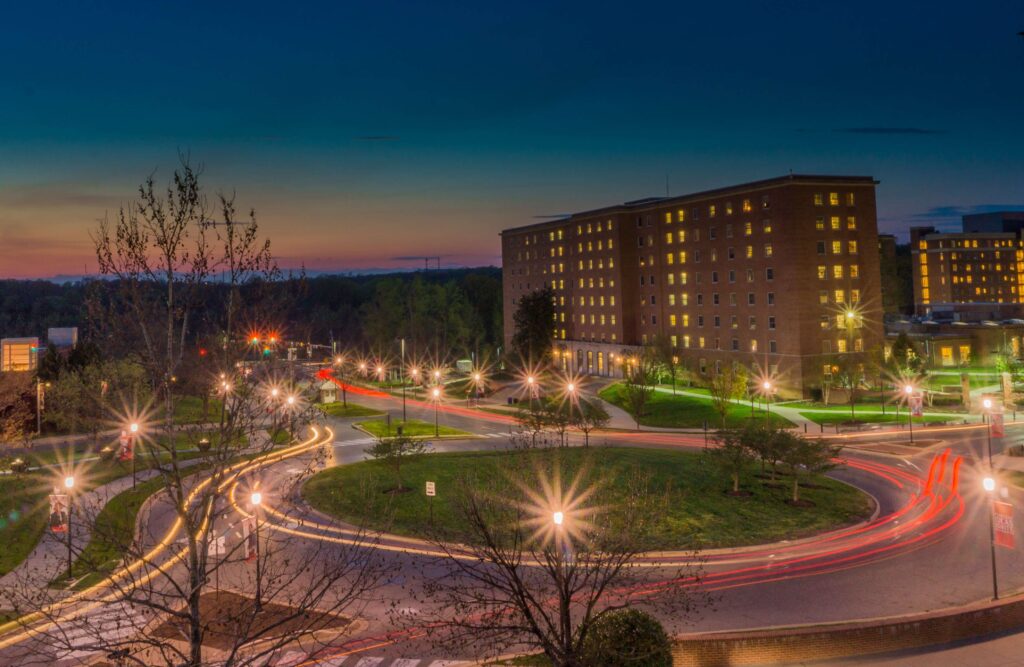
24. University of Maryland (Maryland)
Just outside Washington, D.C., the University of Maryland stands among the best colleges in Maryland, with unusually deep ties to federal agencies and policy institutions that directly enrich programs in engineering, computer science, journalism, and public policy.
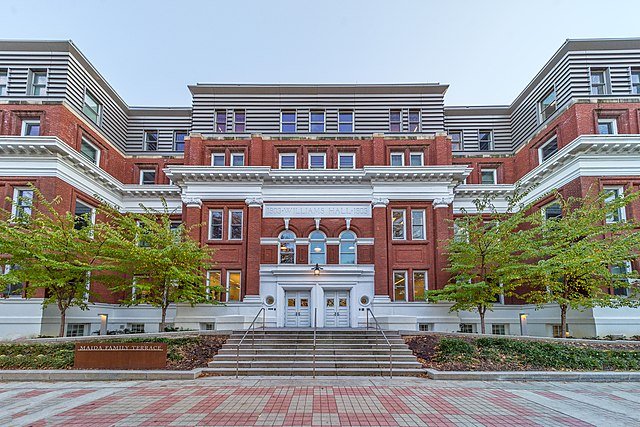
26. Northeastern University (Massachusetts)
The co-op program defines the Northeastern experience: students alternate between coursework and full-time professional work. This hands-on approach complements strong programs in computer science, engineering, and business.
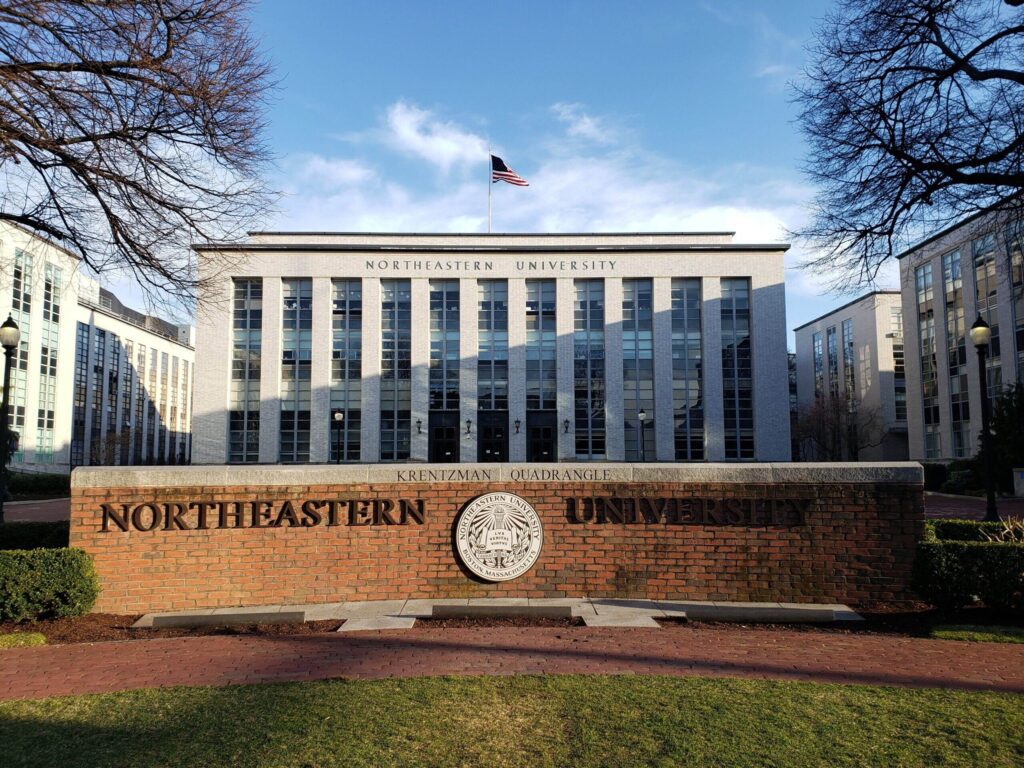
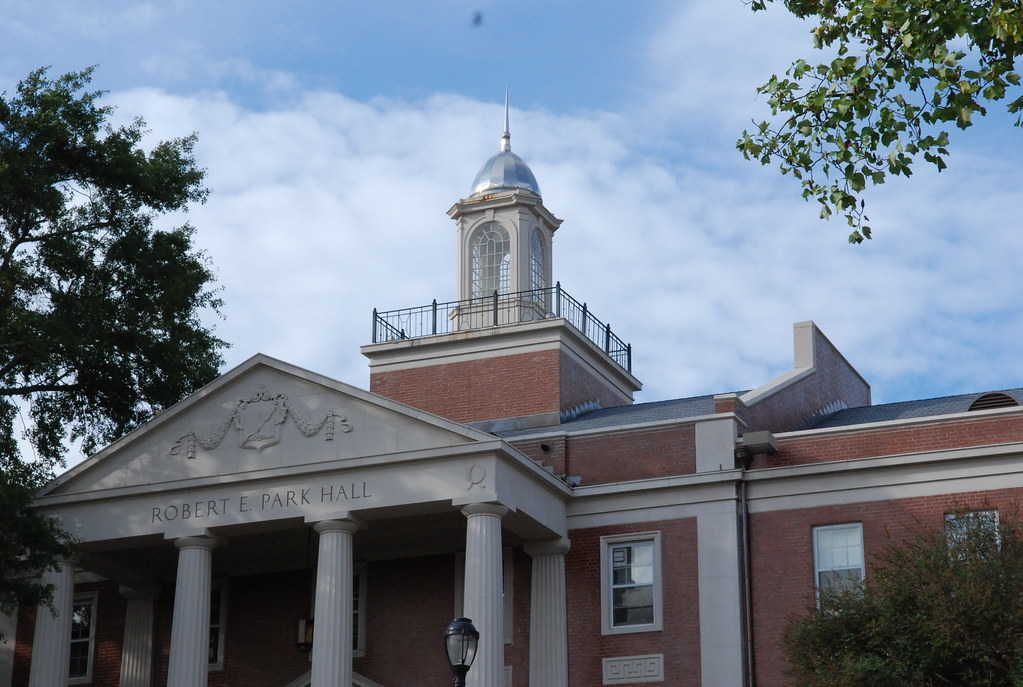
27. University of Georgia (Georgia)
Athens gives the University of Georgia one of the most vibrant college-town settings in the South, backed by strong academics in business, journalism, law, and agricultural sciences.
28. University of Rochester (New York)
The Eastman School of Music ranks among the country’s best conservatories, and optics, engineering, and medicine punch well above their weight at Rochester — all within an intimate research university environment in upstate New York.
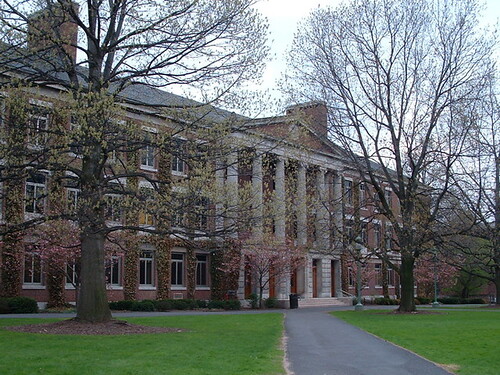
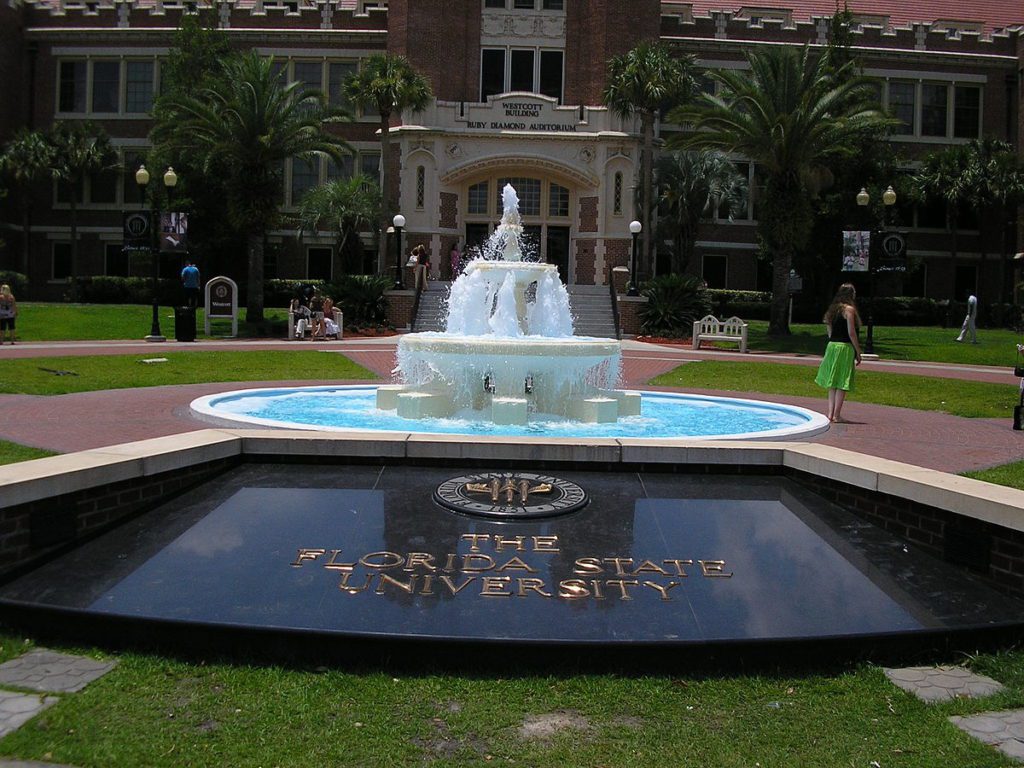
29. Florida State University (Florida)
Tallahassee may not grab the same headlines as other flagship campuses, but Florida State has quietly earned its place among the best colleges in Florida. Serious academic depth in business, law, and the social sciences coexists with one of the most passionate athletics cultures in the country.
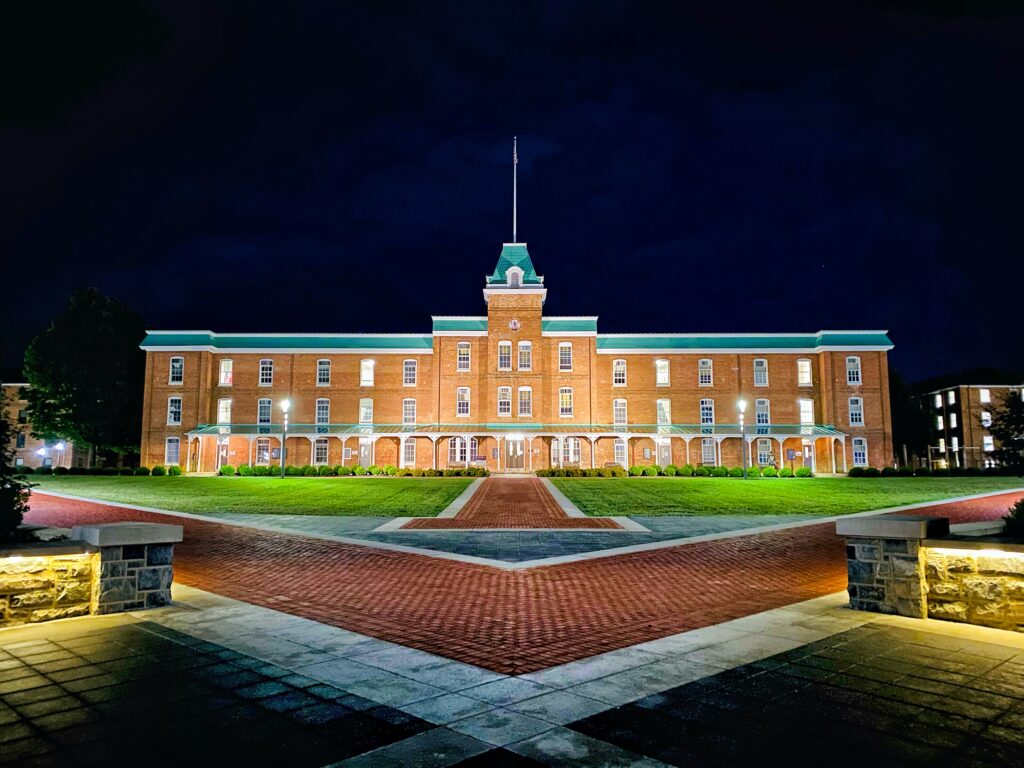
30. Virginia Tech (Virginia)
Engineering, computer science, architecture, and agriculture form the pillars of Virginia Tech’s academic identity, cementing its place among the best colleges in Virginia with consistently strong career outcomes.
East Coast Colleges: Public vs. Private
When comparing East Coast colleges, one of the most important decisions in your college search is choosing between public and private institutions. Both options describe some of the best colleges on the East Coast — in other words, there are great public and private East Coast universities. However, they offer distinctly different experiences in terms of academics, campus life, cost, and career outcomes.
Big Campus vs. Close-Knit Experience
Public universities on the East Coast, such as University of Virginia, University of North Carolina at Chapel Hill, and University of Florida, are known for their size and energy. These large campuses often enroll tens of thousands of students and offer:
- Hundreds of majors and interdisciplinary programs
- Extensive research facilities and funding opportunities
- Diverse course selections with flexibility to explore multiple interests
In contrast, private East Coast universities like Harvard University, Duke University, and MIT provide a more intimate academic setting. These colleges on the East Coast tend to emphasize:
- Smaller class sizes and discussion-based learning
- Direct collaboration with professors
- A stronger focus on mentorship and individualized academic pathways
For many students exploring East Coast colleges, this distinction comes down to needs and preferences. Students who prefer more personal guidance and collaboration both with peers and faculty may prefer smaller universities. On the other hand, students seeking a wide array of facilities, options, and opportunities might prefer larger universities.
Social Life and Campus Culture
The social experience can vary dramatically between public and private East Coast colleges.
At large public institutions, student life is often defined by:
- School spirit tied to major athletic programs
- Game days, traditions, and large campus events
- Greek life and a wide range of student organizations
These environments create a vibrant, high-energy atmosphere. They appeal to students seeking a classic “big college” experience at well known colleges on the East Coast.
Private colleges, on the other hand, often foster:
- Residential campus communities with strong peer connections
- Smaller, more tight-knit student organizations
- A culture centered around academic collaboration and intellectual engagement
Many students considering colleges in the Northeast or selective East Coast universities find that private institutions offer a more community-oriented environment. In contrast to some public universities, relationships with peers and professors play a central role in daily life.
Cost and Financial Value
Cost is one of the most critical factors when evaluating East Coast colleges.
Public universities typically offer a significant financial advantage for in-state students. For example, attending one of the best colleges in Connecticut or best colleges in South Carolina as a resident can dramatically reduce tuition costs. This makes public universities on the East Coast a high-value option for many families.
Private institutions, while often carrying higher sticker prices, can be more accessible than they initially appear. Many of the best East Coast colleges, including top Ivy League schools, offer:
- Need-based financial aid packages
- Grants that reduce or eliminate tuition for qualifying families
- Limited or no-loan financial aid policies
As a result, the actual cost of attending private East Coast universities can sometimes rival the cost of public schools. Depending on a student’s financial profile, it might even be less expensive to go to a private institution.
Career Pathways and Alumni Networks
Both public and private colleges on the East Coast provide strong career outcomes, but they often do so in different ways.
Public universities frequently dominate regional job markets. Graduates from large East Coast colleges often benefit from:
- Strong connections with local industries
- Extensive alumni bases within specific states or regions
- High recruitment from regional employers
Private institutions, especially elite East Coast universities and Ivy League schools, tend to offer:
- Access to global alumni networks
- Strong pipelines into competitive industries like finance, consulting, and tech
- Opportunities in niche or highly specialized fields
Ultimately, when comparing the best colleges on the East Coast, the choice between public and private comes down to fit. Some students thrive in the diversity of large public campuses, while others prefer the focused, mentorship-driven environment of private colleges.
Ivy League vs. Non-Ivy East Coast Colleges

When exploring East Coast colleges, many students naturally focus on the prestige of Ivy League schools. After all, these institutions are among the most recognized colleges on the East Coast. Nevertheless, it’s important to understand what the Ivy League actually represents, and what it doesn’t.
The Ivy League is made up of eight historic institutions in the Eastern United States, largely composed of well-known colleges in the Northeast. Ivy League schools like Harvard University, Yale University, and Princeton University are known across the world for their rigor and prestige. Their influential alumni networks include top-ranking business executives and government officials.
These Ivy League schools have helped shape the perception of the best colleges in the US, and they remain a central part of many students’ college search. However, attending an Ivy League institution is not the only path to academic or professional success.
Across the Eastern United States, many of the best East Coast colleges rival Ivy League schools in specific areas. Some schools are even considered public Ivies.
For example:
Williams College and Swarthmore College are top-tier liberal arts colleges known for small class sizes and close faculty mentorship
Boston University offers strong pre-professional programs and global opportunities
Georgia Institute of Technology, a public university, stands out among East Coast universities for engineering and technology
One key difference between Ivy League schools and other East Coast colleges lies in the academic and social structure.
Many Ivy League schools emphasize a traditional residential experience, where students live on or near campus for multiple years. Students participate in a broad liberal arts curriculum that encourages academic exploration and enrichment. Additionally, campus traditions and history play a central role in Ivy League student life.
In contrast, many non-Ivy League East Coast universities and liberal arts colleges offer more flexibility. Career-focused programs with built-in internships or co-ops are available; some schools even offer them as early as your first year. Students at these schools can often undertake interdisciplinary majors tailored to modern industries. There are also many opportunities to engage directly with faculty or research early on in one’s academic career.
Ultimately, the best colleges on the East Coast are not defined solely by the Ivy League label. While Ivy League schools offer undeniable prestige and resources, student success depends far more on personal fit. Prioritize suitability of academic programs, campus culture, career opportunities, and financial offerings.
Top East Coast Colleges by State
While many students focus heavily on colleges in the Northeast, outstanding colleges on the East Coast exist throughout the region. From the best colleges in Maine to the best colleges in South Carolina, options are plentiful. With that in mind, let’s break it down by state. Searching by state and region often helps students identify options that align with their academic goals, financial needs, and personality.
Below is a comprehensive list of top East Coast colleges organized by state:
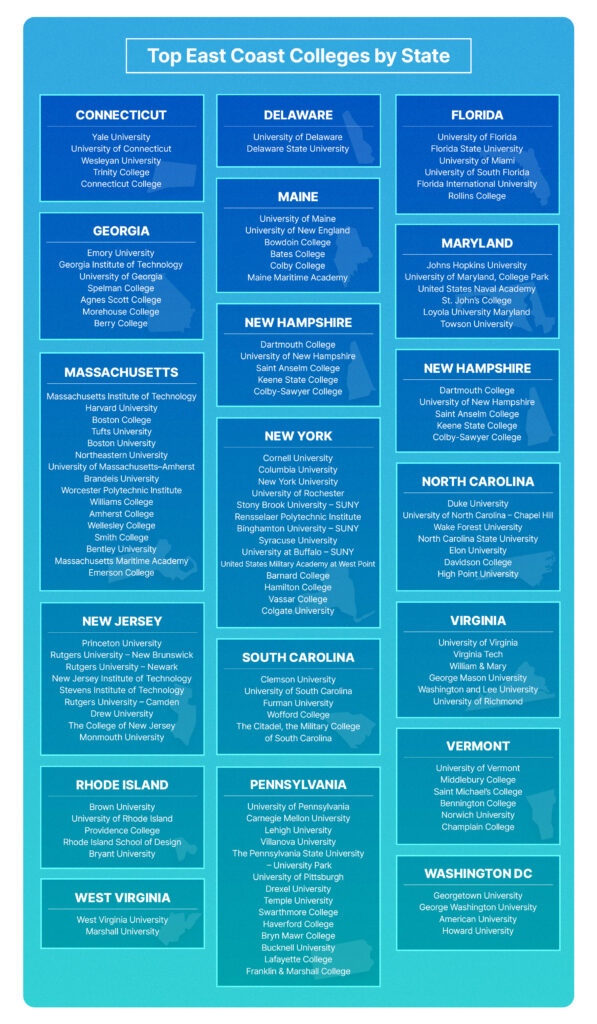
As you explore colleges on the East Coast, you may notice some trends. Certain states, especially those with many colleges in the Northeast like Massachusetts, New York, and Pennsylvania, have a higher concentration of top institutions.
This is not by chance. Several factors contribute to this pattern across the Eastern United States:
Historical concentration:
Many of the oldest and most prestigious East Coast colleges were founded in New England, creating long-standing academic hubs.
Population density:
Larger states can support more East Coast universities, increasing both competition and opportunity.
State investment:
Public funding in states with strong higher education systems leads to better facilities, research opportunities, and academic programs.
Academic ecosystems:
Clusters of colleges on the East Coast can share resources, in turn encouraging collaboration and innovation.
Understanding these patterns can help you approach your college search more strategically. Whether you’re considering the best colleges in Massachusetts, the best colleges in New York, the best colleges in Pennsylvania, or expanding your search to the best colleges in Georgia, Florida, or North Carolina, each state offers unique advantages.
Best East Coast Colleges by Major
As you explore East Coast colleges, identify schools that are strong in your intended field of study. Of course, many colleges on the East Coast are well-rounded and rank among the best colleges in the US. At the same time, certain institutions stand out for specific majors due to faculty expertise, research funding, industry connections, and specialized programs.
Below is a curated list of some of the best East Coast colleges by major:
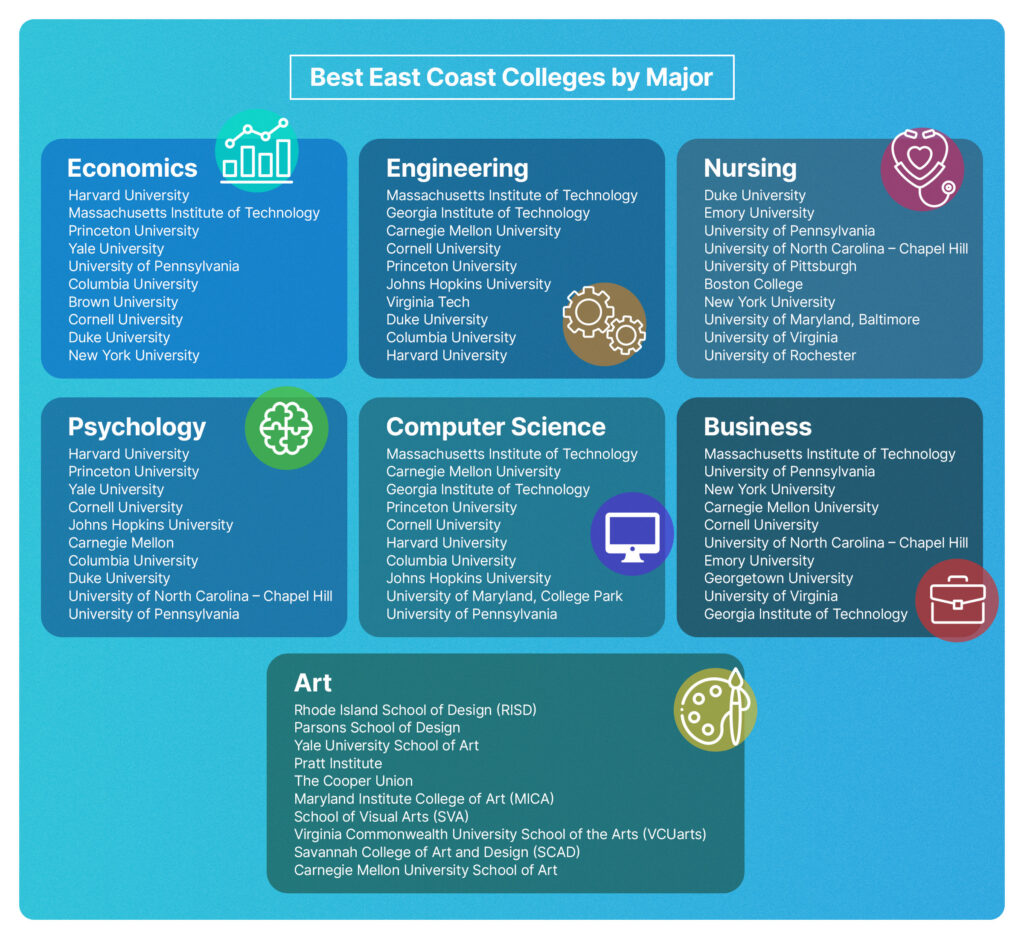
Rather than focusing only on rankings, students should prioritize fit. The best East Coast colleges for you will be those that align with your intended major, and support your long-term career goals. Look for schools that provide interesting opportunities for hands-on experience and mentorship.
East Coast Colleges with the Best Campuses
When evaluating East Coast colleges, academics are only part of the equation. Campus environment plays a major role in shaping a student’s day-to-day experience, influencing everything from social life to mental well-being. Across the Eastern United States, many colleges are known not just for their academic strength, but for their stunning campuses. Many East Coast colleges feature historic architecture, scenic landscapes, and thoughtfully designed student spaces.
Below is a curated list of East Coast colleges known for having some of the most beautiful and engaging campuses:
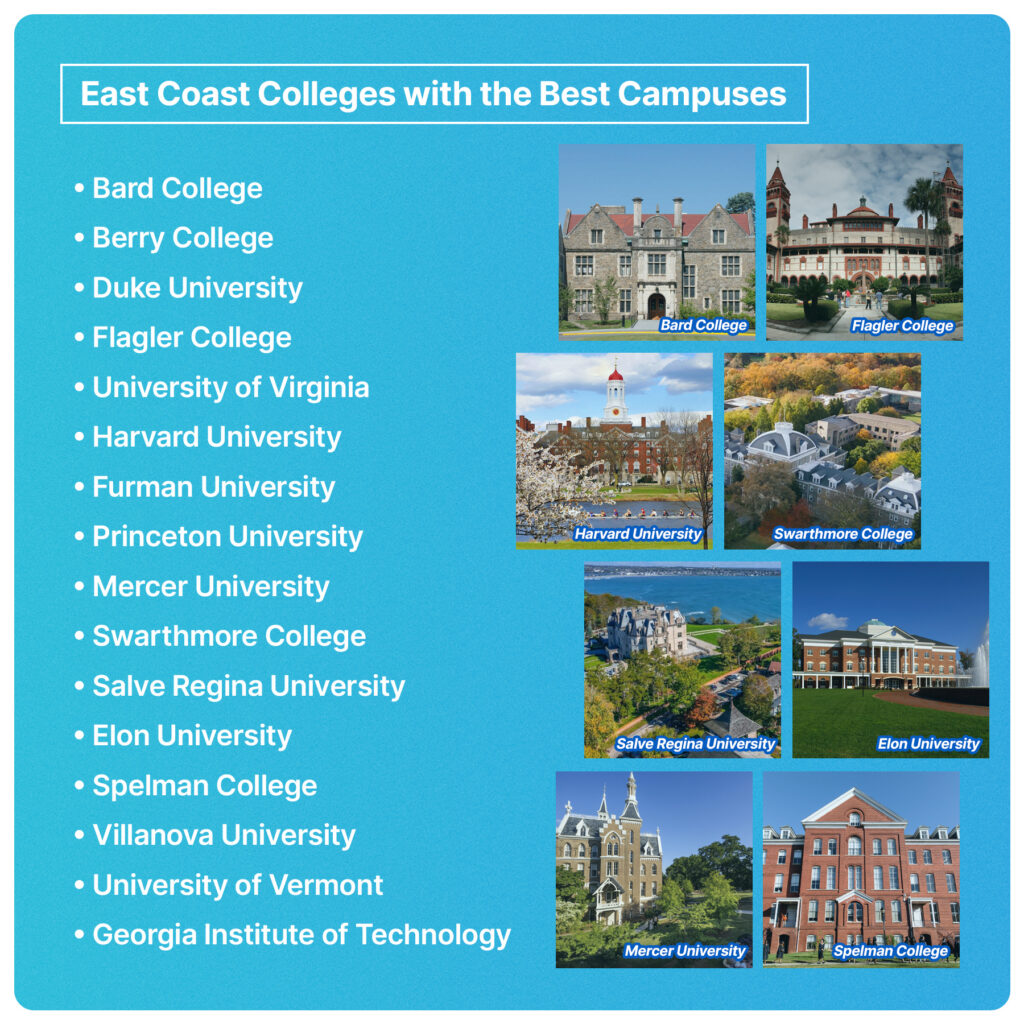
As you continue your college search, don’t underestimate the importance of campus feel. The best colleges on the East Coast are not just places where you study. They’re places where you live, grow, and build lasting connections. Choosing a campus environment that aligns with your preferences can make a meaningful difference in your overall college experience.
What to Consider Before Applying to East Coast Colleges
As you narrow down your list of East Coast colleges, it’s important to look beyond rankings and focus on fit. A thoughtful college search should consider how each school aligns with your lifestyle, academic goals, and long-term plans.
4 Considerations for Choosing East Coast Colleges

1. Location and campus culture
Colleges on the East Coast range from fast-paced urban campuses in cities like New York and Boston to quieter, small-town environments. Think about whether you want quick access to diverse internships, culture, and city life, or a more close-knit campus community.
2. Academic experience
Not all East Coast universities offer the same learning environment. Some emphasize large lectures and research opportunities; others, especially liberal arts colleges, focus on small class sizes and discussion-based learning. Access to professors, internships, and hands-on research can significantly shape your day-to-day experience.
3. Admissions expectations
Many of the best colleges on the East Coast are highly selective. Applicants need strong GPAs, rigorous coursework, competitive test scores (when required), and meaningful extracurricular involvement. Admissions teams at top colleges on the East Coast also value leadership, initiative, and a clear sense of purpose.
4. Cost and long-term value
Understanding cost is critical when evaluating East Coast colleges. Public universities on the East Coast may offer in-state tuition advantages, while private schools often provide generous financial aid. Be sure to weigh tuition and living expenses against long-term benefits like internships, alumni networks, and career opportunities after graduation.
East Coast Colleges – Final Takeaways
The best colleges in the Northeast offer an unmatched combination of academic excellence, diverse campus experiences, and career opportunities across the Eastern United States. From elite Ivy League schools to innovative public universities and top-tier liberal arts colleges, there are strong options for every type of student.
As you continue your college search, remember that the best colleges in the US aren’t defined by prestige alone — they’re defined by fit. The right choice is the one that supports your goals, challenges you academically, and helps you grow personally and professionally.Are you interested in specific fields like environmental science or want guidance navigating colleges on the East Coast? CollegeAdvisor can help you explore your options, build a strong application, and find the schools that best match your future.

This article was written by Ashley Hollins. Looking for more admissions support? Click here to schedule a free meeting with one of our Admissions Specialists. During your meeting, our team will discuss your profile and help you find targeted ways to increase your admissions odds at top schools. We’ll also answer any questions and discuss how CollegeAdvisor.com can support you in the college application process.