



Top Environmental Science Colleges
Environmental science is a fast-growing field that addresses urgent issues like climate change, pollution, conservation, and renewable energy. For science-loving students who care about protecting the planet, choosing amongst the best environmental science colleges is a life-changing decision.
In this guide, we’ll explore what environmental science is, the importance of environmental science, and programs at the best environmental science schools. We’ll also compare environmental studies vs. environmental science, and highlight key environmental science courses and skills. Of course, we’ll also provide a look at the top environmental science schools in the US and answer the question, “What can you do with an environmental studies degree?” Finally, we’ll cover tips for choosing the right program and key takeaways for future students.
By the end, you’ll have a clear understanding of the importance of environmental science and how to begin working toward meaningful environmental science careers. Before getting into our list of the best environmental science schools in the US, let’s start with a brief overview of the field.
What is environmental science?
Environmental science courses combine natural sciences like biology, chemistry, geology, and physics with elements of social science and policy. Students at the best environmental science schools study how humans interact with the natural world to address problems such as climate change and food and water insecurity. Many environmental science colleges emphasize this applied, hands-on approach to learning. The importance of environmental science lies in its ability to apply science to protect environments and promote sustainability.
You may be wondering about environmental studies vs. environmental science. We’ll talk more in depth about environmental studies vs. environmental science later, but for now, here’s the short version. As the name implies, environmental science is typically more science-heavy, focusing on environmental systems and phenomena. On the other hand, environmental studies tends to be more interdisciplinary, often covering interactions between humans and the environment. This environmental studies vs. environmental science distinction is not universal, however; some institutions use these terms interchangeably.
At many environmental science colleges, students take environmental science courses that blend laboratory science, field research, and policy analysis. This broad approach prepares students to address both scientific and societal aspects of environmental challenges, emphasizing the importance of environmental science in driving policy, tech, and human behavior.
Why study environmental science?
The urgency of climate change and global sustainability makes environmental science one of the most relevant majors today. From developing renewable energy technology to creating conservation strategies, environmental scientists work on the front lines of change. Environmental science colleges provide the training to get there, plus the professional development resources to get ahead in your career.
Students often choose this field because of the importance of environmental science and the desire to make a difference. On a personal level, studying at environmental science colleges also develops critical thinking, problem-solving, and data analysis skills. Any one of these is valuable in a wide range of careers; combined, they’re a powerful skillset. Whether you’re more interested in environmental studies vs. environmental science programs, the best environmental science schools offer flexible options to explore various ways to apply your skills.
Types of Environmental Science Programs

Environmental science colleges offer a variety of programs. An undergraduate major at the best environmental science schools can be offered as a Bachelor of Arts (BA) or a Bachelor of Science (BS). A BA program usually emphasizes social science, policy, and humanities. Meanwhile, a BS program is more science-heavy, with lab work and quantitative environmental science courses.
Master’s degrees
At the graduate level, students at environmental science colleges can pursue Master’s degrees that allow for specialized study or research. As a graduate student, you can focus heavily on areas such as climate policy, sustainable energy, or ecological research. The best environmental science schools often include internships, fieldwork, or capstone projects that prepare graduates for leadership roles. Some top environmental science schools also integrate themes from both environmental studies and environmental science, blending scientific and policy research.
Ph.D. programs
Doctoral programs at leading environmental science colleges provide the highest level of training. Doctoral students at the best environmental science schools typically conduct original research and contribute new knowledge to the field. Some go on to influence policy or teach the importance of environmental science at the university level.
Some of the top environmental science schools also offer interdisciplinary programs like environmental engineering, sustainability studies, or environmental policy, giving students the flexibility to align their environmental science courses with their career interests.
Environmental Studies vs. Environmental Science
Students often wonder about the difference between environmental studies vs. environmental science. While the terms are related, they represent distinct academic paths. At many environmental science colleges, both options are available.
Environmental science focuses on the natural sciences, including biology, chemistry, geology, physics, and math. Students learn through lab research, field studies, and data analysis, preparing for careers in scientific research, conservation, or environmental engineering.
Environmental studies blends science with the humanities and social sciences. This track emphasizes environmental science topics like environmental policy, ethics, history, and advocacy. Students often pursue careers in law, policy-making, community organizing, or nonprofit work.
Both degrees can lead to meaningful careers, but the main distinction lies in science vs. policy orientation. Some environmental science colleges combine the two, allowing students to choose concentrations or electives that match their interests. For example, one of the best environmental science schools may require science-based environmental science courses while offering classes in environmental ethics or policy. By understanding environmental studies vs. environmental science, students can better plan their long-term career paths.
Examples of environmental science courses
Coursework at environmental science colleges is broad, interdisciplinary, and hands-on. Students enrolled at environmental science colleges gain a foundation in natural sciences while also developing applied skills. Let’s look at some common environmental science courses and what they’re about.
- Ecology focuses on understanding interactions between organisms and ecosystems.
- Environmental chemistry is the study of chemical processes that impact air, soil, and water.
- Geology and climatology is the examination of earth systems and climate patterns.
- Hydrology involves analysis of water resources and aquatic systems.
- Geographic information systems (GIS) teaches students how to use mapping and spatial data analysis to study environmental patterns.
While the curriculum usually focuses on environment and sustainability, programs at environmental science colleges also include experiential learning. Fieldwork, capstones, and internships with government agencies or NGOs prepare students for careers after graduation. In addition, many of the top environmental science schools encourage interdisciplinary electives such as environmental economics, ethics, or sociology. By taking a wide range of courses, students get a well-rounded view of sustainability challenges.
Who should study environmental science?
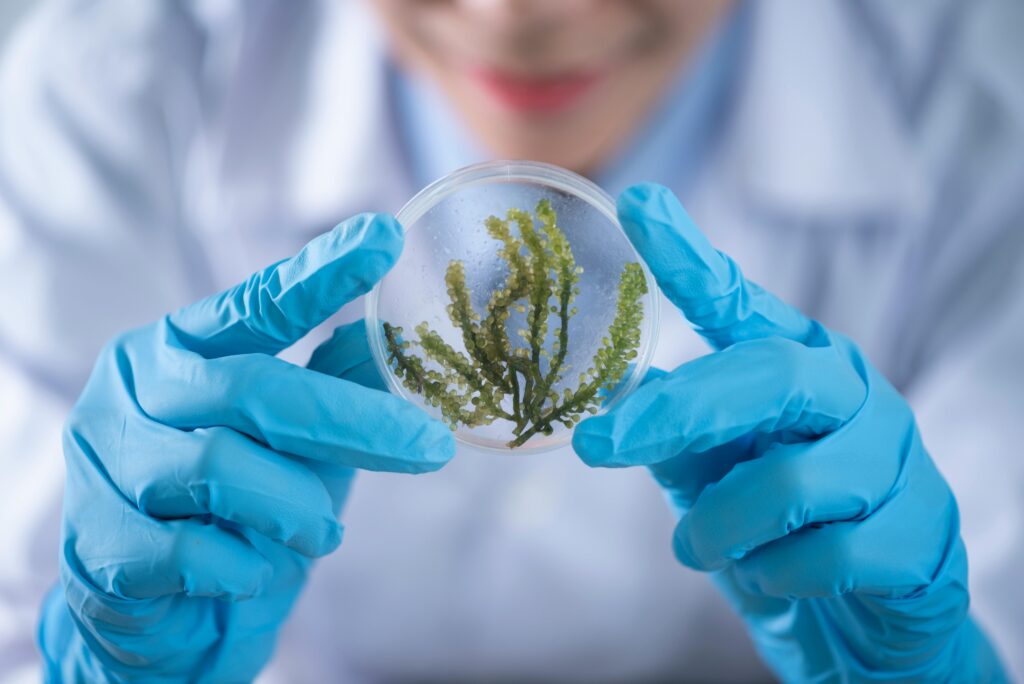
Environmental science is a great choice for students who are curious, analytical, and passionate about the environment and solving real-world problems. The best environmental science colleges attract students with these qualities. Do you enjoy environmental science topics and want to apply that knowledge to pressing environmental issues? This major could be a strong fit.
The ideal student thrives in both fieldwork and lab work, enjoys analyzing data, and does not mind tackling complex, interdisciplinary problems. Collaboration is also key. Environmental challenges rarely have one solution, so many environmental science colleges also encourage collaboration with policymakers, scientists, and community leaders. Not to mention that environmental research is rarely undertaken alone, often requiring time in the field with small teams.
For students who are more interested in advocacy, social justice, or policy, an environmental studies program may be a better fit. But for those who love science and want to use it to address climate change, conservation, or sustainability, environmental science provides the right foundation.
Is environmental science hard?
Like other STEM majors, environmental science is rigorous and demanding. Students at the top environmental science schools study across multiple disciplines. This means you’ll need strong critical thinking and problem-solving skills.
For some, environmental science can be challenging because it requires both scientific precision and the ability to connect science to human issues. Fieldwork may involve long hours outdoors, while lab work requires attention to detail and technical expertise.
Programs at environmental science colleges may vary in difficulty, with BA tracks being more policy-focused and BS tracks more research-heavy. Like many STEM fields, personal passion for the subject matter can go a long way. Students motivated by the importance of environmental science often find the work rewarding despite the academic rigor.
Top 15 Environmental Science Colleges
When researching environmental science colleges, it is important to consider not only rankings but also faculty expertise, program strengths, and experiential learning. Below are 15 of the best environmental science schools in the US.
15 Top Environmental Science Colleges
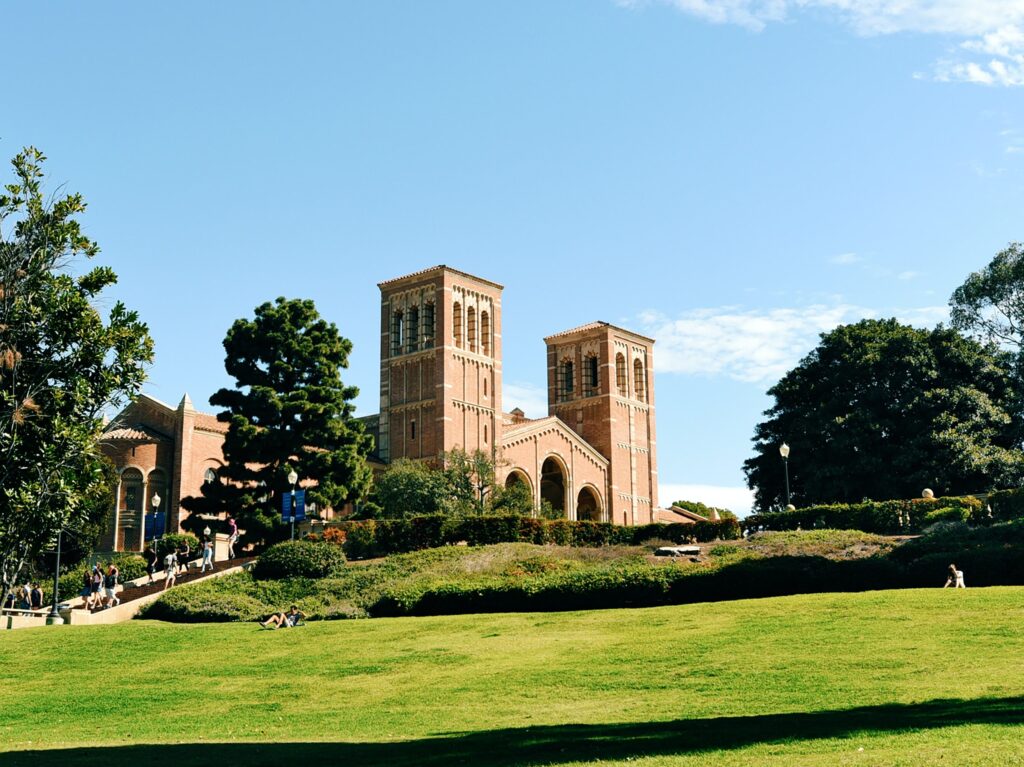
1. University of California, Berkeley
Located in the San Francisco Bay Area, UC Berkeley is internationally recognized as one of the best environmental science schools. U.S. News specifically highlights its leadership in sustainability research. Students here have access to programs in conservation biology, energy policy, and environmental engineering. Berkeley’s College of Natural Resources provides fieldwork opportunities across California.
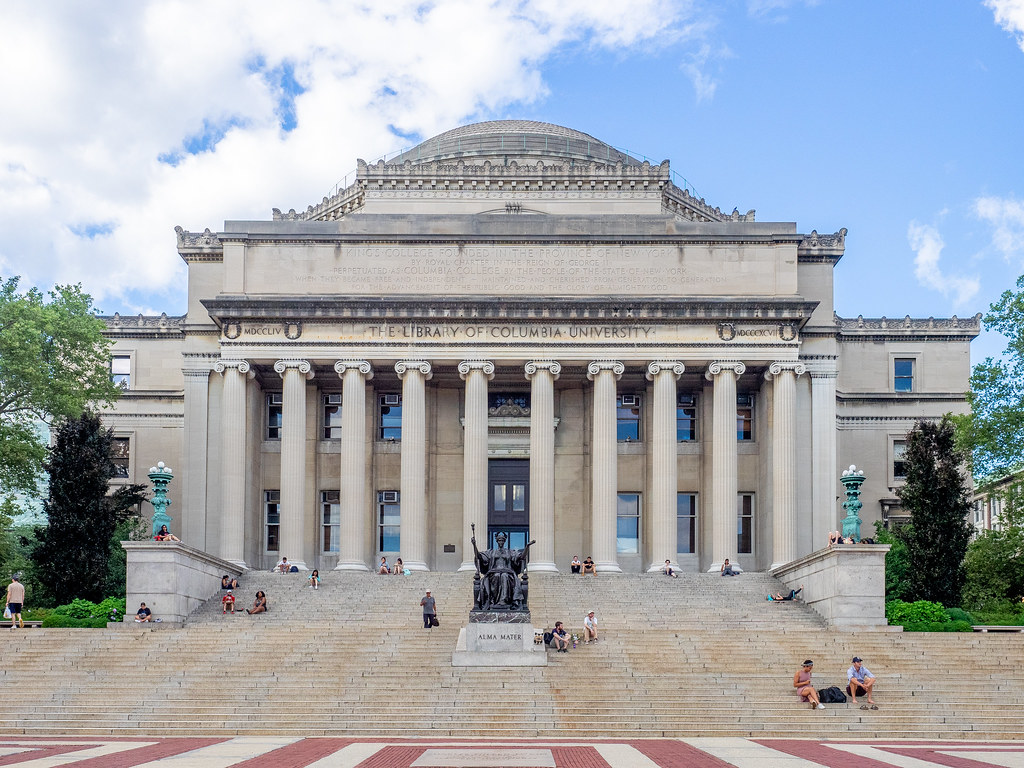
2. Columbia University
The Earth Institute at Columbia places the school at the forefront of environmental science and sustainability. Students study climate science, public health, and environmental justice in New York City, one of the world’s most dynamic urban labs. Field research extends globally, with projects in Africa, Asia, and Latin America.
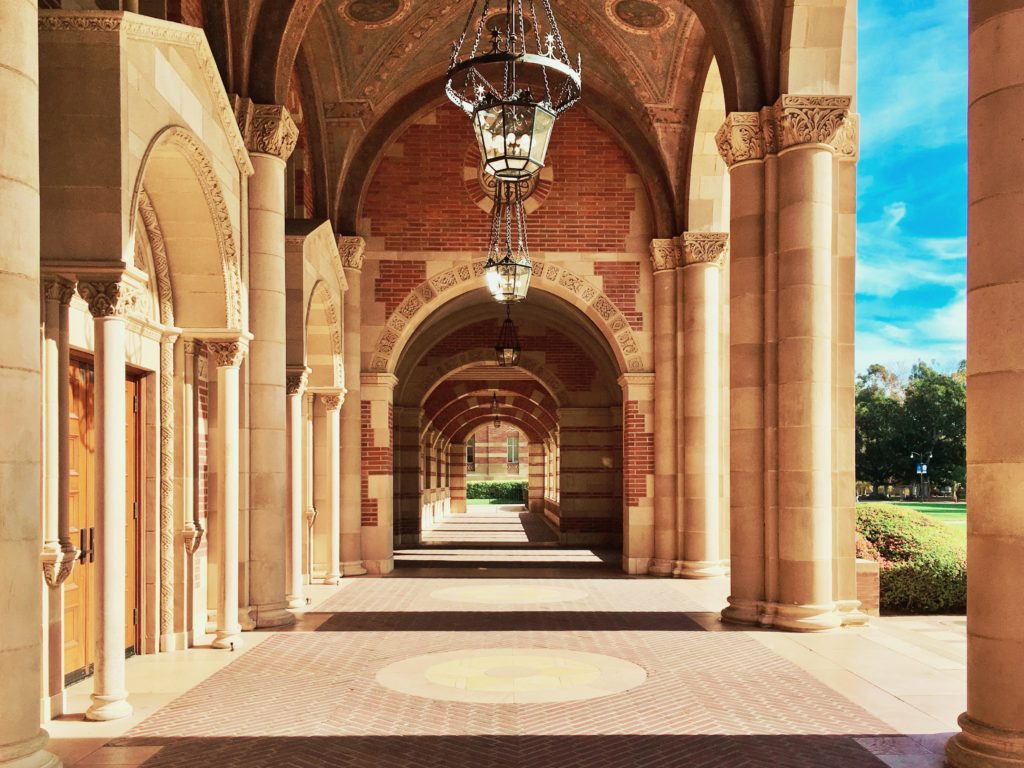
3. University of California, Los Angeles (UCLA)
The Institute of the Environment and Sustainability at UCLA offers students a wide range of opportunities in conservation, sustainability, and urban environmental studies. With access to California’s diverse ecosystems, students gain hands-on fieldwork experience in coastal, desert, and forest settings. The program supports interdisciplinary research and provides internship opportunities with local government and nonprofit organizations.
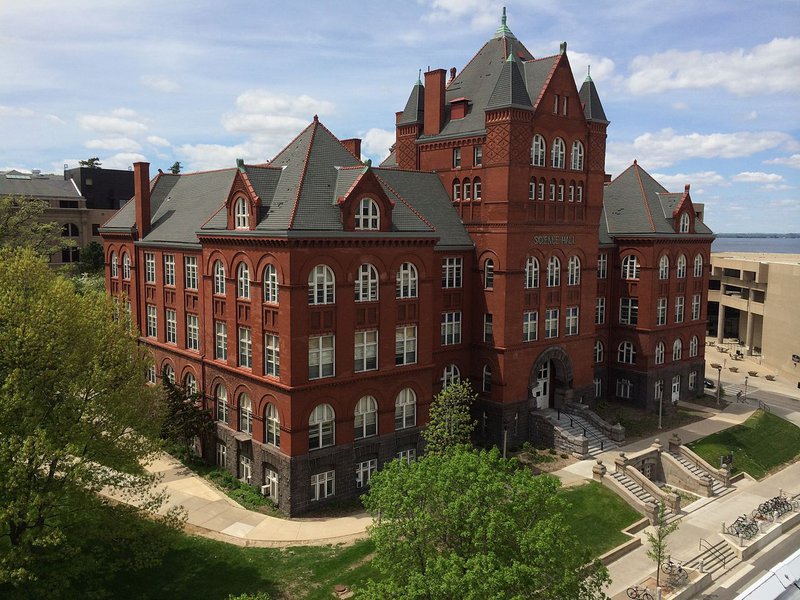
4. University of Wisconsin – Madison
UW–Madison is known for its strong tradition of environmental research, especially in ecology and conservation biology. Students benefit from the Nelson Institute for Environmental Studies, which integrates natural sciences with policy and social sciences. The campus itself is a hub of sustainability, with student-run initiatives promoting renewable energy and waste reduction.

5. University of Florida
At the University of Florida, students explore environmental issues tied to water resources, agriculture, and climate change. With Florida’s diverse ecosystems including wetlands, coastlines, and forests, students gain extensive field experience. UF’s School of Natural Resources and Environment encourages interdisciplinary study, and research often focuses on resilience to climate change in coastal regions.
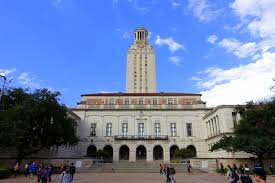
6. University of Texas at Austin
Ranked #6 on the list of best environmental science schools, UT Austin offers a Bachelor of Science in Environmental Science. The curriculum covers various fields, including geology, biology, and geography. Students work closely with faculty on research projects related to water resources, climate change, and land use. Austin’s vibrant tech and sustainability scene also provides internship opportunities with green energy companies and nonprofits.
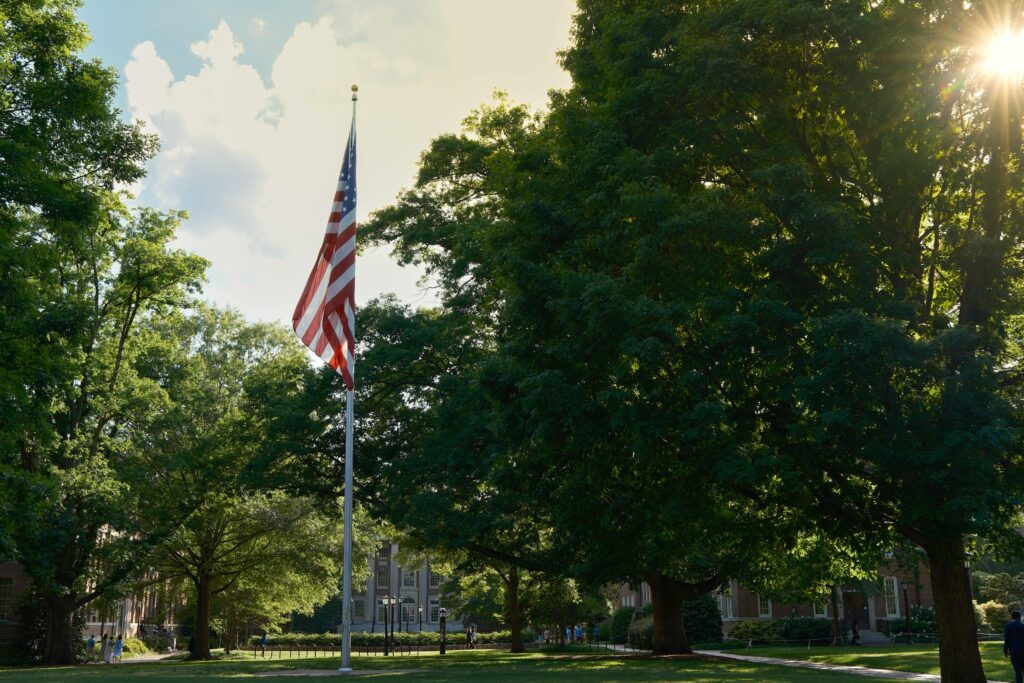
7. University of North Carolina – Chapel Hill
For students looking for strong programs in ecology, marine science, and environmental health, look no further than UNC Chapel Hill. Here, students benefit from research opportunities at the Institute for the Environment, which emphasizes sustainable communities and environmental justice. Proximity to North Carolina’s coastlines and forests allows for rich fieldwork experiences.
8. Brown University
The open curriculum at Brown allows students to design their own path within environmental science, offering flexibility for interdisciplinary thinkers. Students study sustainability, climate change, and biodiversity, while also taking advantage of strong programs in environmental humanities. Brown’s focus on student-led research projects makes it ideal for those who want independence in their studies.
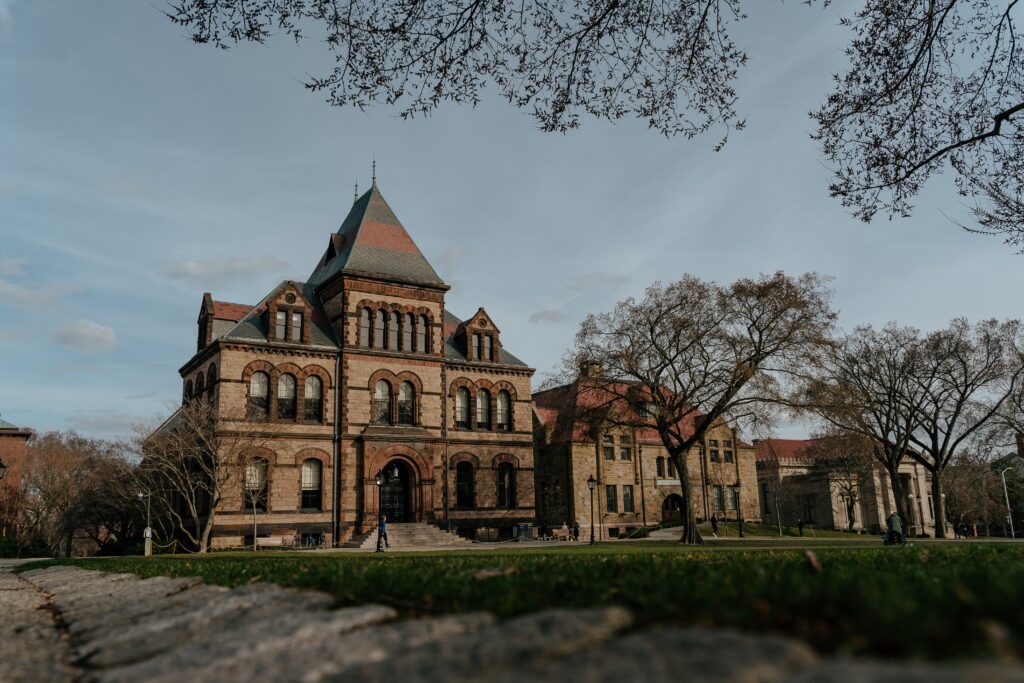
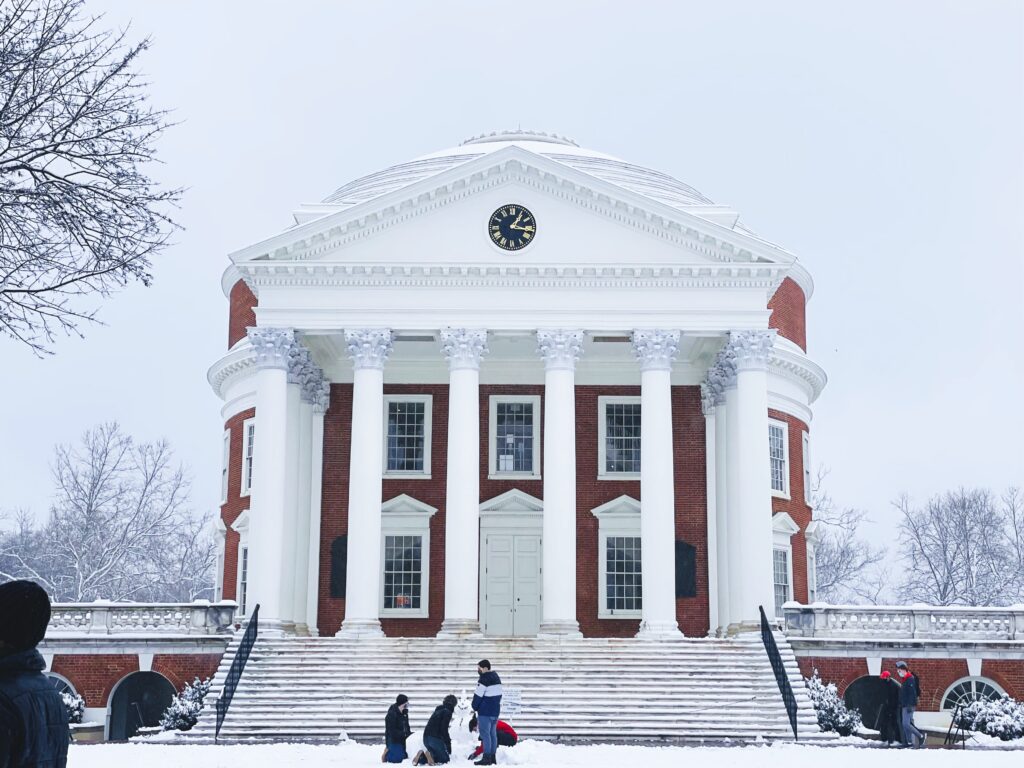
9. University of Virginia
Located in Charlottesville, UVA emphasizes sustainability on campus and in research. Students can major in environmental science while also engaging in hands-on work through the Blandy Experimental Farm and Shenandoah National Park. The university also supports projects in environmental data science and climate change mitigation.
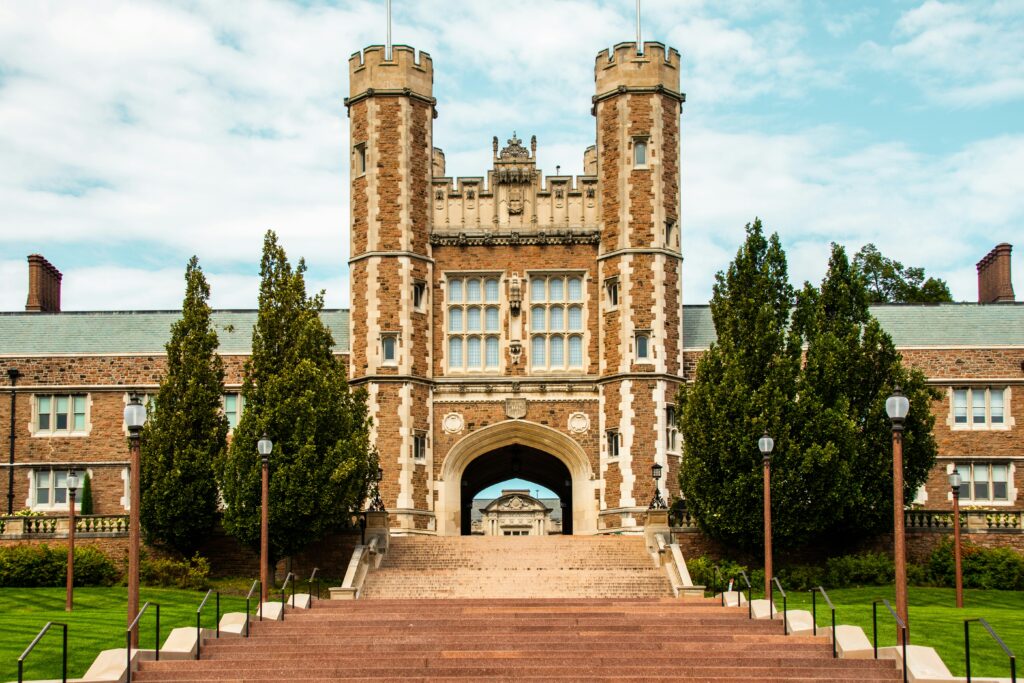
10. Washington University in St. Louis
WashU offers both an environmental science and environmental analysis major, accommodating a range of goals. The school’s environmental programs emphasize sustainability, global climate challenges, and energy research. Students have opportunities to intern with local organizations addressing urban environmental issues in St. Louis.
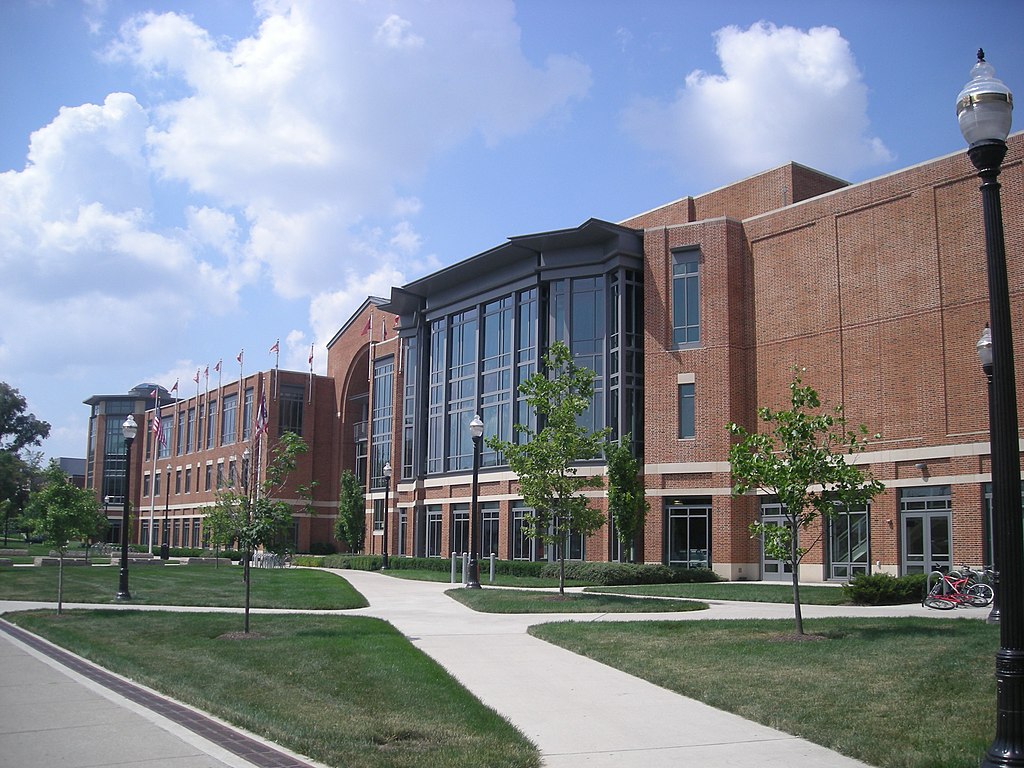
11. Ohio State University
In Columbus, Ohio, OSU provides extensive research facilities, including field stations and environmental research centers across Ohio. Students can specialize in restoration, molecular science, soil resources and sustainability, and water science. With a large alumni network and industry partnerships, OSU offers strong career pathways in both government and private sectors.
12. Rutgers University – New Brunswick
The School of Environmental and Biological Sciences at Rutgers is well-known for its environmental programs, with options to specialize in either environmental sciences or applied environmental sciences. Located near the Jersey Shore and New York City, Rutgers gives students access to both coastal ecosystems and urban research opportunities.
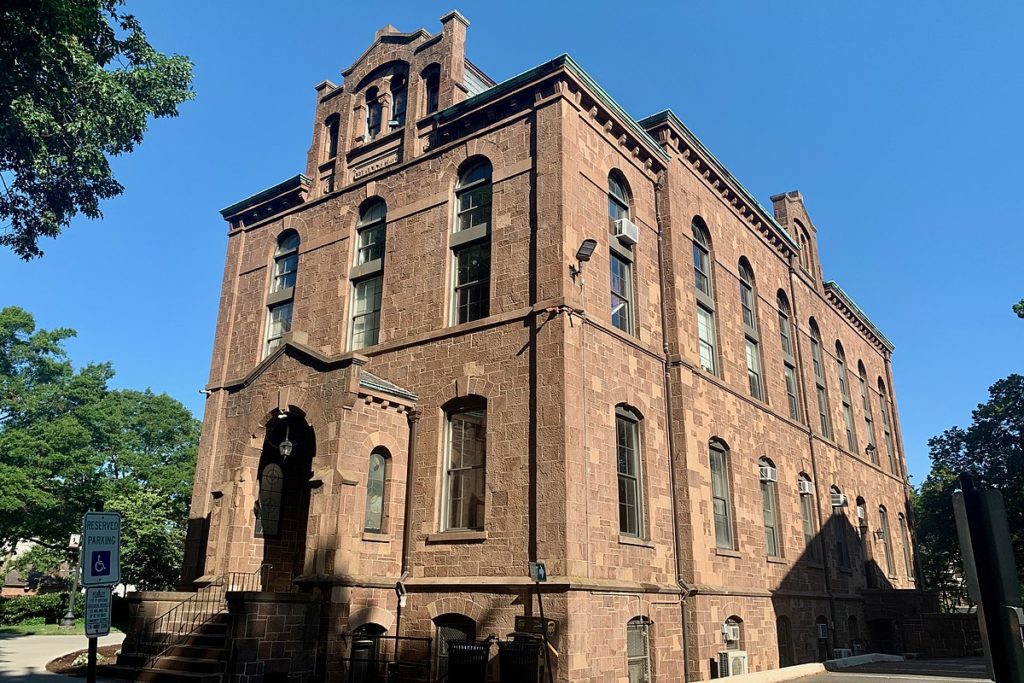
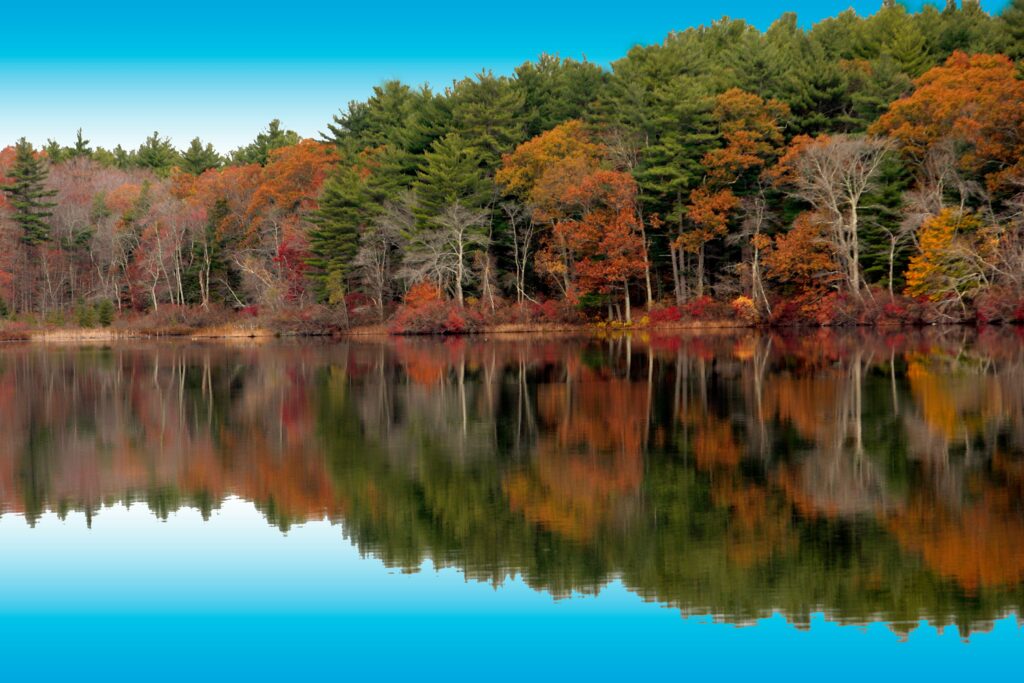
13. University of Massachusetts Amherst
With one of the greenest campuses in the US, UMass Amherst is a leader in sustainability. Students explore renewable energy, climate policy, and ecosystem management. The school emphasizes experiential learning, with research conducted at the Energy Transition Institute and local environmental organizations.
14. SUNY College of Environmental Science and Forestry (ESF)
Located in Syracuse, New York, SUNY College of Environmental Science and Forestry is among the only American colleges fully dedicated to environmental programs. The university offers majors in conservation biology, forestry, and renewable energy systems. Its proximity to the Adirondack Mountains and Finger Lakes gives students unparalleled fieldwork opportunities.

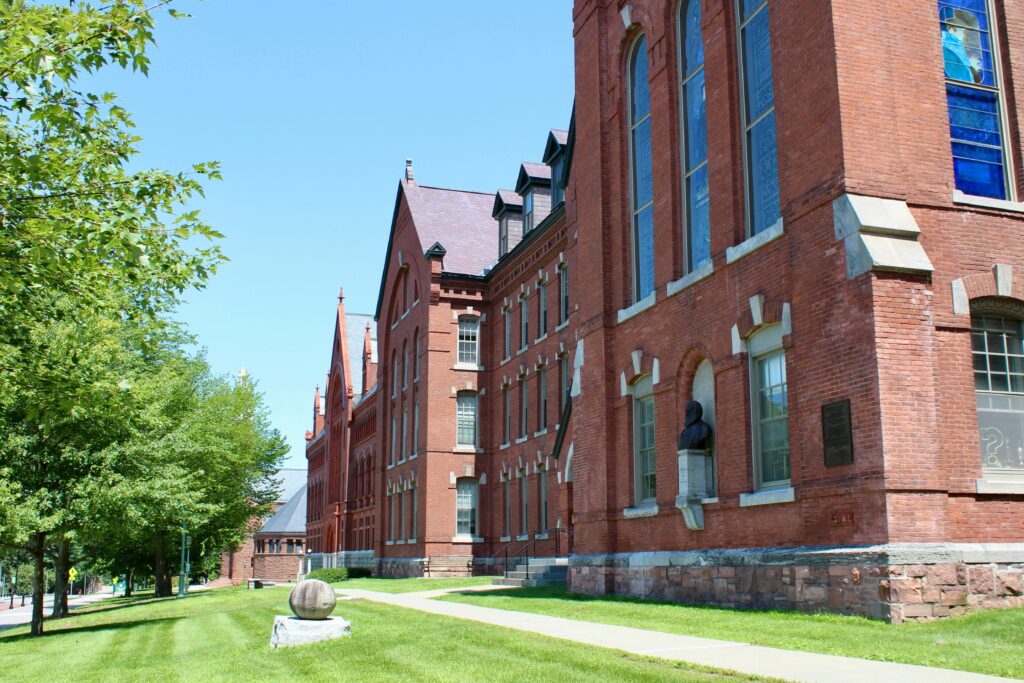
15. University of Vermont
Known for integrating sustainability into all aspects of campus life, the University of Vermont is a great place to study environmental science. Their program emphasizes climate change, community resilience, and sustainable agriculture. Students gain hands-on experience through field courses in Vermont’s forests, lakes, and farms, as well as internships with local organizations.
Exploring more of the best environmental science colleges
Beyond the 15 top environmental science schools, many other environmental science colleges across the US offer excellent programs. The best colleges for science provide strong academics, research facilities, hands-on learning opportunities and emphasize the importance of environmental science. Here some more of the best environmental science schools worth considering.
15 More Environmental Science Colleges

- Stanford University is rated one of the best environmental science schools by Niche for cutting-edge research in renewable energy, climate science, and sustainability policy. Stanford also gives students access to the Woods Institute for the Environment.
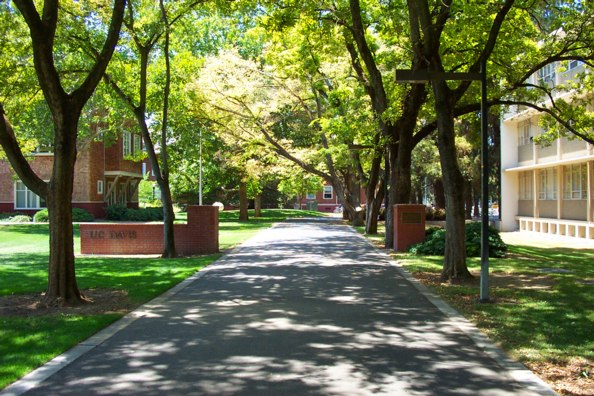
2. UC Davis, with its agricultural and ecological strengths, excels in environmental toxicology, sustainability, and conservation.
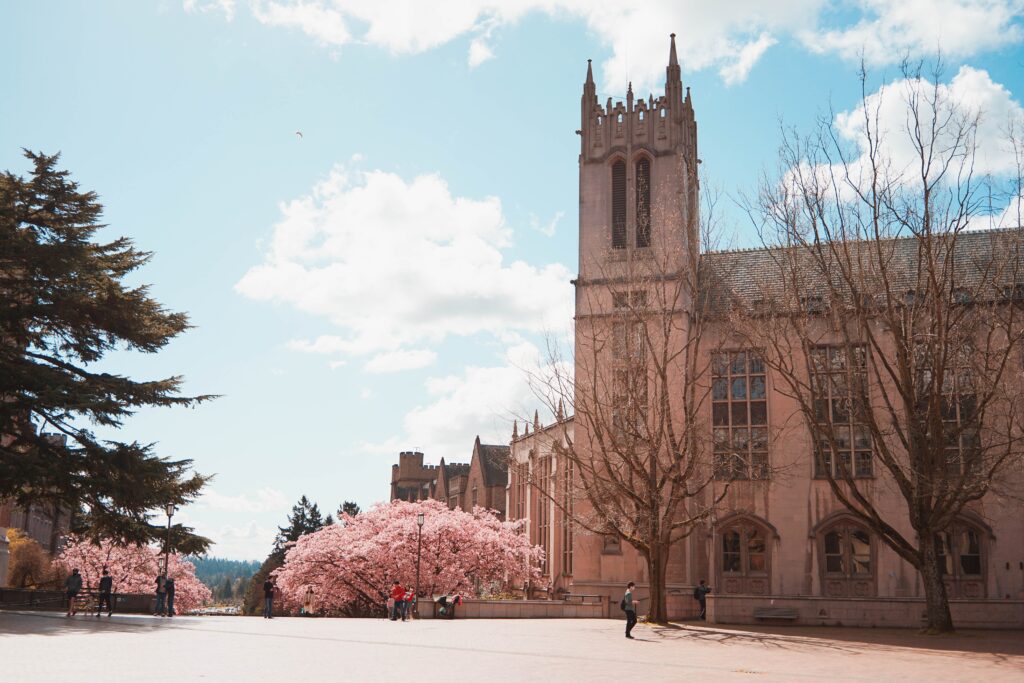
3. University of Washington offers programs in marine science, forestry, and urban sustainability, with research centers focused on the Pacific Northwest.
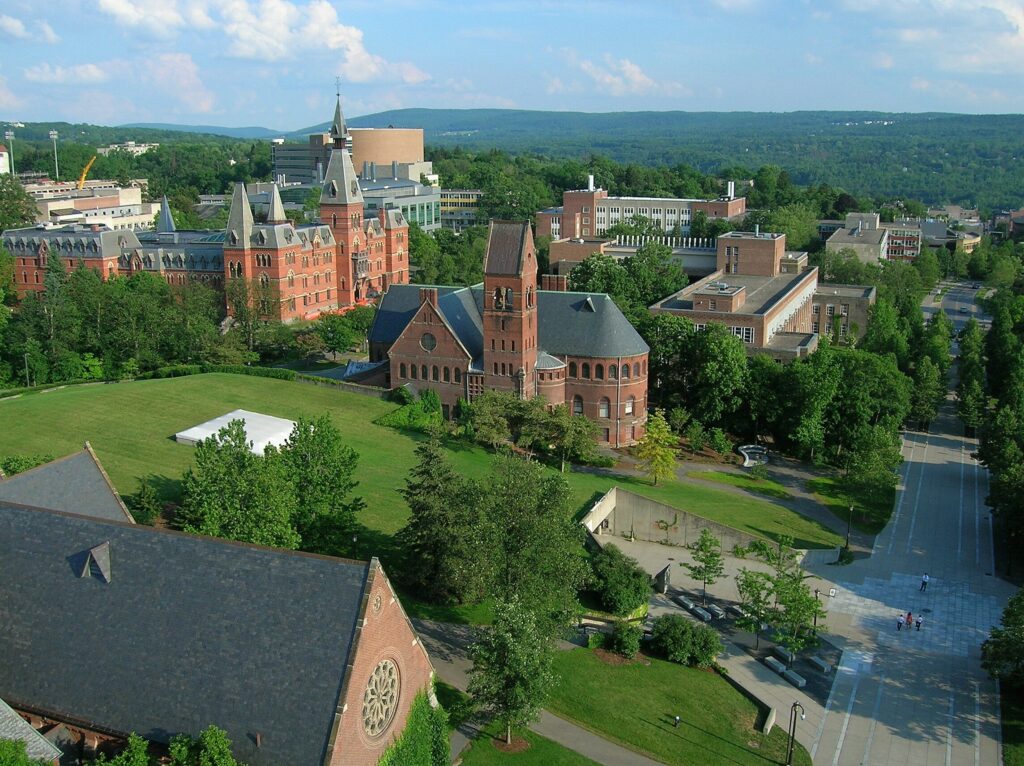
4. Cornell University provides environmental science programs through its College of Agriculture and Life Sciences, with an emphasis on sustainability and resource management.
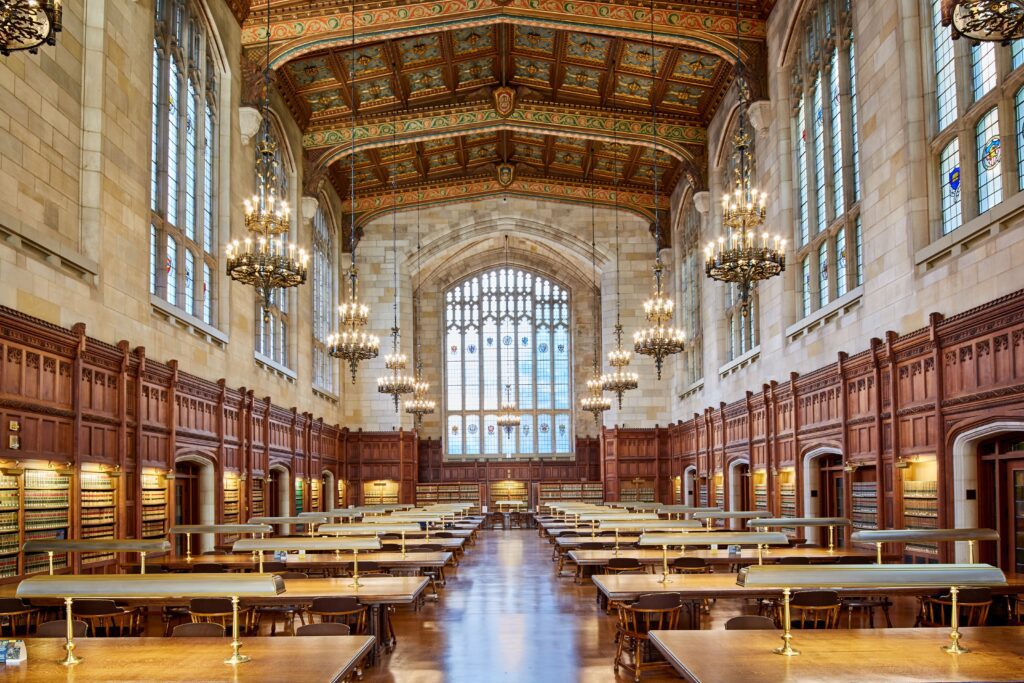
5. University of Michigan’s School for Environment and Sustainability is known for global research partnerships and interdisciplinary study.
6. Yale University is home to the Yale School of the Environment, one of the world’s oldest and most prestigious graduate programs.
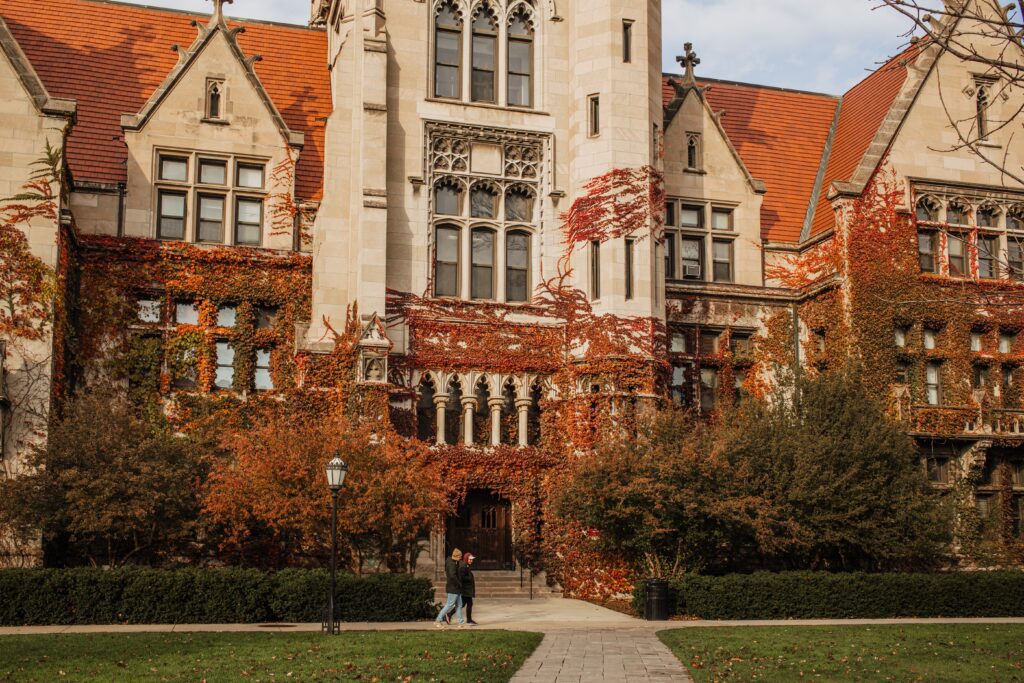

7. University of Minnesota – Twin Cities’ program features extensive field stations and strong programs in ecology, climate science, and policy.
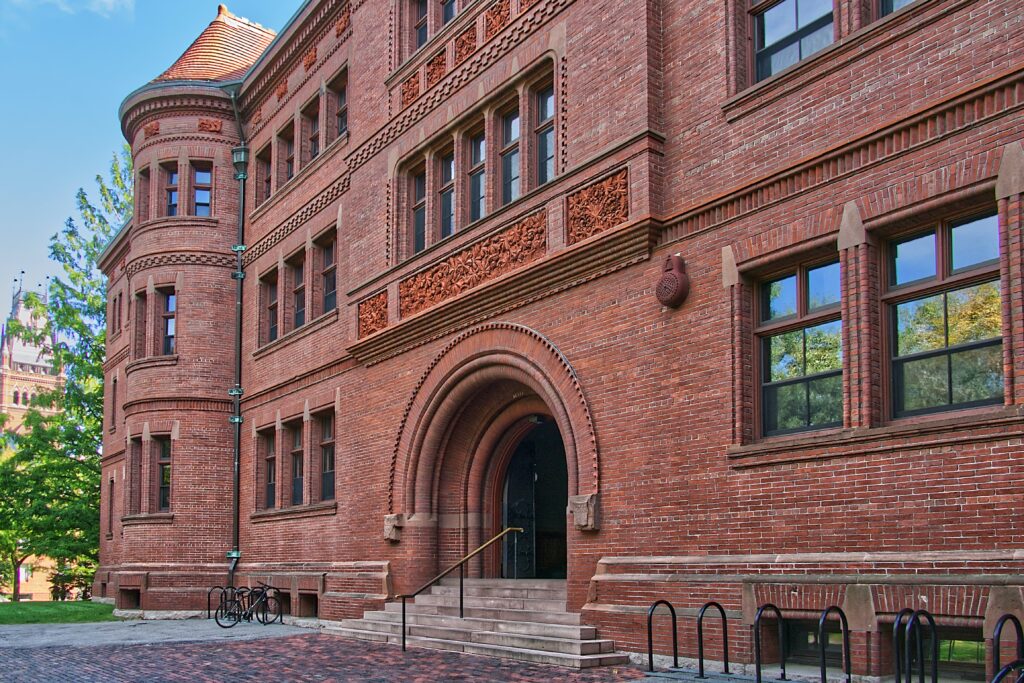
8. Harvard University offers interdisciplinary research in climate, energy, and public health through its Environmental Science and Engineering program.
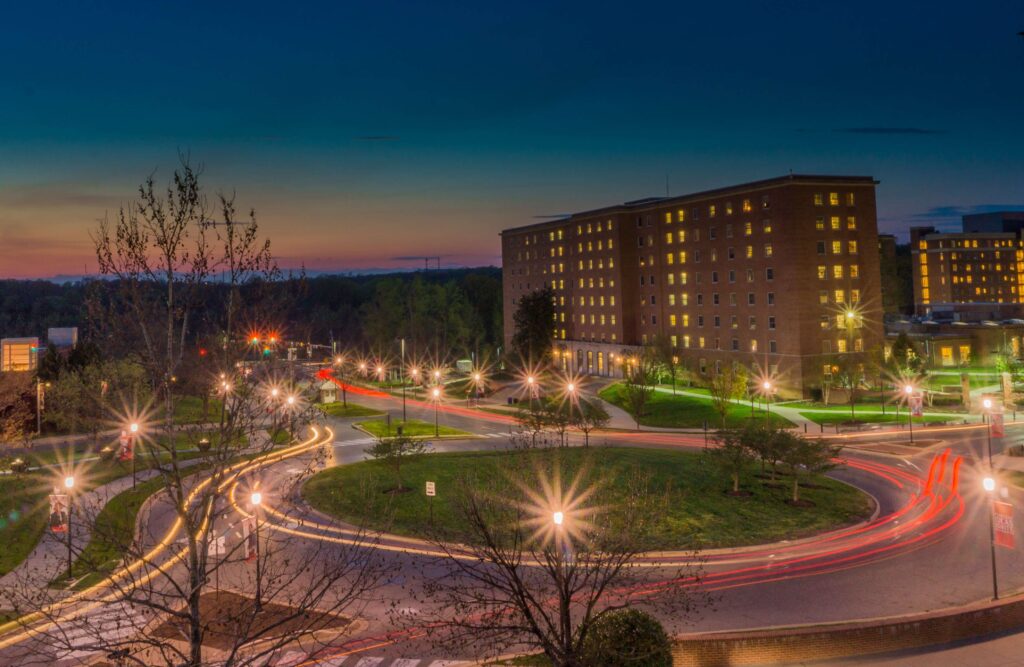
9. University of Maryland emphasizes environmental policy, coastal studies, and sustainability.
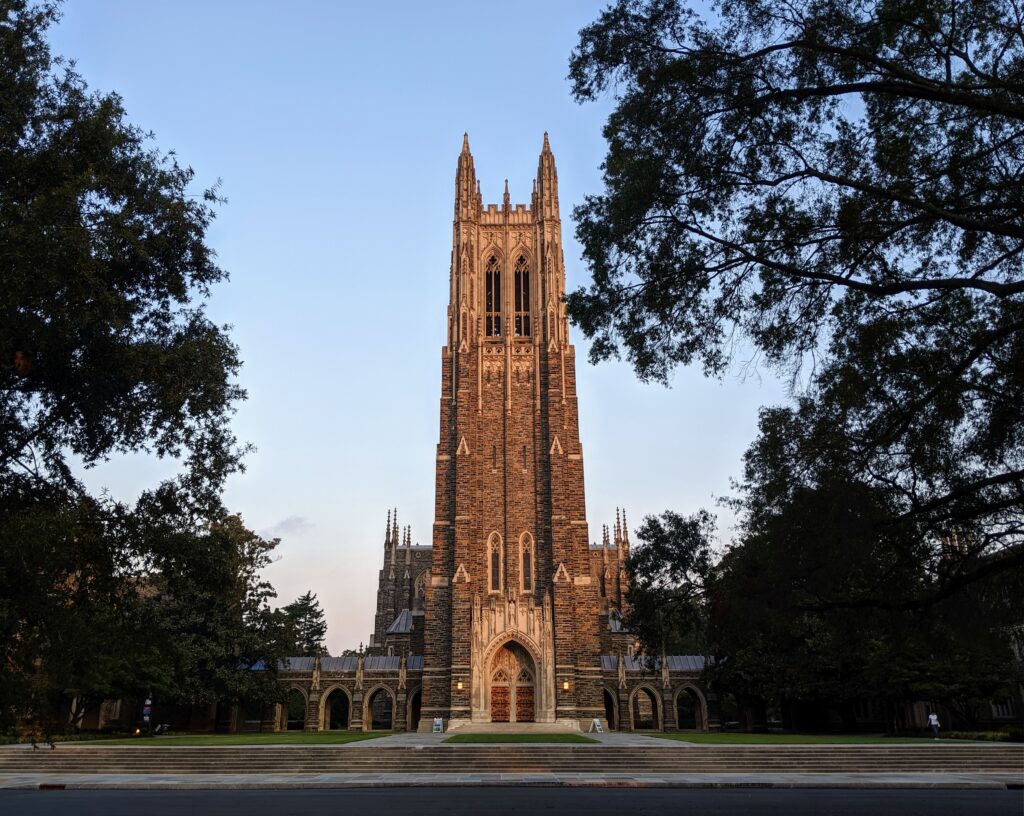
10. Duke University’s Nicholas School of the Environment is internationally recognized for marine and coastal research.
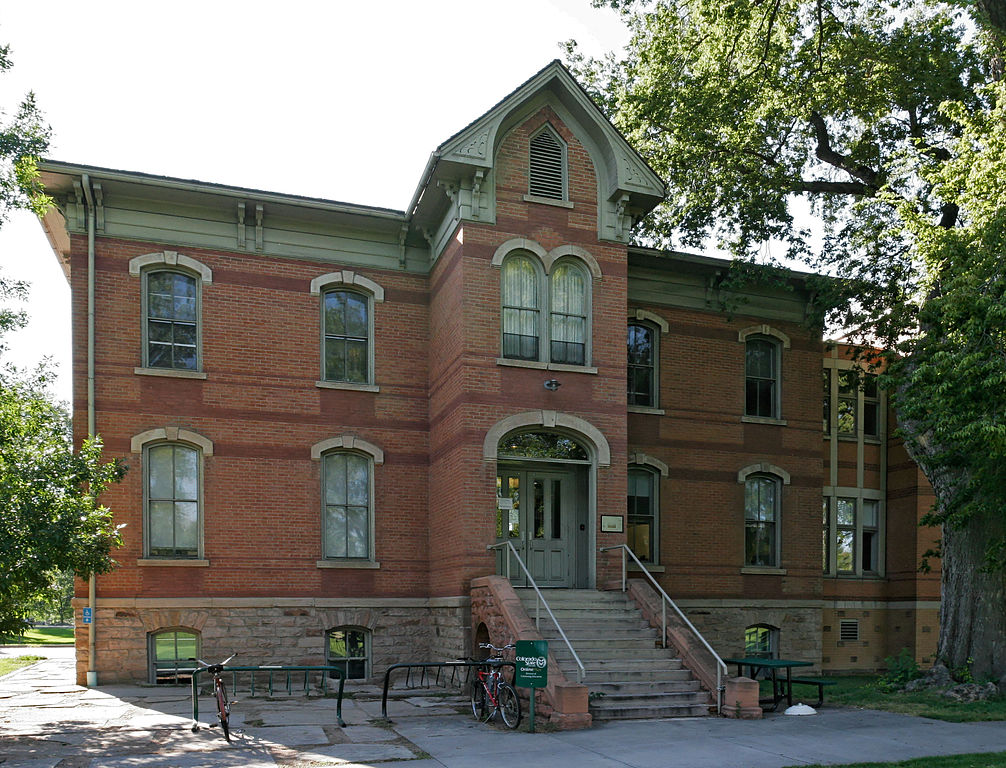
11. Colorado State University is known for research in wildlife biology, forestry, and ecosystem management.
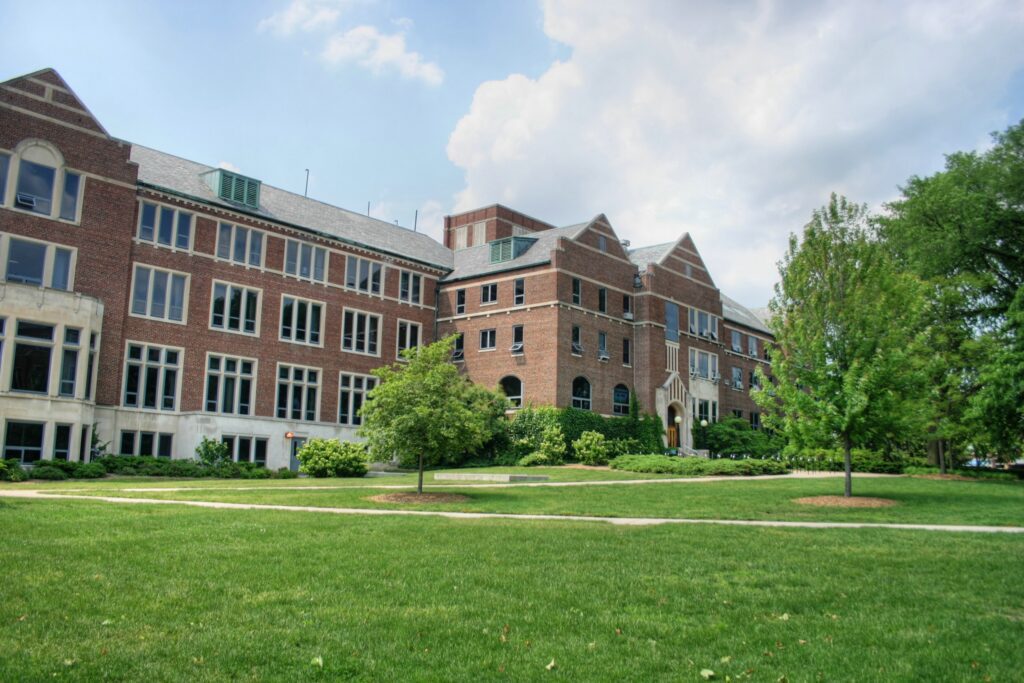
12. Michigan State University provides strong agricultural and sustainability programs tied to environmental science.
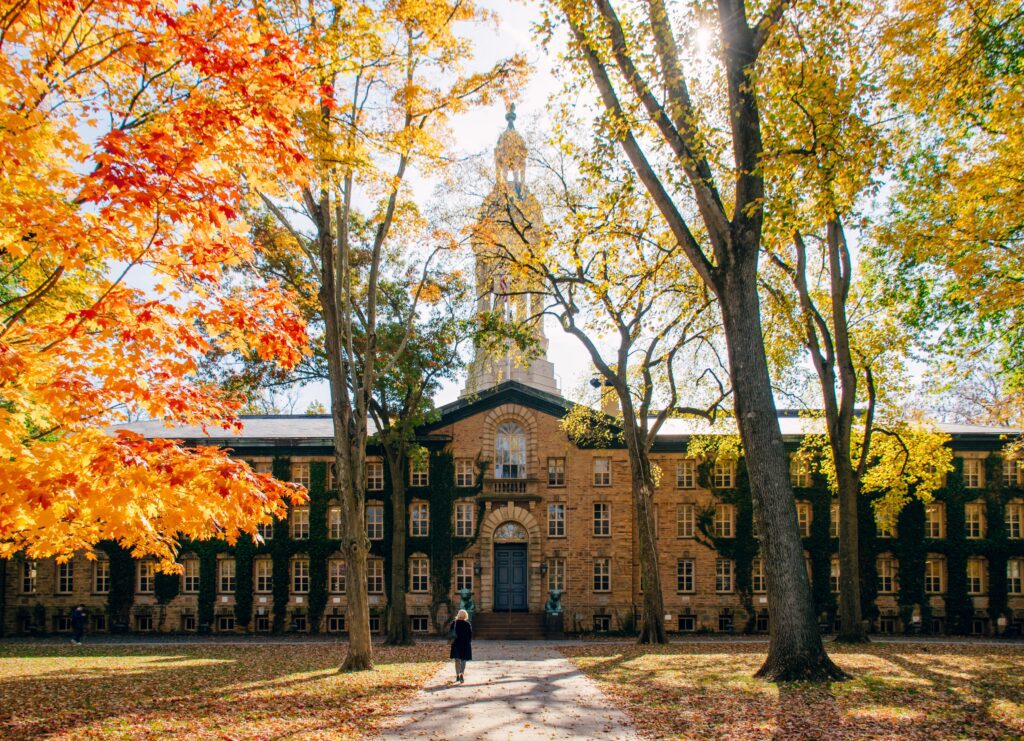
13. Princeton University focuses on climate modeling, renewable energy, and policy analysis.
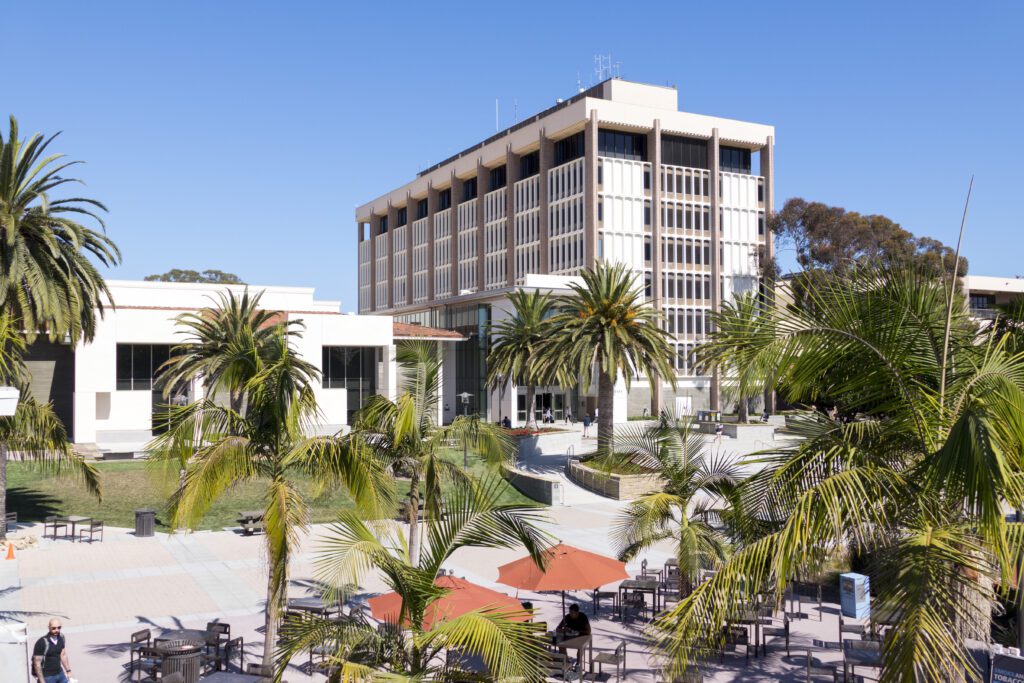
14. UC Santa Barbara offers top-ranked programs in marine biology, environmental science, and sustainability studies.
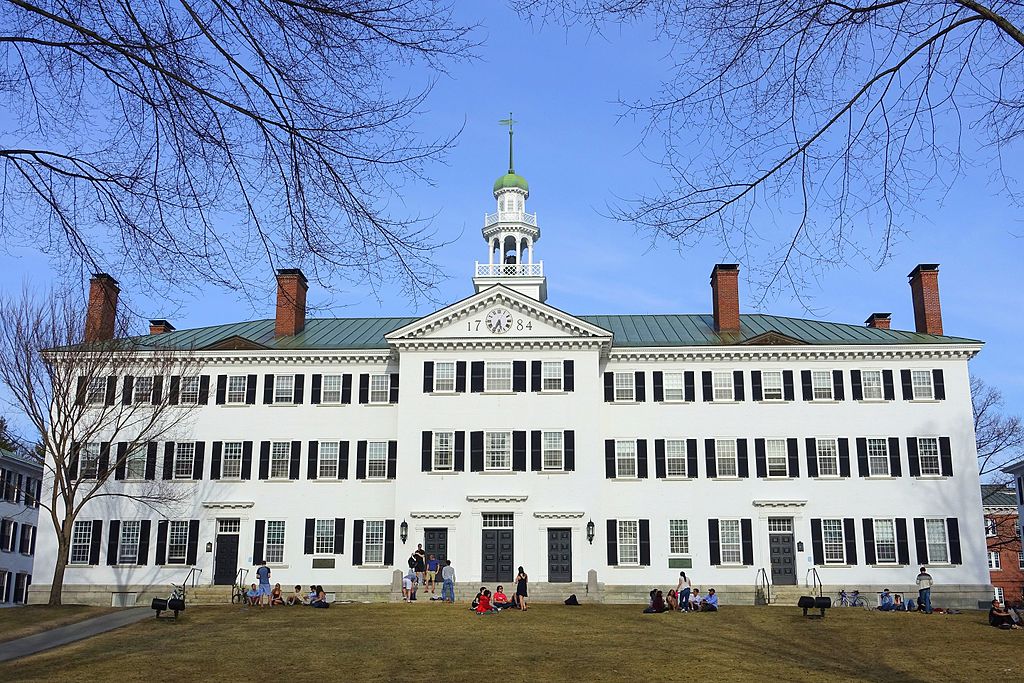
15. Dartmouth College provides environmental science and studies programs with a focus on field research in New England ecosystems.
When building a college list, students should also consider state universities with strong research programs and schools with campus-wide sustainability initiatives. There is also the option of online programs. To find the best environmental science schools for you, be sure to consider location, cost, program focus, and future career goals.
What can you do with an environmental science degree?
There are many careers out there that leverage the importance of environmental science. With demand for expertise growing, students from environmental science colleges are well-positioned for impactful careers in STEM and other related fields. Here are six environmental science careers to consider.
Environmental Science Careers

Environmental consultants provide guidance to businesses, governments, and organizations on how to minimize their environmental impact. They assess practices, recommend sustainable solutions, and help their clients comply with environmental regulations.
Conservation scientists work to protect natural habitats and manage natural resources. Their efforts may include preserving forests, wildlife, and water resources, as well as developing plans for sustainable land use.
Environmental engineers design and implement systems that address environmental challenges, such as waste management, water purification, and renewable energy solutions. They combine engineering principles with environmental science to improve public health and sustainability.
Sustainability coordinators develop and oversee strategies to make organizations more environmentally responsible. They may create programs to reduce energy use, minimize waste, and promote sustainable practices within a company or institution.
Policy analysts research, evaluate, and help shape environmental policies at local, national, or global levels. They analyze data, prepare reports, and advise lawmakers or organizations on strategies to protect the environment while balancing economic and social considerations.
Research scientists or educators conduct scientific studies related to environmental issues and may teach in academic institutions or work with nonprofit organizations. Their work contributes to our understanding of ecosystems, climate change, and conservation practices, while also educating the public and future professionals about sustainable practices.
Graduates from the best environmental science schools may work in government agencies, nonprofits, private corporations, or international organizations. Some choose to pursue graduate programs or professional degrees in environmental law, public health, or engineering. What can you do with an environmental studies degree? As it happens, many career paths overlap with those in environmental science, especially in areas of policy, advocacy, and education.
According to the U.S. Bureau of Labor Statistics, employment for environmental scientists is projected to grow faster than average over the next decade. Higher employment will likely be driven by demand for solutions to climate change and sustainability challenges. The importance of environmental science will only become more apparent in the coming years.
For more information, check this list of high paying jobs you can get with an environmental science degree and this conservation job board.
5 Tips to Choosing the Best Environmental Science Schools
Selecting the right environmental science colleges requires careful planning. Here are five tips for narrowing down your list of environmental science colleges.
5 Tips to Choose Your Best Environmental Science Colleges

1. Check faculty expertise & research opportunities.
Review faculty bios and lab facilities to see if their focus areas match your interests.
2. Look at fieldwork and internship placements.
Schools near coastlines, forests, or urban centers may provide unique hands-on opportunities.
3. Consider program focus and degree type.
Decide whether you want a science-heavy Bachelor of Science program or a humanities-oriented Bachelor of Arts.
4. Evaluate school resources.
Strong programs often have GIS labs, research centers, and sustainability initiatives.
5. Factor in location & career goals.
A school near national parks, state agencies, or energy companies may provide better networking opportunities.
The best environmental science schools will provide a high return on investment, so take financial aid and alumni outcomes into consideration, too.
Top Environmental Science Colleges- Final Takeaways
Environmental science is an exciting, impactful field for students who want to use science to tackle urgent global issues. The best environmental science colleges offer hands-on learning, research opportunities, and a balance of science and the humanities. Whether you’re interested in lab research, conservation, or policy, you should first understand environmental studies vs. environmental science. Once you know the difference, you can select the right program for your interests. With careful planning, students can find the right fit among the many excellent environmental science colleges nationwide.
When choosing the best environmental science schools for you, consider your career goals, and ask yourself important questions. Do you prefer science-heavy or humanities-heavy training? What kind of research opportunities would you like to pursue? Compare your needs to the offerings of the best environmental science schools. There are plenty to choose from, and there’s a school for every student passionate about protecting the environment.
Need more guidance? CollegeAdvisor can help. Work with us to compare the best environmental science schools, build your list of environmental science colleges, and prepare strong applications to your top schools.

This article was written by Bailey Bennett. Looking for more admissions support? Click here to schedule a free meeting with one of our Admissions Specialists. During your meeting, our team will discuss your profile and help you find targeted ways to increase your admissions odds at top schools. We’ll also answer any questions and discuss how CollegeAdvisor.com can support you in the college application process.