



Internship Opportunities for College Students
Your college years will be filled with countless learning experiences, both in and out of the classroom. Internships for college students offer a firsthand look at different professions, helping you gain practical experience and prepare for life after graduation. While many students associate internships with junior and senior year, you can actually start looking into internship opportunities for college students as early as freshman year.
In this article, we’ll learn all about internship opportunities for college students. Specifically, we’ll:
- Define college student internships and their importance
- Discover different types of internships, including paid internships
- Explore internship opportunities for college students at top schools
- Provide tips and tools for finding the best student internships
Let’s begin with the basics by answering the question: what are internships for college students?
What are college internships?
College student internships are short-term jobs that give students a chance to explore a career and build professional skills while they’re still in school. While the motivation for part-time jobs is usually monetary compensation, internships for college students serve a wider purpose. Internships are a unique opportunity for experiential learning where students can connect classroom theory with workplace tasks. They are a way to test out different career paths, often serving as a way to refine students’ interests and professional goals.
Internship opportunities for college students focus on learning about a profession and developing career-related skills. At the same time, interns may still have significant responsibilities. Some interns support day-to-day operations, while others contribute to major projects, work directly with clients, or conduct specialized research.
Just as the work of an intern will vary, so might the details of a specific internship. Typically, internships last one semester, but some may span an entire academic year or just take place in the summer months. Generally, the time commitment during the school year is part-time, while summer internships for college students may be a full-time commitment.
Paid internships do exist, however, they aren’t necessarily the norm. Rather than monetary compensation, internship opportunities for college students can often count toward college credit. Students should always check with their department to see if they will be granted credits for a specific internship.
Are internships in college important?

In short, yes! Internship opportunities for college students can be extremely meaningful and practical experiences. Internships allow students to put what they’ve learned in the classroom into practice.
Internship opportunities for college students are unique opportunities to get a feel for the reality of a profession before committing to it. There are also ample career benefits of completing an internship, including:
- Building a stronger resume
- Making professional connections
- Improving future job prospects
In fact, a recent U.S. News survey discovered that 74% of respondents considered the opportunity to secure a full-time job after an internship very or extremely important. Indeed, internship opportunities for college students can sometimes lead to offers of employment upon completion and graduation. According to NACE’s 2025 Internship & Co-op Report, employers offered full-time positions to an average of 62% of their 2024 interns.
Types of Internships for College Students
Internship opportunities for college students can be found in nearly every industry. Here are some of the most common industries that offer college student internships:
Common Industries for College Internships

Technology:
Software development, IT support, cybersecurity, data science, web design, and more are just some of the fields in tech with plenty of internship opportunities for college students. An intern might write or test code, fix bugs, analyze datasets, update company databases, or assist in building or redesigning user interfaces.
Healthcare:
College student internships may be sponsored by hospitals, public health organizations, medical clinics, or pharmaceutical companies. Medical internships for college students may include shadowing doctors or administrators, entering patient data, assisting with public health outreach, or working in research labs.
Engineering:
Students may find internships in mechanical, civil, electrical, or aerospace engineering firms. Work could consist of creating 3D CAD models, assisting with site inspection, running quality assurance tests, or helping senior engineers draft project plans.
Finance:
Corporate banking, investment firms, accounting practices, and real estate agencies are areas with internship opportunities for college students interested in finance. Students may prepare financial reports, run market research, or analyze financial data.
Marketing:
Students interested in expanding their practical marketing skills might work in digital agencies, corporate marketing teams, or media outlets. Tasks at marketing and media internships for college students may include scheduling social media posts, designing digital graphics, writing blog articles or press releases, tracking company analytics, and helping with market research.
Government:
Internship opportunities for college students interested in government can be found in local government agencies, NGOs and non-profit organizations, conservation groups, or policy institutes. Students may complete legislative or historical research, coordinate community events, draft grant proposals, and manage volunteer lists. There are even internship opportunities for college students with the CIA!
In-person, remote, and hybrid internships for college students
When looking for summer internships for college students, you’ll find opportunities to work in person, remotely, or in a hybrid setting. Students who intern in-person may find more opportunities for teamwork and relationship-building, while remote internships for college students offer much more flexibility.
In-person, hybrid, and remote internships for college students can all grant students the opportunity to learn from colleagues and gain real-world skills in their industry. However, the setting will change the type of experience you have. For example, medical internships for college students offer vastly different day-to-day realities depending on whether they are in-person or remote.
Findings from a U.S. News survey showed that 45% of respondents preferred hybrid internships, 40% preferred fully in-person positions, and only 15% preferred fully remote work.
Co-op internships for college students
When exploring different internship opportunities for college students, you may come across co-op programs. Co-ops differ from traditional student internships in that they involve longer work placements and are often built into a student’s degree program. Some universities are known for their co-op programs, such as Drexel University and Georgia Tech.
No matter your area of interest, there are plenty of unique internship opportunities for college students, including international internships for college students! However, the best internship opportunities for college students are those that align with your educational and professional goals.
Are there paid internships for college students?
There are indeed paid internships for college students, but wages can vary widely depending on the industry, employer, and location. When considering an unpaid or paid internship, students should consider both the financial costs and what they’ll gain from the position.
In addition to the time commitment, students should factor in transportation, housing, and other expenses. This is especially important if the internship requires you to relocate, which is sometimes the case for certain summer internships for college students. Even paid internships for college students may not offer enough compensation to cover these expenses, so it’s important to look at the total cost before accepting a position.
How to Find Internships as a College Student

While internship opportunities for college students are abundant, you might wonder how to find them. Simple online searches will pull up plenty of results, but how do you decipher which are legitimate?
Rather than starting with a general search, go straight to the source. There are several popular websites for finding college internships:
Handshake:
Offering internship and job search capabilities, Handshake has shifted their focus to keep up with the changing times. They now focus on being the top career network for the AI economy.
LinkedIn:
As the world’s largest professional network, LinkedIn has earned its spot as one of the top resources for job seekers. Their postings include plenty of internship opportunities for college students.
Indeed:
Another top resource for finding jobs and internships is Indeed. The platform has over 3.5 million employers using it for hiring purposes.
USAJOBS:
For those seeking federal internship and employment opportunities, USAJOBS is a top resource. The site has more than 1,200 jobs posted per day.
U.S. News reports students mostly use LinkedIn (60%), social media platforms (51%), personal networks (42%), and employer websites (39%) in their internship searches.
While the initial search for internship opportunities for college students may seem overwhelming, you can narrow your options by using filters for location, industry, work arrangements, and eligibility requirements. Use terms that apply to your internship situation such as “summer internships for college students,” “freshman internship,” and “remote internships for college students.”
Applying to summer internships for college students is just like applying to any other job. The application process typically consists of preparing a resume and cover letter, interviewing, and following up when appropriate. Each opportunity will have its own application criteria depending on the position, such as a portfolio or work samples.
How to Use School Resources in Your Internship Search
While internet searches will provide plenty of results for internship opportunities for college students, your college’s career services office will also be able to support you. In fact, it’s often best to just start your search there. Career counselors can help you find internship openings that fit your interests, as well as support you through the application process by improving your resumes and preparing you for interviews.
When considering how to find internships as a college student, your campus has plenty of resources available, including:
- Career fairs
- Employer recruiting events
- Student job boards
- Internship workshops
Professors in your department can also help you find internship opportunities for college students by connecting you with research positions, sharing professional contacts, or recommending opportunities related to your major. Other great resources are alumni networks and school-sponsored internship programs. When considering an internship for college credit, make sure to check your college’s requirements before accepting — you want to be certain that your school will indeed grant your course credits.
When should I look for college internships?

Ideally, you’ll want to begin seeking out college student internships several months before you’d like to start. Application deadlines and potential start dates will vary by company and industry, so you’ll want to be sure your preferences and needs align with their hiring requirements.
For summer internships, you’ll need to plan even further ahead. Some summer internships for college students at large companies begin recruiting the previous summer or fall, while smaller organizations may accept applications during winter or spring. This means, for summer internships for college students, you’ll want to start planning nearly a year in advance, updating your resume, building a portfolio, and researching top options.
Whether you’re interested in remote internships for college students or paid internships for college students, your experience will vary depending on where you are in your college education.
As a freshman, you might start exploring introductory options. These will tend to be more general, giving you an idea of certain professions.
As a sophomore, you may be ready for a more specialized position where you could gain some more hands-on experience, rather than simply shadowing or working behind the scenes.
When you become a junior and senior, the positions will likely get even more specialized, allowing for more workforce experience in your field.
However, you don’t need to wait until you’re an upperclassman to apply for internships — there are internship opportunities for college students at every stage of their education.
What type of internship should I look for?
With such an abundance of college student internships to choose from, you’ll need to start your search by considering what you want to get out of an internship. Maybe you’re exploring an unfamiliar industry to see if it sparks an interest, or perhaps your goal is to gain specific skills in your dream profession.
A student’s responsibilities at college student internships will vary greatly, so be sure to read the fine print on the internship description. Will you be updating databases or assisting in on-the-field research? When reading internship descriptions, look for opportunities to work on real projects and receive guidance from a supervisor.
Additionally, consider where you want to be doing your internship. Are you interested in large corporations, small businesses, startups, or nonprofit organizations? An established internship program may offer a more structured experience, while a new program may be more flexible. The size and structure of an organization may greatly affect the type of work interns do.
Above all, be practical when looking at summer internships for college students. Consider factors like pay, location, and work hours to determine whether an opportunity is realistic for you. For instance, international internships for college students may seem exciting, but if they’re not feasible, it’s better to move on to other opportunities.
Best Schools for Internships
You can find internship opportunities for college students no matter where you go to school. However, some colleges offer more support in finding these opportunities than others.
What makes a college a good place to find internships? Strong employer connections, helpful career services, and programs that incorporate professional experience into students’ education can all make a difference.
Below, we’re going to look at U.S. News’ list of best colleges for Co-ops/Internships. You’ll notice that these schools truly integrate internships for college students into their curriculum.
Top Schools for College Internships
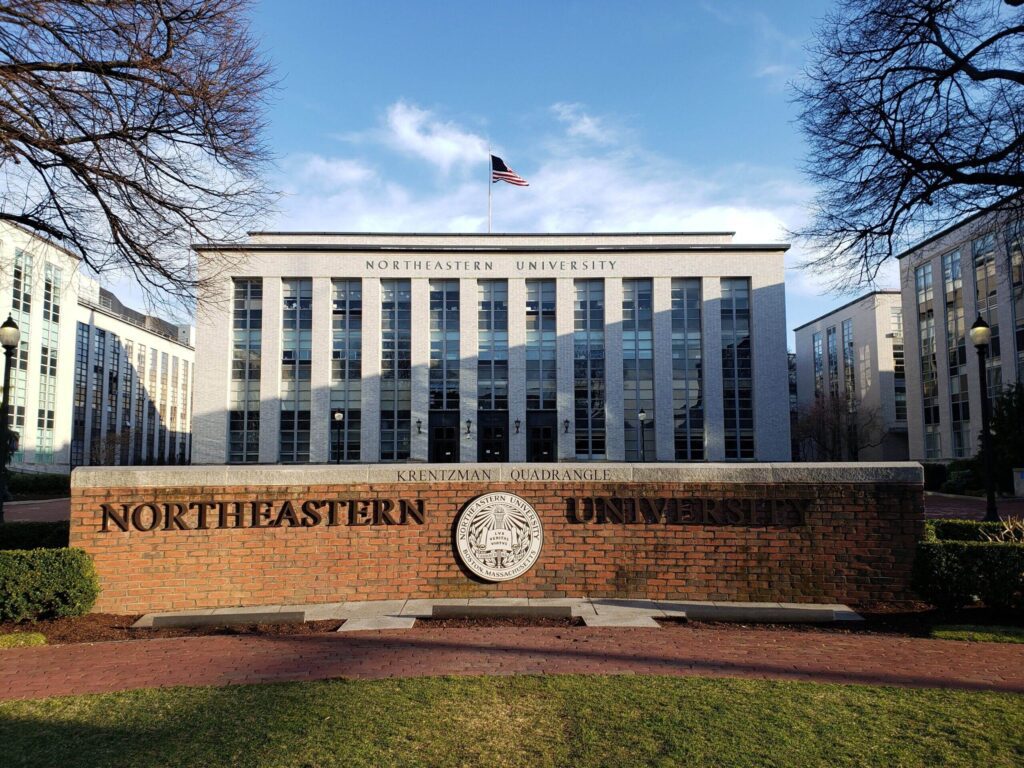
Northeastern University:
The Northeastern University co-op program has students alternate between full-time academic semesters and full-time work terms. Typically, co-ops last six months, though shorter and longer placement options are available. Students can choose a 4-year (includes two 6-month co-ops) or 5-year (includes three 6-month co-ops) graduation track. Northeastern University assists students in finding and securing co-ops as well as aiding in the housing search, namely for opportunities where they have another campus (NYC, Chicago, and Portland, Maine). Co-ops are paid experiences.
Drexel University:
Another leader in cooperative education, Drexel also offers students a four- or five-year plan, depending on a student’s major. Co-op opportunities are required, paid, and ample: Drexel has over 1,600 employer partners, from big corporations to startups. Students may also complete internships; these opportunities are typically shorter (2-3 months), unpaid, and not a requirement.


University of Cincinnati:
With over 1,700 co-op employer partners and $99.5 million in collective co-op earnings, the University of Cincinnati is an established leader in cooperative education. The program focuses on preparing students for the workforce as part of the curriculum; co-ops are also paid experiences.
Georgia Institute of Technology:
Georgia Tech offers both co-op and internship opportunities for its students. The co-op program is a structured, five-year path in which students gain at least three semesters of full-time, paid, major-related work experience with the same employer.
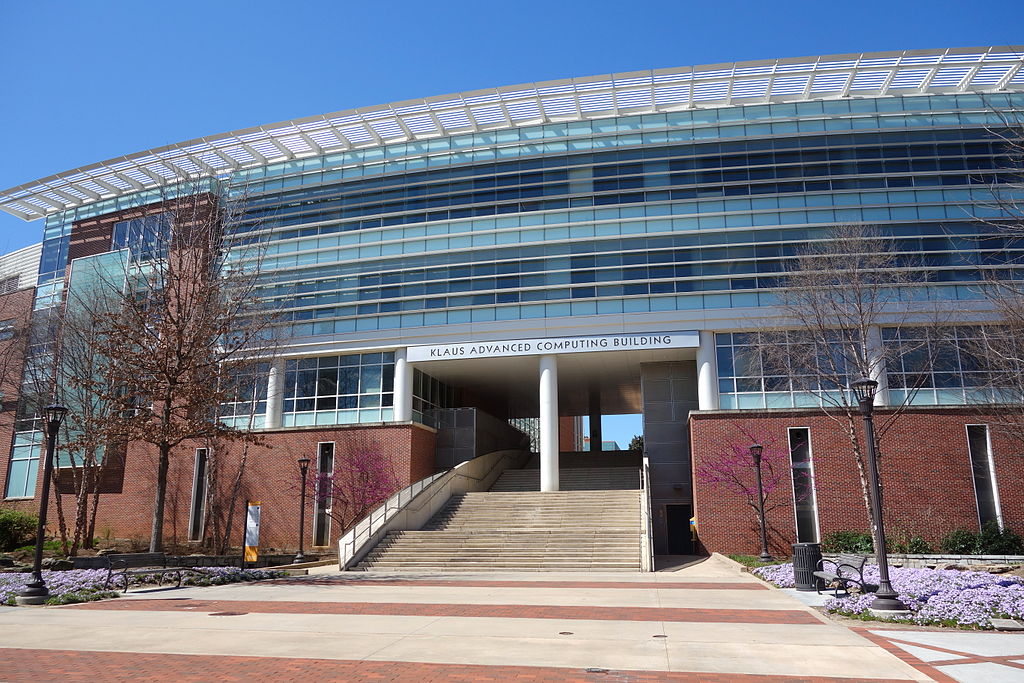

Rochester Institute of Technology:
From large Fortune 500 companies to small start-ups and nonprofits, RIT has relationships with thousands of employers across the nation. In co-op and internship programs, students gain relevant career experience in their chosen industries of interest. The student benefits are tangible, with 96% of co-op employers stating they would hire an RIT co-op student for a full-time position.
Purdue University:
In Purdue’s co-op program, students complete three to five semesters with the same employer, allowing for greater depth of understanding and relevant skill building. Typically, co-op students graduate in 4.5-5 years. Nearly 100% of co-op students find full-type employment before graduation, generally with higher starting salaries than their peers who didn’t participate in the co-op program.


Berea College:
Unique from the other schools on this list, Berea College has a Work College Program. Students are required to work on campus for at least ten hours per week. Jobs vary among campus departments and upon graduation students receive a “work transcript” outline their job duties and gained skills.
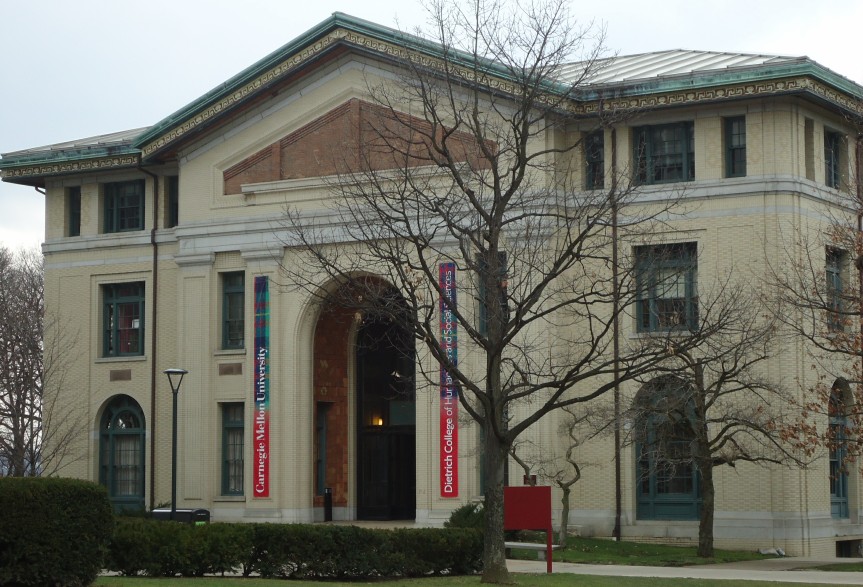
Carnegie Mellon University:
CMU offers internships, research opportunities, and co-op experiences depending on a student’s field of study. Rather than having an institution-wide co-op program, individual departments are in charge of establishing requirements and building in experiential learning into their curricula. Typically, students in electrical and computer engineering, mechanical engineering, and computer science programs have co-op opportunities.
When creating your college list, consider the importance of co-op programs. Research internship opportunities while in high school and when comparing colleges, including which employers recruit on campus, what support students receive, and whether internships or co-ops are built into your intended major.
5 College Internship Tips
College student internships are an important part of professional and personal growth. Whether interested in remote internships for college students, international internships for college students, or even medical internships for college students, this type of experiential learning can provide students with more clarity on their professional goals.
We’ve reviewed plenty of valuable information about internship opportunities for college students. Here are some final tips:
5 Tips for College Internships

1. Tailor your resume to each internship.
Use your class projects, volunteer work, campus activities, and part time jobs to demonstrate your skills. You don’t need to have heaps of professional experience in order to create an impressive resume.
2. Don’t rule yourself out too quickly.
If you don’t meet every preferred qualification on the employer’s list, it doesn’t necessarily mean you shouldn’t apply. Rather, pay attention to required skills and consider how they align with your experience.
3. Prepare real examples for interviews.
Prepare for your interviews by reflecting upon class assignments, group projects, or extracurricular activities. Highlight experiences where you’ve solved problems, worked in a group, or had a leadership role.
4. Keep track of applications and follow up.
Stay organized when applying. Create a simple spreadsheet to record deadlines, application status, and employer contracts. Always send thank you emails after interviews.
5. Take an active role once you start.
Once you are at your internship, take advantage of the experience. Ask questions, request feedback, and keep a record of your work so you can describe your accomplishments and acquired skills on future applications.
Internship Opportunities for College Students – Takeaways
While there are many internship opportunities for college students, finding the right fit takes deliberate planning. Focus first on what you hope to gain from the role, weighing both your interests and your practical needs. For example, it may not make sense to take an unpaid internship across the country depending on your financial situation.
If gaining relevant work experience while at college and creating employer connections is a top priority for you, consider attending colleges with co-op programs built into their curricula. And remember, you don’t need to wait until your final years of college to start applying for internships. An early internship could even help you decide which major or career path is right for you.
Whether looking at internships or co-op programs, CollegeAdvisor is here to help. From creating your best college list to preparing for internship interviews, our expert advisors can help you navigate the college application and internship process. Reach out for a personalized consultation to learn more about how we can best support you.

This article was written by Sarah Kaminski. Looking for more admissions support? Click here to schedule a free meeting with one of our Admissions Specialists. During your meeting, our team will discuss your profile and help you find targeted ways to increase your admissions odds at top schools. We’ll also answer any questions and discuss how CollegeAdvisor.com can support you in the college application process.