
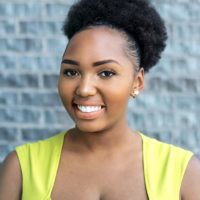
Aya Waller-Bey
Georgetown University
A strong resume can help students organize their experiences, identify strengths, and present a clear picture of their involvement both inside and outside the classroom. In this webinar, led by Former Admissions Officer Dr. Aya Waller-Bey students and families will learn the key sections of a high school resume, what admissions officers look for, and how to showcase extracurricular activities, accomplishments, interests, and strengths effectively. We’ll also discuss the role resumes play in college admissions, how creating one can strengthen the application process even when it is not required, and practical ways students can continue building meaningful experiences throughout the school year and summer.
09-02-26-Building a Strong Extracurricular Resume for College Admissions
Lydia: Hello, everyone. Welcome to, “Building a Strong Extracurricular Resume for College Admissions.” My name is Lydia Hollon. I’m going to be your moderator tonight. I’m also a senior advisor here at CollegeAdvisor and have been with the company for about four years now. And in addition to that, I’m also an alum of New York University.
Lydia: To orient everyone with the webinar timing for tonight, we’re going to start off with a presentation, then answer your questions in a live Q&A. On the sidebar, you can download our slides and start submitting questions in the Q&A tab. We’ll also be recording this session so that you can review the webinar again later.
Lydia: Now let’s meet our presenter
Dr. Aya Waller-Bey: Thank you so much, [00:01:00] Lydia. Hello, everyone. Good morning, good afternoon, or good evening, depending on where you are in the world. I am Dr. Aya Waller-Bey, and I will be delivering tonight’s webinar on extracurricular activities and building a strong resume. Just to tell you a little bit about me, I always like to begin with stating that I am a proud first-generation college student, which means I’m the first person in my family to obtain a four-year degree.
Dr. Aya Waller-Bey: Where I studied was at Georgetown University in Washington, DC, and then upon graduating, became an admissions officer and coordinated a multicultural recruitment. After my tenure at Georgetown, I went across the pond to earn my master’s in philosophy of education from the University of Cambridge in England.
Dr. Aya Waller-Bey: And then last year, I completed my PhD in sociology at the University of Michigan, go Blue, where I studied college admissions, particularly the college admissions essay. So, I have tons of experience both as a educator, a practitioner, and a [00:02:00] academic, talking about, thinking about, and supporting young people in the college admissions process, and I’ve been with college admissions…
Dr. Aya Waller-Bey: with CollegeAdvisor, excuse me, uh, going on six application cycles. So, looking forward to answering your questions later on in the presentation
Lydia: Fantastic. And so before we jump into the presentation, we’re gonna do a quick poll to just figure out what grade you all are in. And if you’re a parent, feel free to just mark that other category.
Lydia: But while I give you all a chance to fill out that poll, um, I, I would love to hear from you, what extracurriculars were you a part of in high school, and how do you think they made you a strong applicant?
Dr. Aya Waller-Bey: Oh, man, I, I did a lot. I was definitely one of those students. I was class president all four years at my high school.
Dr. Aya Waller-Bey: I was a part of the student government. I did African dance. I was a part of yearbook. I did the morning announcements. I was in model y- uh, [00:03:00] Model UN. I, I did a lot. I was an incredibly involved student, but I just… I- That was just my disposition. I was one of those students who enjoyed being involved, who enjoyed being a leader.
Dr. Aya Waller-Bey: And yes, those are the ones that I could recall. But definitely I was very proud of being a class president all four years. That was something that, uh, took up a lot of my time and something that I feel like helped to shape me as both an applicant, as a student leader, as an advocate, and I can see a lot of the, um, impact that role had on me now as, in all the work that I do today.
Lydia: Yeah. Yeah. That’s, that’s great. I th- I- It’s interesting to hear what people did in high school. Sometimes it seems like perfectly aligned with who they are as adults, and then other times it’s like a complete 180. Um, looking at our responses, we’ve got 13% in ninth grade, 11% in 10th, 23% in 11th grade, 36% in 12th, and [00:04:00] 17% are in the other parent…
Lydia: uh, other category, so parent. All right, so we’ve got a good mix here, but a good amount of seniors. I will go ahead and pass it over to you to get us started for the presentation.
Dr. Aya Waller-Bey: Fantastic. Thank you again. All right, folks, so let’s dive in. First, let’s establish what a resume is, right? A resume is a concise summary of your education, your experiences, your skills and accomplishments, right?
Dr. Aya Waller-Bey: The traditional resume is a one-pager. We often think of it for jobs, right? But resumes also have additional, um, rationale, right? You can use them for college applications. It can highlight how you spent your time beyond the classroom. It can include clubs, jobs, volunteering, independent projects, and notably, family responsibilities.
Dr. Aya Waller-Bey: A strong resume really explains what you contributed, what you’ve learned, and what you [00:05:00] accomplished, right? It talks not just about what you’ve done, but impact, right? And your resume should reflect your actual interests and commitments rather than just a checklist of activities you think colleges expect.
Dr. Aya Waller-Bey: And I know, as someone who works directly with students, that sometimes students want to add 10 additional activities in your- their junior or senior year because they want to have a checklist of experiences they feel like colleges want to see, and that’s a no-no. We want it to be genuine, and we want it to reflect things you actually want to do and things you’ve actually done So as we think about just, like, the style of the resume, there are different sections, right?
Dr. Aya Waller-Bey: So traditionally you have contact information, your name, a professional email address. My recommendation often for high school seniors to create a Gmail address, first name.last name @gmail, or you can reverse it, last name.first name. Um, but [00:06:00] make sure it is a email address that you have access to and that you’ll continue to have access to, and then a phone number, right?
Dr. Aya Waller-Bey: Some folks will also include their high school, so education. As you go on, it’ll be your college information. If you go to graduate school like I did, it’ll be your graduate institutions as well. Expected graduation date, right? So most of the folks here, if you’re expecting to graduate in 2027, you’ll include that.
Dr. Aya Waller-Bey: And of course, relevant academic information, and for some students it might be the AP classes they took where they performed, you know, they got… Received a four or a five, so they might include that. Some students also include standardized test data there, right? So the education, um, that students choose to, to disclose can vary, but at minimum, we want the list of your high school.
Dr. Aya Waller-Bey: We want expected graduation. Uh, we want relevant ac- academic information, namely the GPA. Activities and [00:07:00] leadership, of course. So again, clubs, athletics, arts, community involvement, and you wanna note your, not only your role, the tenure, so how long you, you’ve done that role, but what you’ve l- what you’ve impacted, how you’ve contributed to that organization or community or institution, right?
Dr. Aya Waller-Bey: If you are an artist, if, you know, you could say what type of art that you do, but maybe you’ve showcased your work at three studios in your community or something al- along those lines, right? And then we have the work service and responsibilities. That could be paid employment, so maybe you had a job at a local coffee shop.
Dr. Aya Waller-Bey: It could be volunteering, so maybe you volunteered at your local animal shelter. It could be caregiving. Maybe you had a sick loved one or a grandparent that you helped to support, or other meaningful commitments. You know, for some students, that might include internships or summer camps or other experiences studying abroad that they [00:08:00] also feel like add value and things that they want to signal to the person reading the resume.
Dr. Aya Waller-Bey: They want to signal that they have a certain expertise or skill set. You’ll see students also including languages, right? Um, so you also wanna add awards, right? Independent work. Some students work along with professors or researchers, so there might be a research paper they are collaborating or co-authoring, so they’ll include that in some independent work.
Dr. Aya Waller-Bey: They… I know some students who are also self-taught musicians, and that is part of the independent work. They’ve taught themselves piano or, you know, there’s, they have a curiosity, and they’ve developed something or created something, or they just have a fascination. Sometimes those are included as a project.
Dr. Aya Waller-Bey: And again, any technical skills, so if you can code, and that means, you know, traditional coding in the computer science, uh, kind of way, but also if you’re coding in other ways. As a qualitative [00:09:00] sociologist, I also code using various softwares as well. So those are other things you can include, other technical skills that you might wanna c- include on your resume, and these are some of the major sections we traditionally see on a student resume
Dr. Aya Waller-Bey: So how do you showcase your strengths and your interests on your resume? Naturally, you want to prioritize experiences that best demonstrate your interest, commitment, and contributions, right? We want to see consistency, we want to see sustained engagement, but we want to… You don’t have to put every single thing you’ve ever done in your whole life.
Dr. Aya Waller-Bey: We do not recommend that. You wanna prioritize high school experiences. I think the exception, sometimes, you know, I- I’ve worked with students who maybe they’ve been dancing since they were eight years old. So when they talk about their dance experience on their resume, especially, especially if, if particular if they’re doing it [00:10:00] still, they’ll say, you know, “I’ve been da- you know, eighth grade since until senior year.”
Dr. Aya Waller-Bey: Or they’ll say, “I’ve been dancing competitively for the past 10 years.” So if you have an experience like that, something you’ve been doing for a very long period of time, including and currently at the high school level and at a high level, you can also include that as well. You wanna begin your descriptions with specific action verbs, right?
Dr. Aya Waller-Bey: Organize, designed Created, mentored, curated. Um, sometimes students will use the word founded, you know, developed. So show what you did, right? Tutored three students weekly in algebra. Much stronger than saying, “Help with tutoring,” right? Choose that verb, and then quantify how many students, and then how often.
Dr. Aya Waller-Bey: Weekly. And in what subject area. Algebra. So you see the level of specificity and detail. Even though it’s just a few words, it [00:11:00] answers those really important questions. Who, when, how often, how much, right? And then include numbers when, when they clarify your impact, right? Remember that meaningful contributions are not always measurable.
Dr. Aya Waller-Bey: You know, I think about some of the students who I’ve worked with who were first generation American, and maybe they often had to take on the role as translator. So they’ll mention that as some, you know, responsibilities, but you can’t often measure that impact. It’s not like translated 25 conversations, you know, between my parents and physicians or my parents and the pharmacist.
Dr. Aya Waller-Bey: You often… You know, you’re not measuring that in a very quantifiable way, but there’s a lot of meaningful impact, okay? So just keep that in mind. The recommendation is always quantify when you can, but recognizing it’s not always possible or necessary or most appropriate. So you wanna highlight connections across activities when they exist without forcing every experience to fit [00:12:00] your intended major.
Dr. Aya Waller-Bey: So this is something to highlight because as I mentioned in the initial q- question that Lydia asked me, I had very diverse extracurriculars. I was a class president, I was in student government, but I also did dance, and I also was in yearbook, and I also did Model UN, right? So I also had a lot of just activities that I was involved in, and also some out of school activities as well.
Dr. Aya Waller-Bey: They were quite diverse, but they also often had a common thread of leadership, of civic engagement, of public speaking. Those were some of the qualities and strengths that were highlighted by the diversity of my extracurriculars, okay? So just because you’re majoring in, um, you know, political science, every activity doesn’t have to be kind of politically oriented, but there, there might be a common theme or web that connects [00:13:00] those activities.
Dr. Aya Waller-Bey: How important is a resume in college admissions? Great question. So some colleges accept or request resumes while others do not. I would argue that the majority of colleges don’t request resumes. Um, but many colleges learn about your extra- extracurricular involvement primarily through the applications activities section, right?
Dr. Aya Waller-Bey: So if we’re using the Common App platform, that gives you an opportunity for 10 activities that you order and, and rank and describe activities. If you’re applying, uh, to the UCs, they also have their own application platform where you have to write some, you know, PIQs, those four essays, and then there’s also a space for you to include activities.
Dr. Aya Waller-Bey: And, uh, and, uh, there’s at least 15 spots on the UC application. I think it’s up to 20 there. So there are spots for you to talk about your activities. When accepted, however, a resume can provide [00:14:00] useful detail that does not fit elsewhere in your application. We work with students all the time where they might be a part of 18 activities or have at least 18 experiences that they feel they want admissions officers to know about.
Dr. Aya Waller-Bey: But if the Common App only gives you 10 spots, you have these extra eight, then the resume becomes really helpful to talk about those additional activities. And remember, a resume is one part of your application. It does not replace your academic record, which is the transcript, right, first and foremost, number uno as far as importance, essays or recommendation, right?
Dr. Aya Waller-Bey: So it is complementing these parts of your application, but your grades and test scores are important, um, especially your, your grades. Follow each college’s instructions and submit an optional resume only when it adds meaningful information. So if it’s optional, feel free to submit it. Again, we want to continue to [00:15:00] complement and supplement what you’ve already worked on.
Dr. Aya Waller-Bey: If it’s gonna repeat the exact same thing as the other parts of the Common App profile, then it’s not necessarily, you know, going to add too much value, right? It just becomes a, another document that admissions officers have to sort through when they are reviewing your application. So when in doubt, follow their co- the college’s instructions.
Dr. Aya Waller-Bey: If the college says we do not accept resumes, it is not necessary to submit a resume, you know, take them at their word, okay? So speaking of that, if the schools you’re applying to don’t require a resume, how might building one still help you in the app process, right? As I mentioned, I would argue to say that the majority of universities don’t require resumes.
Dr. Aya Waller-Bey: However, it still can be incredibly important. Creating a central record of your activities, your dates, your hours, the roles, and accompli- accomplishments for the Common [00:16:00] App activities list can really help you, you know- Strengthen that profile, right? So making sure that there is, I call them a master resume.
Dr. Aya Waller-Bey: So in traditional resumes, you, you aim for one page per like 10 years of experience. Um, so I have a master resume where I have everything. My master resume might be eight pages. It includes, um, all the degrees, all the awards, all of the grants, all of the fellowships, all of the conferences, you know, all of the jobs.
Dr. Aya Waller-Bey: Anything that I feel is re- uh, relevant, I make sure it’s updated, and anytime I do something additional, I add it to it. It’s a master resume. That helps me because when I’m applying for a specific opportunity, I can say, “Let me go to the art and culture section of this master resume and just drop it into this opportunity.
Dr. Aya Waller-Bey: Oh, I’m applying for education job. Let me look at the [00:17:00] education-oriented roles and use that.” So having a central record of your activities that you can just pull from or plug and play, I think it’s incredibly important. And then making completing application activities section easier and more accurate.
Dr. Aya Waller-Bey: Again, if you keep that central record when you’re applying to college, ha- it’ll definitely help you when you are, um, working on those activity sections for the various application platforms. It helps you identify experiences that could become more meaningful in your essays. So having that central record, you can say, “Wow, I did do a lot of art and culture stuff.
Dr. Aya Waller-Bey: Like, oh, I forgot I did that. That might be something I wanna write about.” And I actually just had that experience. I applied for an opportunity that required me to talk about the art that I’ve collected and the galleries I’ve attended. So it made me write an art resume, essentially, because a lot of my work is purely education, higher education work.[00:18:00]
Dr. Aya Waller-Bey: And I realized like, “Wow, I can write about this. I have done so much work in this space.” So again, use that central record to, to, you know, take inventory of all the things you’ve done and accomplished, and use that to guide potentially the essays you choose to write, okay? That master resume can give teachers and counselors helpful context when you request those letters of recommendation.
Dr. Aya Waller-Bey: And I say that on the undergraduate level and the graduate level. That master resume I talked to you all about, I send that when I- I’m asking for letters for fellowships and, you know, tenure track, you know, jobs, et cetera. I, I have that, that resume that I’m sending. So it’s gonna be really important for you all.
Dr. Aya Waller-Bey: Some students call it a brag sheet where they talk about specific accomplishments and honors or awards or notable experiences. But making sure you have this master resume that highlights all of your experiences and then also highlights those accomplishments, again, can be so helpful [00:19:00] for those teachers and counselors, especially if you go to a school with a high turnover of high school counselors, or maybe it’s just you’re competing with 500 other students, so it’s hard to build those intimate relationships with your teachers and counselors.
Dr. Aya Waller-Bey: And again, that master resume can help you prepare for interviews, scholarships, internships, and job applications. It really comes in handy. Naturally, as you go through your career, you’ll go from this high school resume, and then you have college, um, then you’ll kind of use… build a college resume. And then as you, you know, progress in your career, you’ll have professional resumes.
Dr. Aya Waller-Bey: But these resume documents and just building one can really help for future preparation. So I always encourage students to have a resume, even if the j- the colleges that they’re applying to don’t require them.
Dr. Aya Waller-Bey: So we mentioned earlier that, uh, you [00:20:00] know, not all schools require, uh, resumes, but there’s a part on the application that requires extracurriculars. And one thing it’s important to think about, extracurriculars really show a different part of the application. It can tell an additional, um, side of you and your background.
Dr. Aya Waller-Bey: It can connect your activities to your interests and values. It can show how your extracurriculars reflect what you care about and who you are. I gave the example of someone who’s interested in government or political science. So maybe you are very civically engaged. Maybe you worked on a campaign locally.
Dr. Aya Waller-Bey: Maybe you ran for office at your high school. Maybe you ran for office in your town if you were eligible. So your extracurricular activities can really signal what you care about. It can also, or they can also highlight growth and impact, right? Focus on leadership roles, projects, achievements that demonstrate skills and development, okay?
Dr. Aya Waller-Bey: It can show commitment over time, [00:21:00] showing consistent involvement, right, in clubs, in sports, community works. They really tell AOs what matters to you, and it shows that you can commit to something, right? It shows that you can, you know, have sustained engagement. And then it tie activities to your essays. So you can use stories from those extracurriculars as examples to support the themes in your personal statement.
Dr. Aya Waller-Bey: When we think about those personal statements or those essays, you know, sometimes students struggle to come up with ideas, and it’s always, you know, a good tip to go with what you know. Let’s look at that resume together and say, “Okay, you did write about robotics in the personal statement, so maybe we won’t write about, you know, robotics in the supplemental essays.
Dr. Aya Waller-Bey: But then you also talked about you volunteer to plant trees every year. So maybe that could be, you know, a essay response to one of the supplemental questions.” So again, [00:22:00] having those extracurriculars can really help you kind of look at how you might approach some of the essays that some schools will require And extracurriculars can strengthen a college application by demonstrating your unique contributions.
Dr. Aya Waller-Bey: I have seen students have very, very interesting and creative lived experiences. I’ve, I mean, I’ve seen students who, you know… One young woman worked at a circus, which I thought was quite fascinating, and of course, showing that as an extracurricular was really interesting. I’ve had students who’ve had extensive, um, research experience with, at hospitals and such, so they got to talk about all of those experiences, you know.
Dr. Aya Waller-Bey: And those, of course, will strengthen your application. So, um, they really emphasize ways you’ve added value or made a difference, and showing your potential to c- contribute to the college community. I often tell students h- um, colleges really want students who are going to add to the [00:23:00] intellectual community, and a lot of universities also want students who are going to contribute to the robust campus community.
Dr. Aya Waller-Bey: That they’re gonna run for that student body. They’re going to join the theater troupe. They’re going to play club soccer. They’re, that they’re gonna sign up to be, you know, residential advisors. They want students who are going to contribute to the college community, and those extracurricular activities can really signal to them, like, “Okay, this student is really interested in environmental sci- uh, science.
Dr. Aya Waller-Bey: Um, they created an environmental science club. So hopefully, they’ll continue to contribute that to our campus once we accept them.”
Dr. Aya Waller-Bey: Now, this is a question we get at, in various ways quite often, and it’s, is it important to build your resume during summer breaks? Well, summers can be used for a lot of different wa- uh, reasons or students have summer vacations and breaks, so summers are very diverse, right? [00:24:00] Summers offer time to explore interests or deepen commitments that are sometimes harder to pursue during the school year.
Dr. Aya Waller-Bey: We know during the academic year, students and families have so many demands, especially if you’re one of many children, um, and getting to and from sports games or internships when you have to be in school from 8:00 to 3:00 or 7:00 to 4:00, et cetera, it can be a lot. So summers oftentimes students are deepening commitments, okay?
Dr. Aya Waller-Bey: Maybe they’re diving in, you know, instead of they were doing five hours so in the school year, five hours a week, maybe the summer they, they do 15 for an activity. Um, and then paid work, family responsibilities, volunteering, and personal projects are also all worthwhile experiences. I always encourage students that I work with to take some time to breathe, to rest, to reset.
Dr. Aya Waller-Bey: Super important. So that mean, you know, if your family takes a vacation every summer, good. That’s also… It’s okay to unplug and walk away from [00:25:00] the devices. Um, if you need to work as a camp counselor and you have been working as a camp counselor to help save for college every summer, that’s equally valuable as well.
Dr. Aya Waller-Bey: Some students, uh, because of summer, childcare gets a bit tricky. Some students are staying home to help raise or take care of siblings while parents are working. That’s important, too. And then personal projects. Maybe you say this, you know, over the summer you’re gonna pick up roller skating because you wanted to, you’ve been wanting to roller skate since, you know, the COVID pandemic and everyone was roller skating everywhere.
Dr. Aya Waller-Bey: So, you know, you can also use that time for personal projects. You do not need an expensive program I’ll say that again. You do not need an expensive program or prestigious internship to have a meaningful summer. Okay? Summer is when, you know, students say, “Oh man, I have to g- you know, spend my summer at the, the most prestigious university.
Dr. Aya Waller-Bey: I have to do these [00:26:00] particular programs so it can look good on my resume.” If there is a genuine interest and you have the resources and the desire to participate at a, say, a, a, a college, uh, a program on a college campus, by, by all means, do it. But I don’t want you to think that if you don’t do it, that you don’t have a shot, right?
Dr. Aya Waller-Bey: Because that is not true at all, okay? You wanna choose opportunities, as I just said, based on your interests, your circumstances, and your goals, and then leave room for rest. You do not need to fill every week with organized activities. I know some students also spend the summer doing extensive test prep.
Dr. Aya Waller-Bey: Test prep during the summer is great. However, make sure you leave some room for rest. Okay? Leave your room for… leave room for rest. Very important
Dr. Aya Waller-Bey: So speaking of rest, as I mentioned, times, especially during the academic year, it’s pretty… It, it’s limited, especially when you’re a full-time student, right? [00:27:00] Especially if the fall semester of your senior year. You wanna start with what you already do, including school activities, work, hobbies, and responsibilities at home.
Dr. Aya Waller-Bey: You know? Think about those things as you build your resume. Again, not all students have the luxury or the privilege to participate in 25 different activities outside of the home. Not all students have that luxury, so it’s okay to start thinking about what you’re currently doing. You wanna focus on a mana- a manageable number of meaningful commitments instead of joining every available club.
Dr. Aya Waller-Bey: I talked about that earlier. Please just don’t sign up for every random club you see so you can make your way to the presidency somehow. Make sure the commitments are meaningful. You will be very busy as the, you know, the academic year goes on. You wanna look for ways to contribute within existing activities, such as mentoring a teammate or improving a club event.
Dr. Aya Waller-Bey: Remember, when you’re talking about your extracurriculars, you want to talk about impact, [00:28:00] right? So you wanna talk more about, um, you know, not only what you, what the role was, but what did you do. So often I see students write activities descriptions where they just talk about, like what the role is, like what the responsibilities are, like a job summary, but they don’t talk about what they did in that role.
Dr. Aya Waller-Bey: So if you’re the class treasurer, the resume item bullet point shouldn’t say, you know, “Class treasurer, count money.” You know, that’s like a description of the role, right? Tell us a bit more. You know, you assist with, you know, the budgeting of your class’s finances in order to, you know, um, ensure pri- prom tickets are under $100, right?
Dr. Aya Waller-Bey: So be more specific about what you do. And again, keep brief notes about your contributions throughout the year or so, or so, so you can keep updating that resume. Um, that’s just really, really important. [00:29:00] And I also forgot to say as well, outside of formal activities, those small projects, those practicing of skills or developing a personal project, those are important and those can help build your resume as well.
Dr. Aya Waller-Bey: So again, take inventory about what you’re doing, think about your time, keep brief notes, and that will help you continue to build out that resume throughout your time as a, as a full-time student
Dr. Aya Waller-Bey: Now, what do AO’s want to see? What do they wanna see in your resume? Well, they wanna see context, right? They’ll have those other parts of the application, your grades, test scores if you submit them, personal statements, letters of recommendation, all that jazz. But the resume, like I will say even the essay, provides context about how you spend your time within out- within the opportunities and responsibilities available [00:30:00] to you.
Dr. Aya Waller-Bey: Remember, you are being read in the context of your environment, so I know some students have access to all types of opportunities. They might live in a heavily, um, kind of academic community because they might live next to a major research university, so their opportunities might look different than yours do, and that’s okay.
Dr. Aya Waller-Bey: Um, they’re looking for a commitment, sustained engagement and participation, increasing responsibility over time. Initiative. They want students who’ve taken action to solve problems or to… who are pur- pursuing things that intrigue them, right? Are you a curious person? Contribution. Again, it’s not enough just to drop the role responsibility.
Dr. Aya Waller-Bey: They wanna know what brought you to a team, workplace, family or community, with or without a leadership title. What did you bring? What did you bring? What did you add? How did you add value? Clarity and honesty. So specific descriptions that [00:31:00] accurately represent your role accomplishments. Quantify as much as possible, and I gave an example about the tutoring, three students weekly in algebra, right?
Dr. Aya Waller-Bey: Quantify whenever possible in as much as possible, okay? That’s really gonna help the admissions officer kind of sort through who just joined a bunch of clubs and who actually did something, right? Who actually contribute and, and contributed in very meaningful ways.
Dr. Aya Waller-Bey: So as I near the end of at least this part of the conversation, I just have some final tips, right? Traditionally, a resume is one readable page, clear headlines, and consistent formatting. You all are not applying to, you know, full-time, like, jobs with benefits when you’re writing this resume for your, uh, applications.
Dr. Aya Waller-Bey: So sometimes they might go a little over, but I always encourage students to have a master [00:32:00] resume. So that master resume could be 10 pages. It lists everything. But tailor that one-page readable resume for specific opportunities. You wanna put your most meaningful experiences first within each section, and also think about sustained engagement, the things you’ve done the longest and the things you’ve done most recently.
Dr. Aya Waller-Bey: Use concise descriptions that explain your contributions rather than just listing job t- titles and duties, right? Well, list the titles, but just don’t leave duties, right? Again, you wanna talk about what you did. You wanna talk about your impact. You want to quantify. You wanna proofread carefully and check that dates, titles, and hours match the rest of your application.
Dr. Aya Waller-Bey: Um, so I know that can be a bit challenging for students to, you know, discern, kind of like, “Wow, how many hours did I spend doing this?” But y- where you can, you wanna proofread, of course. And most importantly, you wanna build a life you find meaningful. You wanna use your resume to document it, but you really want to do things that you are [00:33:00] passionate about, things that bring you joy, um, things that make you excited.
Dr. Aya Waller-Bey: You know, uh, I know sometimes we get to the place where we feel like we’re doing things out of obligation or we made a commitment to mom and dad, or made a commitment to the team, or made a commitment to ourselves. So I’m not encouraging you to just drop everything, um, and, and do whatever’s fun. If you made a commitment, honor those commitments, but make sure you are doing things that you find are meaningful and give you an opportunity to, to do good, right?
Dr. Aya Waller-Bey: To, to, to be a servant, uh, to give back, to contribute, uh, and again, to, to have impact in your community. So without further ado, I think it’s time for questions.
Lydia: Yes, it is. Thank you for that presentation, Dr. Waller-Bey. We are going to go ahead and transition into the Q&A section. So, um, feel free to continue submitting questions, um, throughout this, and we’ll read them aloud [00:34:00] and give our presenter an opportunity to answer them.
Lydia: So our first question that we have is, “I know that essays are things that we should really try and write for ourselves to make sure that they reflect our voice, but is it a bad thing to use AI to polish up your resume or get it to be within that one-page limit?”
Dr. Aya Waller-Bey: It’s, uh, that’s a great question. Um, I mean, people leverage all types of tools to strengthen their resumes.
Dr. Aya Waller-Bey: Um, and when I s- when I hear polish, I, I’m wondering if they’re asking maybe I needed to find a stronger verb. I know sometimes folks are wondering how to create language that might appeal to whatever kind of a portal that they’re using, but no. I mean, can you use it to polish it? Yes, but I am never encouraging people to use AI to write things for them.
Dr. Aya Waller-Bey: You want to be able to talk about your own experiences- Agree … in [00:35:00] your own specific ways. So, um, yeah. I, I can’t say wholeheartedly to absolutely not use any of that, um, technologies, but c- because people do use it, I have colleagues who uses, uh, AI to strengthen resumes. But, um, yeah, just use it sparingly, okay?
Dr. Aya Waller-Bey: I, I want, I wanna encourage people to trust their brains. People have been writing without AI for, for a very long time. Um, but if you needed to kind of spruce it up, by all means. I, I don’t think that’s going to be, uh, a… I don’t think that’s gonna make or break the resume.
Lydia: Yeah. And I know at least in the hiring world people tend to use AI because they’re trying to get through-
Dr. Aya Waller-Bey: Mm-hmm
Lydia: you know, filters that are also AI powered, so they’re trying to use keywords. But the benefit of resumes, at least specifically when we’re talking about for college admissions, is that a human being is going to be actually looking at that, and you’re not… your f- your resume isn’t getting [00:36:00] automatically sorted by, uh, by a machine just based on, you know, your use of keywords.
Lydia: So I, I would worry less about needing AI to polish it so that AI can approve it, because there is still a human evaluating your application, which isn’t always the case when it comes to resumes that are submitted for job applications.
Dr. Aya Waller-Bey: Exactly.
Lydia: Um, another question that we have is, are some activities just better than others?
Lydia: What makes a good activity versus a bad activity?
Dr. Aya Waller-Bey: Some activities better than others? That’s an interesting framing, um, that I, I, I disagree with the premise. However, when I’m thinking about, like, what a good activity is, I’m thinking about something, um, an experience that a student enjoyed doing, a student has demonstrated, um, excellence, a student has demonstrated leadership, a student has made impact, [00:37:00] um, a student ha- can articulate that.
Dr. Aya Waller-Bey: Um, yeah, it’s something that a student actually enjoys. So when I think of good or better, that’s how I’m thinking about it. I am not thinking about, um, good or better as in, like, what the activity is per se. I mean, there are some activities that are more common because more schools have them, right? The Science Olympiad, I mean, that is at a lot of schools in this country, so that’s not better or worse.
Dr. Aya Waller-Bey: It’s just a activity that admissions officers will see more as opposed to if you were, again, a juggler at a circus camp. That is not an activity admissions officers are going, are going to see often, so it is going to be more unique, but it is not better or worse. So I think about better as impact, engagement, leadership, um, some- and something that a student actually enjoys
Lydia: Yeah, I think that’s, that’s a great way to answer [00:38:00] it.
Lydia: I, the only thing I would add to that is just if you’re trying to be strategic about, you know, which clubs are worth my time versus not, um, you know, sometimes there are some clubs that have, like, a lot of members. Like, you know, it may have 100, 200 members at your school, and there’s nothing wrong with being a part of those clubs.
Lydia: But from a perspective of if you’re seeking out opportunities to make an impact or an opportunity to grow, it’s ki- it’s kind of like, and th- this analogy may not make sense for a group of teenagers, but for someone who is looking for a job where they can grow quickly, sometimes working in a smaller company, there may be more opportunities for them to make a bigger impact or get a position of leadership because there just aren’t as many people to compete against, or it’s easier to make a big change in an organization that only has 10 people versus 100 people.
Lydia: And that can kinda be true for activities or clubs. You know, if you found something, you have a smaller group, you might be able to make a bigger change in terms of how that [00:39:00] organization tends to operate compared to, I don’t know, like, your school’s Key Club that has 200 plus members. You know, it might be more competitive and impressive that you were able to become the president of that club, but the day-to-day operations of it might just end up being kind of boilerplate because it’s already so established compared to an organization that you maybe found for yourself and you make it exactly what you imagined.
Lydia: But that’s not better or worse, it’s just thinking about what are your goals, what are, what’s the impact that you’re trying to make? Um, another question that we have is, I guess this, this one is more so about courses, but-
Dr. Aya Waller-Bey: Okay …
Lydia: is there a certain amount of AP courses that we should be shooting for? Is that something that we should be mentioning on our resumes, the number of AP classes that we take?
Dr. Aya Waller-Bey: I’ll start with the second, um, question first. Some students do include how many AP classes that [00:40:00] they’ve taken. They might say 12 AP classes, and I’ve mentioned earlier in the presentations, I’ve also seen students, especially say, for an example, you are, your major is computer science, and you’ve taken a lot of high level math and science classes, I’ve…
Dr. Aya Waller-Bey: And, and performed well in the AP classes. I’ve seen people say, “AP Calculus AB, BC, 5,” you know? Uh, “AP Stats, 5.” So I have seen students put, when relevant to particular, uh, areas of interest or academic majors, they might put some courses that they’ve taken and/or AP classes or IB, um, that they performed well in, that aligns with that academic interest.
Dr. Aya Waller-Bey: So I have seen that. As far as numbers of AP classes, there’s no set number. Some, remember, some students go to high schools where there’s zero AP classes and only IB. Some students go to high schools where there’s own AP classes. Some students go to high schools where there, there are zero. Some students only have access to dual enrollment.
Dr. Aya Waller-Bey: [00:41:00] So there is not a standard number. We always encourage students to take the most rigorous courses that they have access to, and making sure that they are performing well in said courses. So if you know you want to be a English major, making sure you are taking AP English, making sure you’re taking, you know, APUSH, making sure you’re taking, you know, those courses that will demonstrate your proficiency, demonstrate your interest, and also really show, um, that you, you know, challenged yourself in the classroom and that you challenged yourself as you moved throughout your high school career.
Dr. Aya Waller-Bey: So there is no hard fast rule. Some schools will only allow seniors or juniors to take AP classes, so there’s a lot of variability and diversity in that. Um, but know if your school does offer a lot of AP classes and you are applying to more competitive schools, say top 40 schools, um, the expectation is that you’re gonna take, you know, um, a, a high number of AP classes to really demonstrate rigor and strength, [00:42:00] um, especially if you’re going to a school that has those classes and has more resources.
Dr. Aya Waller-Bey: So remember, you’ll be evaluated in the context of your high school.
Lydia: That’s helpful to know. Um, another question that we have is a student is asking, I, I think essentially about how to talk about activities that they participated in that were not continuous or maybe were like a one-off. Like they entered an essay competition, or they maybe volunteered one time at a place, but they still made an impact.
Lydia: Like how do you reflect that on a resume when it wasn’t a actual continuous position that they held?
Dr. Aya Waller-Bey: That’s fine, and we see that sometimes also with their students, um, on their Common App activities list. If you’re thinking about the resume for the purpose of that, um, college application or activities list, that would be a, uh, an activity that you include later in the, in the lineup.
Dr. Aya Waller-Bey: So it wouldn’t be a activity you [00:43:00] prioritize, say, for the first five spots. Maybe that is activity number 8 out of 10, or number 9, but it is still worthy to include or mention. And also recall that I mentioned having a master resume that includes all of the activities of everything you’ve done in high school, and that is something that should live on that master resume.
Dr. Aya Waller-Bey: But if you’re applying, say for that… Say you enter into like a speech competition, right? And you, you won or got third place or, and then you s- you apply for something that is about speech or writing or debate, then you’ll make sure you include that activity on that, that one-page resume, if you will, because that, that opportunity directly aligns with whatever you’re applying for.
Dr. Aya Waller-Bey: So it’s definitely worth noting. Again, if it’s on the Common App where you have a maximum 10 activities, maybe it, it’s further at the bottom and you want to include it if you have space. Um, but it should exist on that master resume that you have just to document that [00:44:00] experience because it can ultimately be meaningful or worthwhile in other parts of the application, like a supplemental essay for an example
Lydia: Got it.
Lydia: Um, another question I’m seeing crop up is people asking how to talk about paid roles versus volunteer versus extracurricular. Should those be separate sections? Is there a different way that admissions officers view those different experiences or is it more so just about the impact and responsibilities that you had rather than whether or not you got money for it or not?
Dr. Aya Waller-Bey: Got it. Um, so I definitely would separate paid roles, um, from the other roles in your, on your resume, but they’re equally important. They’re not like less or more. Um, as I mentioned, some students are working throughout the school year, throughout the summers for a host of reasons, and they should document it.
Dr. Aya Waller-Bey: And it doesn’t mean that, um, you know, it could be summer camp paid [00:45:00] work, it could be, um, animal shelter paid work, it, it could be working at the Dairy Queen paid work. You should document that because that takes a lot of hours. It shows you’re responsible if you’re dealing with customers. I mean, document that and, and, you know, some students will have paid work.
Dr. Aya Waller-Bey: Now, volunteer and extracurricular activities can… Sometimes they’re s- one and the same, sometimes they’re different. Sometimes students are volunteering because they, their school requires or their district requires a lot of volunteer hours, so they’re doing one-offs. Maybe they volunteered at the animal shelter, and then they volunteered at a elderly home or something.
Dr. Aya Waller-Bey: So sometimes students will make volunteering its own bucket as well. I’ve seen that. I think that looks fine. And then extracurriculars, which usually takes up the majority of the real estate as well, um, where, um Excuse me, sorry. Lost my train of thought. I’m getting a lot of messages, folks, so . Um, but then you also have the extracurricular activities as well, which takes up the [00:46:00] majority of the real estate on the essay, and those are the, uh, Science Olympia.
Dr. Aya Waller-Bey: Those are the school-based opportunities. Class officer, et cetera. So I say all to say, a- resumes are structured in various ways. However, I do think having three buckets, paid work, extracurricular work, and volunteer work d- distinct is perfectly okay. When you go on a Common App and you are entering those extracurricular activities, um, you will see that it’ll t- it gives you a, uh, a kind of a opportunity to say what type of role that is, if it’s a, a paid role, if it’s a internship.
Dr. Aya Waller-Bey: We forgot about that. There are also unpaid opportunities that students do. Some students create a separate section for internships as well. Some students include that in volunteering. So again, I, I want you all to know that the structure, it’s help for just organizational purposes. It also helps the reader follow.
Dr. Aya Waller-Bey: Um, but [00:47:00] please don’t lose sleep over that, okay? You just want to make sure that you are demonstrating what you’ve done, what you’ve accomplished, uh, and where appropriate, the why. Like, why are you participating in these particular opportunities?
Lydia: Mm-hmm. Uh, kind of related to the why or the trying to tell a story through your extracurriculars, how do admissions officers look at resumes that show a lot of short stints doing different things, and maybe for a student who had to take some time to figure out what extracurriculars they wanted to do?
Lydia: I
Dr. Aya Waller-Bey: mean, it’s fine. It’s not uncommon. A- again, the priority or things that they prefer to see are students who’ve had sustained engagement over time, but sometimes you try out something your first year a- as a ninth grader, and you’re like, “Whoop, cannot do that,” or, “I actually don’t like that,” and you pivot to something else.
Dr. Aya Waller-Bey: That’s normal, because students do that in college. They try out majors, they change them. They join clubs, they change them. Um, again, you want to find what you love and find what aligns with [00:48:00] you, or in more practical ways, find what you have the, the time to do, because your grades and your performance in your classes are…
Dr. Aya Waller-Bey: That should be the most important thing anyway. So as far as how admissions officers look at them, is that preferred? No. Is it the reality? Yes. Do we wanna see students, again, contribute to things over time? Yes. Will that be the all end-all be-all for your application?
Lydia: No.
Dr. Aya Waller-Bey: Not from my experience at least.
Lydia: Yeah Um, this is a broader question, um, but one student is asking, what tips do you have for freshmen who are aiming for top schools when it comes to selecting the right extracurriculars? Should they be looking for problems to solve in their communities and try and create something themselves from the ground up?
Lydia: Are there certain clubs they should be joining?
Dr. Aya Waller-Bey: I would say there, um, I… Again, that premise suggests [00:49:00] that there are right and wrong activities, which I disagree with. I will say if you are a student who sees problem as a, a challenge to create, to build, to do- Mm-hmm … I think that’s fantastic. We see a lot of students who’ve seen problems in their communities.
Dr. Aya Waller-Bey: Um, you know, I’ve worked with students who said students were using a high level, like, a lot of plastic or reusable water bottles, so they were to advocate to get water filters or created a campaign around recycling. That’s something they created. And then, and some students will do it with a club or they’ll do it without a club, meaning they might create something entirely or they might, you know, join the environmental science club and use that to create that campaign.
Dr. Aya Waller-Bey: So that, that works, too. Um- Again, there is no preference per se as far as these are the types of clubs, because it really depends on what you’re interested in. If you’re a more creative student, [00:50:00] then art and cultural clubs might be more your jam. But if you’re interested in, you know, s- computer science or a STEM related major, maybe you’re doing robotics, maybe you’re doing science Olympiad, maybe you’re doing clubs that align with your academic interests.
Dr. Aya Waller-Bey: So that should really dictate what you enjoy, and like alignment with your goals should dictate what types of opportunities you participate in. But if you’re one of those people who have the desire, the capacity to problem solve, to build, to create, then do that. But do not let the, you know, the dis- desire to go to a top university dictate every decision you make as it relates to extracurricular involvement.
Dr. Aya Waller-Bey: I, I do not encourage that approach because you’ll find yourself with a resume padded with things that you didn’t necessarily find meaningful, or you might just overwhelm yourself with trying to be the perfect candidate for a school that may or may not admit you, which is a reality, unfortunately.
Lydia: Definitely. Um, [00:51:00] so we’re gonna just take a quick break before we wrap up. I wanna give a minute to tell you all about who we are, because everything we talked about tonight is exactly what our team thinks about and helps students with every day. Collegeadvisor.com has guided more than 10,000 families through the college admissions process, and our team is made up of over 200 admissions experts and former admissions officers, so our team knows what it actually takes to get that acceptance letter.
Lydia: In the class of 2026 alone, one in three Ivy League applicants were admitted to at least one Ivy League school, and two in three applicants applying to top 25 schools were accepted to one or more. To learn more about how you can get started with CollegeAdvisor, just scan the QR code that I’m about to show on the screen to sign up for a 60-minute strategy session, which is free, with an admission specialist on our team.
Lydia: All right. Um, so for one of… Another question, we [00:52:00] have a question asking about how to quantify your impact. Do you have any advice for students who maybe aren’t sure how to put in numbers the change that they made?
Dr. Aya Waller-Bey: Yeah, I always think about, again, those questions. How much? Um, how often? Um, so you wanna think about the, the frequency, the frequency of it.
Dr. Aya Waller-Bey: So, um, how much, how often, and how many? And again, if you tutor, how many students did you tutor? How long did you tutor them? And what was the outcome? So also thinking about in terms of outcome. Um, maybe you created a new organization, um, about animal awareness, right? Um, and you invited guests. How many guest speakers did you have?
Dr. Aya Waller-Bey: How often did those speakers come? Um, or talk a little bit about your process. Maybe you introduced a process. So just think about maybe working backwards. If for whatever club or activity you’ve had to… Whatever the goal was for that club or [00:53:00] activity, whether it was building with books, or I think it’s now called build on.
Dr. Aya Waller-Bey: Maybe you had to raise a certain amount of money. Maybe you had to read a certain amount of books. Just think about whatever that outcome was, that goal, work backwards from that and that often allows you to kinda think through, um, how to quantify. Again, not everything is quantifiable. As I gave that example of a, a student who’s had to really serve as a translator for their family, they wasn’t nec- they weren’t necessarily quantifying every hospital visit per se.
Dr. Aya Waller-Bey: That may not be a- an appropriate place to do that. But for other clubs and activities, work backfr- backwards from whatever that goal was, and that can help you think about how often, how many, how much
Lydia: I think another great tip is, and this is one that requires a little bit more proactiveness, um, because if you’re already a senior it might be a little harder, but just like take note, pay attention to how things are when you’re starting an activity.
Lydia: This is specifically [00:54:00] for students who maybe want to be like the president of a club or something like that. Sometimes the best way to quantify things is just like paying attention to how things were before you got the, the position. So, you know, when you first get that role, how many students were maybe participating in that club?
Lydia: Did you have a, a, a membership of maybe 50? And then keeping track of that and what does, what does the change look like there. Or with every drive that you do, if it’s a, like a national honor society for example, with every bake sale that you do or something like that, actually writing down somewhere every time you do a bake sale and measuring the amount of money that is raised so that you can sum that up and make it a bullet point.
Lydia: Like that, that requires some intentionality at the beginning, but that goes back to what, um, Dr. Waller-Bey was talking about, just the, the importance of having like a master resume or a place that you can go back to. Because when you’re good about kind of keeping your records and tracking things in that [00:55:00] way, it makes it so much easier to measure your impact.
Lydia: And that’s something that I know like adults struggle with as well. When they’re leaving a job and they wanna apply to a new one, if you’re not keeping track of all the things that you did, all the success that you had, it can be hard to, to track that on a resume. So just being proactive can be great. Um, another question that we have is, does shadowing count as something that we can include on a resume?
Dr. Aya Waller-Bey: Absolutely. Shadowing, internships are definitely things you can include. Some students include it as volunteers, some students include int- as an intern. And, and then for some students who have multiple shadowing experiences, I’ve actually seen students create an entire section of shadowing experiences, particularly for those who have interest in the medical field.
Dr. Aya Waller-Bey: So that is definitely something to include. Yeah.
Lydia: Um, another question is, is there any specific way that admissions officers weight activities based [00:56:00] on the ones that they really excelled in or had real impact or leadership compared to participation?
Dr. Aya Waller-Bey: Weigh is an interesting term. A- again, we are talking about
Dr. Aya Waller-Bey: extracurriculars in a resume, w- recognizing not all, not all schools require a resume. Recognizing that the most important part of a application is a high school transcript. Weigh in a sense of, it could be really interesting to see a student who’s dedicated a very long time to particular activities and, and excelled.
Dr. Aya Waller-Bey: Like, that looks really good, right? That will only kinda complement how they are already looking at the overall profile. If they see participation, you know, in a club, it’s like, okay. Will it be a minus? No. So I also want you to think about the extra- the resume as additional information to help inform decisions, but do not see it as, like, a, um, you know, like they’re using it to [00:57:00] kinda take off points on your application.
Dr. Aya Waller-Bey: Again, schools who are requiring resumes, um, extra curricular activities tend to be schools that review applications holistically, not always, but they’re, they take more holistic approaches. So, um, so of course, leadership and high achievement will always stand out a bit more than being a participant or a member.
Dr. Aya Waller-Bey: Um, but there again, that also w- activities vary. Um, you could be a participant of a really selective organization, which will look more impressive, if you will, than a participant at a, a club you did one time in 10th grade
Lydia: And kinda in a similar vein, how do admissions officers look at someone who maybe had a title that sounds senior or like a leadership role, but maybe didn’t do much with it?
Lydia: Like, maybe they were treasurer, but they kinda just did the bare minimum versus someone who maybe didn’t win their election for [00:58:00] a role, but was very involved, very engaged in that activity and maybe had non-traditional leadership. How do they kind of weigh those things?
Dr. Aya Waller-Bey: Um, so yeah, the way and the comparison piece, again, you, you want to think about your own impact and, and, and what you’ve accomplished.
Dr. Aya Waller-Bey: So r- forget the title, what did you achieve, right? So I, I know so many students who did not win that race for class president, and they still got involved and they, you know, led campaigns. Mm-hmm. They created social movements. They became a, a liaison. Like, they, they maneuvered through other roles because they wanted to do the work.
Dr. Aya Waller-Bey: So I want everyone to think less about the title and more about the work, more about the impact. So again, I’ve seen resumes. I see president, I see treasurer, and it’s like they just repeat the, the title or they repeat the responsibilities, but they don’t say what they did. So focus on, when you’re thinking about your [00:59:00] bullet points for that resume, focus on what you’ve accomplished, what you contributed, what you achieved, and the impact you made.
Dr. Aya Waller-Bey: That should be the priority.
Lydia: Makes sense. Okay. Well, uh, I think that was our final question. Thank you so much for joining us this evening, and thank you especially to our presenter for all of the exceptional insights that she was able to share with us this evening. I hope to see all of you again very soon, and best of luck to you this college application season.
Lydia: Have a great night. Okay.
Dr. Aya Waller-Bey: Bye. Bye, everyone. Good luck.
Personalized and effective college advising for high school students.
